
Testosterone is more than just a buzzword in fitness and wellness circles; it’s a crucial hormone that plays a vital role in health, especially for men. Understanding where testosterone is produced in the body sheds light on how it affects various functions, from muscle development to mood regulation. In this article, we will explore the different sources of testosterone production, its importance, and what can affect its levels.
What is Testosterone?
Testosterone is a steroid hormone primarily produced in the testes in men and in smaller amounts in women’s ovaries and adrenal glands. It is responsible for developing male physical features, maintaining muscle mass, supporting bone density, and regulating mood. While often associated with strength and virility, testosterone serves many functions in both men and women, affecting aspects like energy levels and libido.
Where is Testosterone Produced?
Most testosterone production occurs in two key areas of the body:
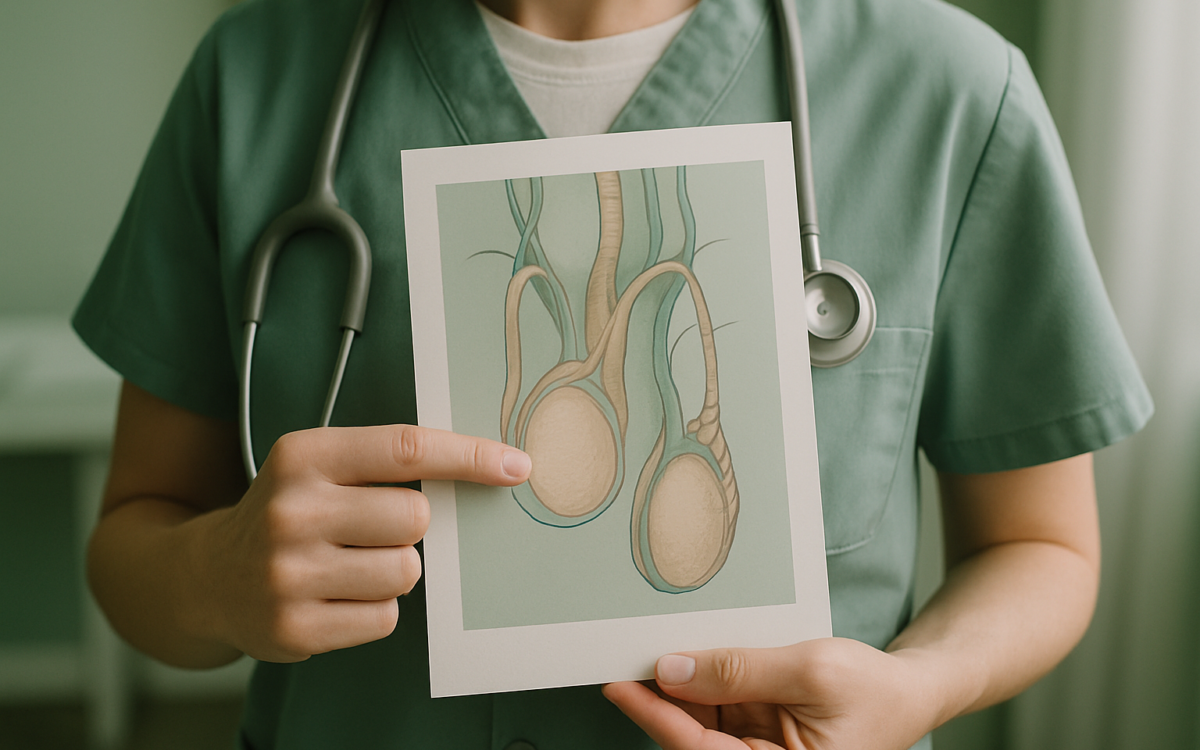
- Testes: In men, approximately 95% of testosterone is produced in the testes, particularly in the Leydig cells. These specialized cells respond to signals from the brain, specifically from the luteinizing hormone produced by the pituitary gland.
- Ovaries and Adrenal Glands: In women, testosterone is produced in smaller amounts by the ovaries and the adrenal glands. The adrenal glands, situated on top of each kidney, also play a role in hormone production for both men and women.
The Role of the Pituitary Gland
The production of testosterone doesn’t only depend on the testes or ovaries; it is a finely tuned process regulated by the pituitary gland. This pea-sized gland at the base of the brain controls various hormonal functions. When the brain senses low levels of testosterone in the body, it releases luteinizing hormone (LH) that signals the testes to produce more testosterone. The process is part of a larger feedback loop involving several hormones and organs.
Factors Influencing Testosterone Production
Several internal and external factors can influence the levels of testosterone produced in the body:
- Age: Testosterone production typically peaks during adolescence and early adulthood, but levels may start to decline in men after age 30.
- Health Conditions: Medical issues like diabetes, obesity, and conditions affecting the endocrine system, such as hypogonadism, can lower testosterone production. Women with polycystic ovary syndrome (PCOS) may also experience increased testosterone levels.
- Lifestyle Factors: Stress, poor diet, lack of exercise, and inadequate sleep can all negatively impact hormone levels, including testosterone.
- Substance Use: Alcohol and drug use, particularly anabolic steroids, can disrupt normal hormone production.
Signs of Imbalanced Testosterone Levels
Having too little or too much testosterone can lead to various health issues. Here are some signs of hormonal imbalance:
Low Testosterone Symptoms:
- Reduced sex drive
- Loss of muscle mass
- Fatigue and lack of energy
- Increased body fat
- Difficulty concentrating
High Testosterone Symptoms:
- Excessive body hair growth
- Aggression or irritability
- Acne and oily skin
- Menstrual irregularities in women
The Importance of Healthy Testosterone Levels
Maintaining healthy testosterone levels is essential for overall well-being. Low levels can lead to conditions like erectile dysfunction and osteoporosis, while excessively high levels might lead to aggression and other health issues. Regular check-ups and conversations with healthcare providers about hormonal health can help individuals maintain balanced hormone levels and address any concerns early.
When to See a Doctor
If you notice persistent changes in mood, energy levels, or physical abilities, it may be time to consult a healthcare provider. Significant symptoms could indicate imbalanced testosterone levels or other underlying health issues. Regular screenings and discussions about hormone health are vital, especially as one ages.
Conclusion
Understanding where testosterone is produced and how it functions within the body is critical for maintaining health. Whether you’re a man or a woman, monitoring hormone levels can aid in supporting overall wellness. Remember, if you have concerns about your hormonal health, do not hesitate to reach out to a medical professional.
