
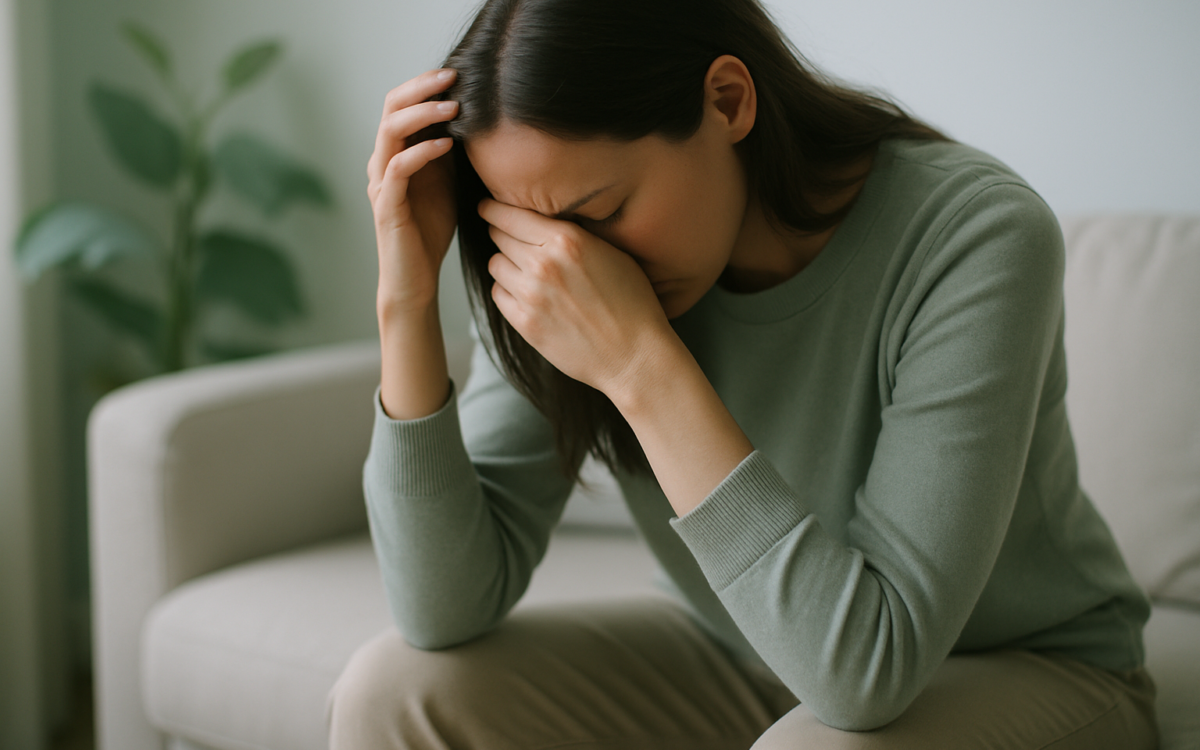
For many people, anxiety can feel like an unending spiral. The initial feelings of unease can evolve into a full-blown panic, leading individuals to experience anxiety about their anxiety. This phenomenon can be challenging to navigate, but understanding the cycle can help in managing symptoms effectively.
What Is Anxiety?
Anxiety is the body’s natural response to stress, and it can manifest in various forms, including generalized anxiety disorder (GAD), social anxiety, and panic disorder. It’s not uncommon to experience anxiety in stressful situations, like before an exam or during a job interview. However, when these feelings become excessive, they can interfere with daily activities and relationships.
The Cycle of Anxiety Causing Anxiety
When someone experiences anxiety, the brain enters a state of hyper-awareness. This heightened state can lead to the following cycle:
- Initial Trigger: A stressful situation arises.
- Anxiety Response: The body responds with heightened feelings of nervousness or fear.
- Escalation: This initial anxiety can then cause a feeling of panic or physical symptoms, such as racing heartbeats or shortness of breath.
- Fear of Future Anxiety: Once this cycle begins, individuals may start to worry about when anxiety will strike again, creating a loop that can be difficult to break.
Understanding that this cycle exists is the first step towards breaking free from its grip.
Recognizing Symptoms
Anxiety manifests differently in everyone. Some common symptoms include:
- Restlessness or difficulty concentrating
- Fatigue
- Muscle tension
- Sleep disturbances
- Rapid heart rate or palpitations
If anxiety starts to feel overwhelming or frequent, it may signal a more significant issue. It’s essential to listen to your body and seek support when needed.
Coping Strategies to Break the Cycle
There are several strategies that can help manage anxiety effectively:
1. Mindfulness and Meditation
Mindfulness practices can help ground your thoughts and reduce anxiety levels. Engaging in meditation can foster a sense of calm and help you focus on the present moment.
2. Physical Activity
Regular physical activity is not just good for your body; it’s also beneficial for your mental health. Exercise releases endorphins, which can help improve your mood and reduce stress.
3. Breathing Techniques
Simple breathing exercises can also alleviate anxiety. Try inhaling deeply for a count of four, holding for four counts, and exhaling for another four counts. Repeat several times until you feel calmer.
4. Connect With Others
Talking to someone you trust about your feelings can provide relief and perspective. Don’t hesitate to reach out to friends or family members; sometimes, just expressing how you feel can help lessen the burden of anxiety.
5. Professional Help
Consulting with a mental health professional can provide you with valuable insights and coping strategies tailored to your needs. Therapies such as cognitive-behavioral therapy (CBT) can be particularly effective in breaking the cycle of anxiety.
The Role of Lifestyle Changes
In addition to the strategies mentioned, certain lifestyle changes can contribute to reducing anxiety:
- Adequate Sleep: Aim to get a good night’s sleep as rest is crucial to mental health.
- Healthy Diet: Eating a balanced diet rich in whole grains, fruits, and vegetables can also enhance mood and energy levels.
- Avoiding Substances: Limit caffeine and alcohol as they can exacerbate anxiety symptoms.
When to See a Doctor
If anxiety is affecting your daily life or causing significant distress, it’s essential to seek professional help. Signs that it may be time to consult a healthcare provider include:
- Persistent feelings of anxiety lasting six months or longer
- Inability to manage anxiety with self-help strategies
- Increased use of alcohol or drugs as a coping mechanism
- Thoughts of harming yourself or others
Remember, seeking help is a sign of strength and an important step towards recovery.
Conclusion
The cycle of anxiety causing anxiety can feel overwhelming, but understanding it is the first step to breaking free. By recognizing symptoms, implementing coping strategies, and making lifestyle changes, you can take control of your mental health. Don’t hesitate to reach out for support when you need it; you are not alone in this journey. For further information on anxiety and mental health, visit resources from NIH or the WHO.
