
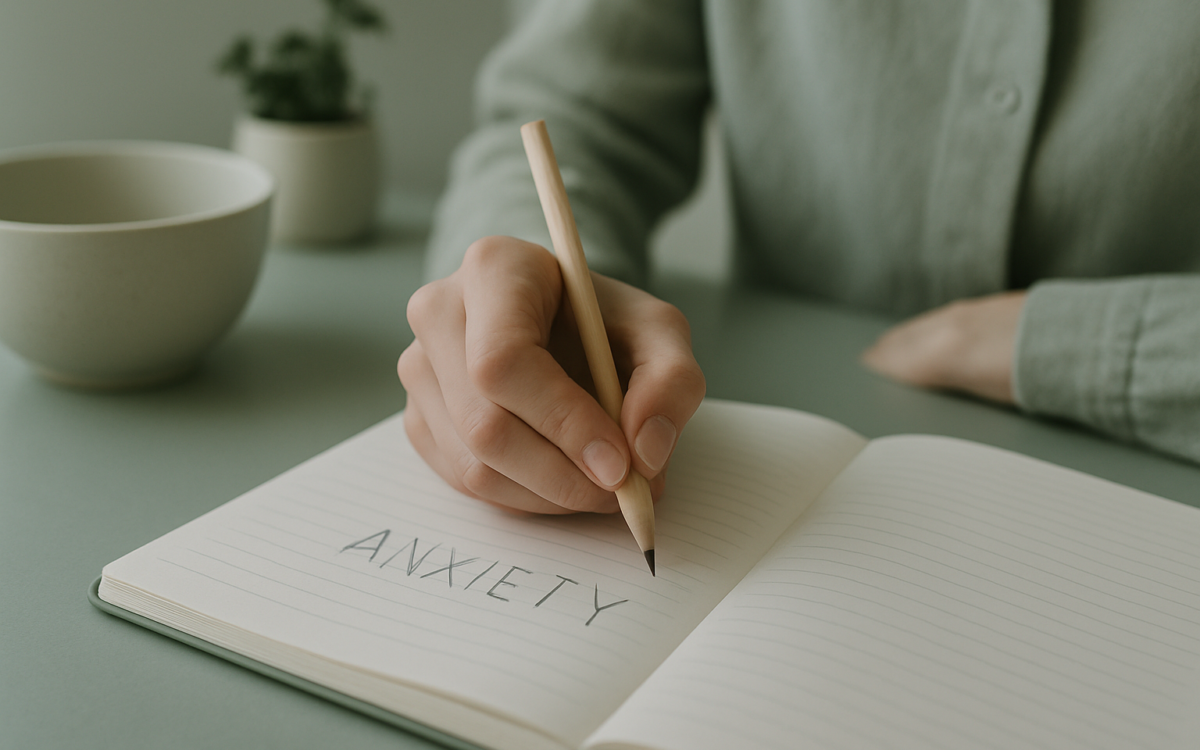
Anxiety is a common experience, yet it can sometimes feel overwhelming and confusing. You might find yourself pondering, “How do you spell anxiety?” The correct spelling is straightforward, but understanding what anxiety truly means is a more complex matter. Anxiety affects millions of people and comes in many forms, but it often leads to feelings of worry, fear, or unease. In this article, we’ll explore the nature of anxiety, its symptoms, possible treatments, and when it’s time to consult a healthcare professional.
What Is Anxiety?
Anxiety is a normal emotional response that everyone experiences from time to time. It can arise in stressful situations, such as before a big test, during a job interview, or when facing a potentially dangerous situation.
When anxiety becomes persistent, excessive, or contagious to a point where it interferes with everyday activities, it can be classified as an anxiety disorder. According to the National Institute of Mental Health, anxiety disorders are the most common mental illnesses in the United States.
Types of Anxiety Disorders
There are several types of anxiety disorders, each with its unique features:
- Generalized Anxiety Disorder (GAD): Characterized by chronic, excessive worry about various aspects of life.
- Social Anxiety Disorder: Involves intense fear of social situations and being judged by others.
- Panic Disorder: Includes recurrent, unexpected panic attacks that can lead to agoraphobia.
- Specific Phobias: An irrational fear of a particular object or situation that leads to avoidance.
- Separation Anxiety Disorder: Primarily affecting children, it involves fear of being separated from parents or caregivers.
Symptoms of Anxiety
Anxiety can manifest in various ways. Common symptoms include:
- Feelings of restlessness or being on edge
- Fatigue or lack of energy
- Difficulty concentrating or mind going blank
- Sleep disturbances such as insomnia
- Rapid heart rate or palpitations
- Sweating or trembling
- Stomach issues like nausea or diarrhea
These symptoms can vary in intensity and frequency. While everyone may experience anxiety differently, recognizing these signs can help in understanding one’s mental health.
How Anxiety Affects Daily Life
Anxiety can significantly disrupt daily life. For some, even ordinary tasks like going to work, attending social gatherings, or engaging in hobbies can become challenging. The lingering feelings of dread might lead to avoiding situations that provoke anxiety, causing isolation and further complicating one’s life.
According to research from the National Center for Biotechnology Information, this avoidance behavior can reinforce anxiety and perpetuate the cycle of fear. It’s crucial to break this cycle to restore a sense of normalcy.
Self-Help Strategies for Managing Anxiety
While it’s advisable to seek professional guidance, several techniques may help manage anxiety on your own:
- Deep Breathing: Practicing deep breathing exercises can help calm the nervous system and reduce anxiety.
- Regular Exercise: Physical activity has been shown to alleviate symptoms of anxiety and improve mood.
- Mindfulness and Meditation: Engaging in mindfulness practices can increase awareness and promote relaxation.
- Limit Stimulants: Reducing caffeine and sugar intake may help decrease anxiety levels.
- Connect with Others: Talking to friends or loved ones can offer support and understanding.
These self-help strategies can serve as valuable tools in managing mild to moderate anxiety. However, they are not substitutes for professional treatment.
When to See a Doctor
If anxiety becomes overwhelming or hinders daily activities, it might be time to consult a healthcare professional. Look out for warning signs such as:
- Persistent feelings of anxiety that last for weeks or months
- Inability to control worry or intrusive thoughts
- Experiencing panic attacks that leave you feeling helpless
- Avoiding situations because of fear or anxiety
- Thoughts of self-harm or suicide
A professional evaluation can provide guidance and treatment as needed. Options may include therapy, medications, or a combination of both. The World Health Organization emphasizes that timely intervention can improve outcomes for individuals with mental health issues.
Conclusion
Anxiety is a broad and often misunderstood topic. While knowing how to spell anxiety might seem trivial, it can lead to deeper conversations about your mental health. The journey through anxiety can vary from one person to another, but understanding your symptoms and how they affect your daily life is the first step toward managing your mental wellness. If you find yourself struggling with anxiety, remember that you are not alone and that medical professionals can assist you on your path to feeling better.
