
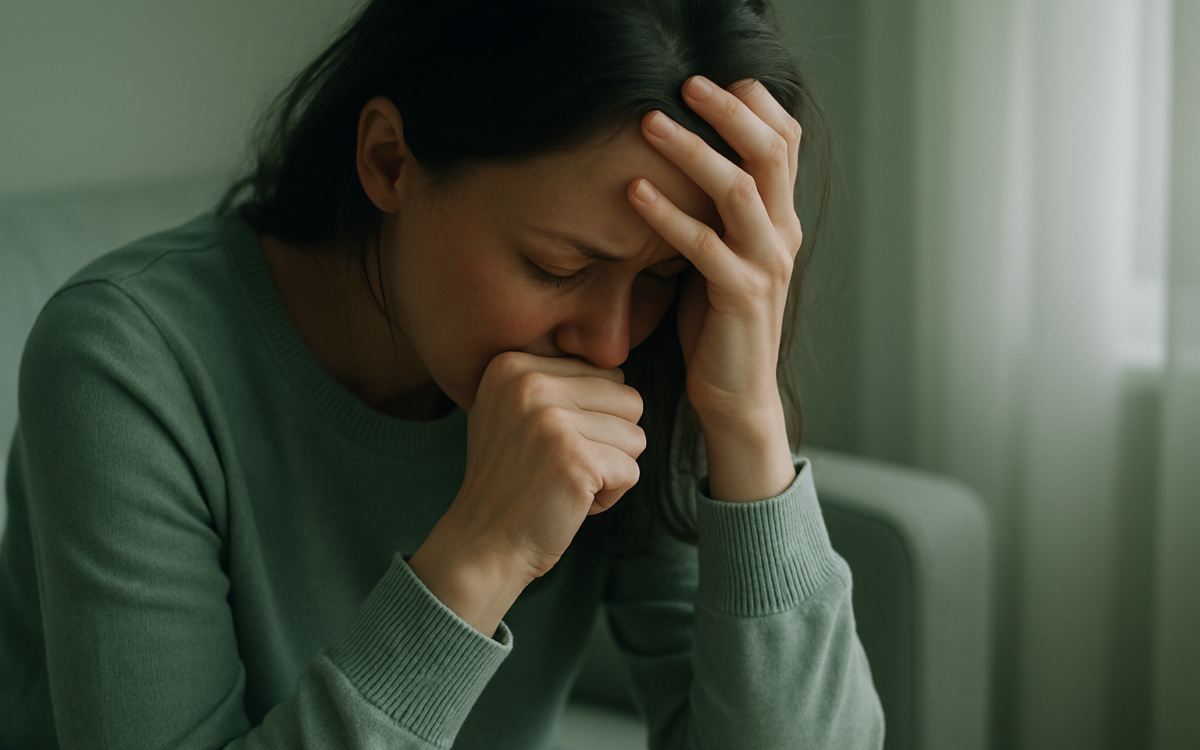
Severe nervousness and anxiety can feel overwhelming, like a storm brewing inside. Many of us encounter anxious moments, whether it’s before a big presentation or a first date. However, when these feelings become intense and persistent, it may point to a deeper issue. Understanding severe nervousness and anxiety is the first step toward regaining control and finding peace.
What is Severe Nervousness and Anxiety?
Severe nervousness often manifests as uncontrolled feelings of apprehension or dread. It’s a kind of anxiety that rises above the normal levels we experience in everyday life, often affecting how we manage daily tasks. According to the National Institutes of Health, anxiety disorders affect about 31.1% of adults in the United States at some point in their lives.
Common Symptoms
Recognizing the symptoms of severe nervousness and anxiety is crucial for proper management. Common signs include:
- Excessive worry about various aspects of life
- Difficulty concentrating or focusing
- Restlessness or feeling on edge
- Physical symptoms such as increased heart rate, sweating, or trembling
- Fatigue and sleep disturbances
In some cases, individuals may also experience panic attacks, which can include heart palpitations, shortness of breath, and chest pain. It’s important to remember that everyone experiences anxiety differently.
Causes of Severe Nervousness and Anxiety
Understanding what causes severe nervousness and anxiety can help individuals address their feelings. Some common factors include:
- Genetics: Family history of anxiety can increase the risk.
- Brain Chemistry: Imbalances in neurotransmitters may contribute to anxiety disorders.
- Environmental Factors: Stressful life events, such as trauma or losing a loved one, can trigger anxiety.
- Health Conditions: Certain medical issues, like hyperthyroidism or heart disorders, can cause or worsen anxiety symptoms.
Coping Strategies for Severe Nervousness and Anxiety
Managing severe nervousness and anxiety requires a combination of approaches. Here are some effective coping strategies:
1. Breathing Techniques
Deep breathing exercises can be a quick way to relieve anxiety. Try inhaling deeply through your nose for a count of four, holding for four, and exhaling slowly through your mouth for another four.
2. Mindfulness and Meditation
Practicing mindfulness helps anchor your thoughts to the present moment. Consider dedicating a few minutes each day to meditation, focusing on your breath or repeating a calming mantra.
3. Physical Activity
Regular exercise can reduce anxiety. Activities like walking, swimming, or yoga release endorphins, our body’s natural stress relievers.
4. Healthy Lifestyle Choices
Maintaining a balanced diet, getting enough sleep, and limiting caffeine and alcohol can significantly impact your mental well-being.
5. Seeking Social Support
Talking to friends, family, or support groups can help alleviate feelings of loneliness and isolation. Sharing your experiences can lighten your emotional load.
Professional Help Options
If coping strategies do not alleviate severe nervousness and anxiety, seeking professional help is essential. Various treatment options include:
- Psychotherapy: Cognitive-behavioral therapy (CBT) has proven effective for anxiety disorders.
- Medications: Antidepressants or anti-anxiety medications may be prescribed by your doctor if necessary.
- Support Groups: Connecting with others facing similar challenges can provide comfort and understanding.
When to See a Doctor
If your anxiety interferes with your daily life or if you find it difficult to cope despite self-help strategies, it may be time to consult a healthcare professional. Warning signs include persistent worry, inability to control anxious thoughts, and developing physical symptoms like chest pain or difficulty breathing.
For more information, consider checking resources from the World Health Organization or the Mayo Clinic.
Conclusion
Severe nervousness and anxiety can feel isolating, but remember that you are not alone. Recognizing the symptoms and understanding their causes is a vital first step toward alleviating these feelings. Through a combination of self-help strategies and professional guidance, you can cultivate a life that feels less burdened by anxiety and more filled with peace.
