
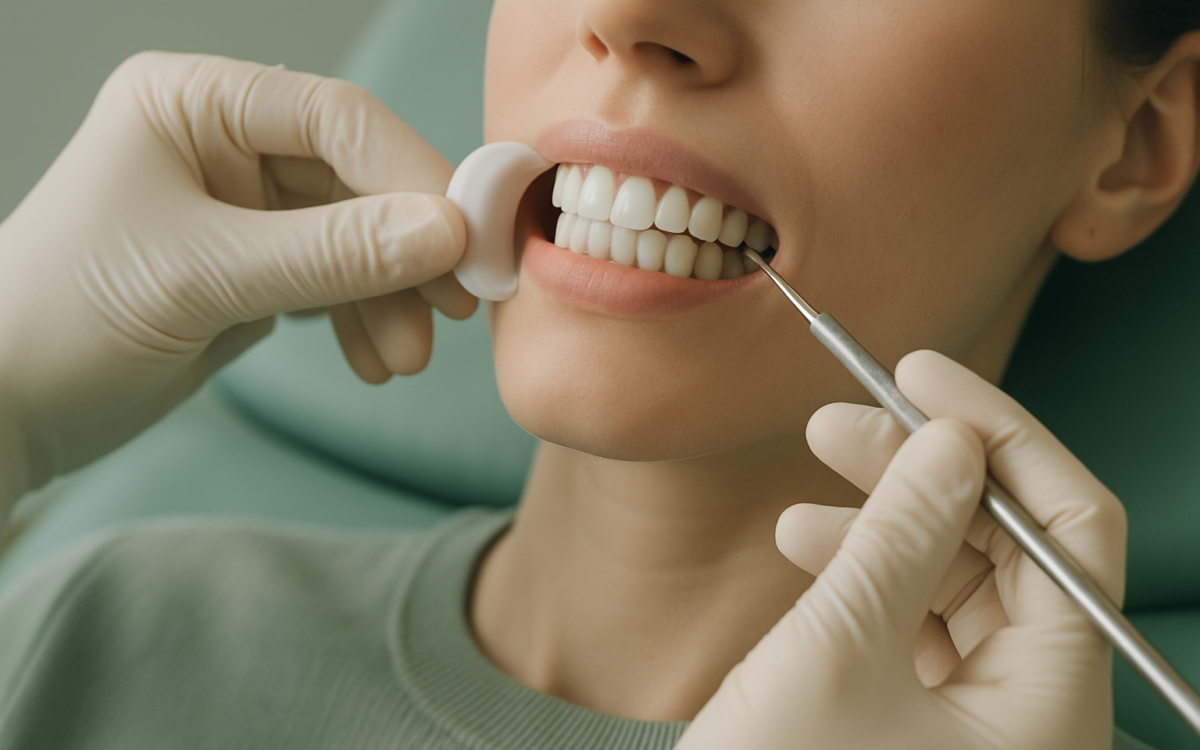
Many of us dream of a brighter, whiter smile. When we talk about a “whiter definition,” we are often referring to the clarity, brightness, and overall aesthetics of our teeth. But what does that really mean, and how do we achieve this definition? In this article, we will delve into the different aspects of dental whiteness and explore safe methods to enhance our smiles.
The Science of Tooth Color
Teeth can appear discolored for several reasons. Their color is influenced by a combination of factors including genetics, age, diet, and oral hygiene habits. The natural color of teeth can range from off-white to yellowish hues.
The Role of Enamel
To understand the whiter definition, it’s crucial to know about tooth enamel, the outer layer of our teeth. Enamel is a hard, protective shell that can become eroded over time due to acids from food, drinks, and even bacterial plaque.
- White enamel: Healthy enamel is a smooth, white color.
- Stained enamel: Enamel that has been compromised can develop colors due to staining from foods like coffee, tea, and berries.
- Thinning enamel: As enamel thins with age or erosion, the underlying dentin, which can appear yellow, becomes more visible.
Common Causes of Tooth Discoloration
Several factors can contribute to the color of our teeth. Some of the most common causes include:
- Diet: Foods and drinks like red wine, coffee, and cola can stain teeth over time.
- Tobacco use: Smoking or chewing tobacco can lead to significant stains.
- Medications: Certain medications, including tetracycline and some antihistamines, can lead to discoloration.
Dental Treatments for Whiter Teeth
If you’re looking to achieve that whiter definition, several options are available to help you:
1. Professional Whitening
Dental professionals offer bleaching treatments that can lighten teeth significantly, often several shades. These treatments can be more effective than over-the-counter products.
2. At-Home Whitening Kits
While less potent than professional options, at-home kits can provide noticeable results. Many include trays and whitening gel that you apply at home over a period.
3. Whitening Toothpastes
These toothpastes contain gentle abrasives to help remove surface stains. While they won’t change the inherent color of your teeth, they can contribute to the overall appearance of whiteness.
Maintaining Your Smile
Once you’ve achieved that desired whiter definition, maintaining it is crucial. Here are some tips to keep your teeth looking their best:
- Good oral hygiene: Brush twice a day with fluoride toothpaste and floss daily.
- Regular dental visits: Professional cleanings can preserve the brightness of your smile.
- Limit stain-causing foods: Reducing the intake of foods and drinks that stain can help keep your teeth whiter.
Risks and Precautions
While seeking a whiter definition for your smile, it’s important to approach whitening methods cautiously. Overuse of whitening products can lead to:
- Sensitivity: Some people may experience increased tooth sensitivity or gum irritation.
- Uneven whitening: Improper use can result in uneven color.
- Damage to enamel: Overuse of abrasive products can harm enamel—which we know is crucial for that bright white appearance.
When to See a Doctor
If you experience persistent discoloration that doesn’t improve with home care or whitening products, or if you have any pain or sensitivity when consuming hot or cold substances, it might be time to consult your dentist. They can help determine if there is an underlying issue affecting the color of your teeth or recommend appropriate treatments.
For more information on maintaining oral health and choices available for teeth whitening, consider visiting reputable sources like the Mayo Clinic or the National Institutes of Health.
In conclusion, achieving that elusive whiter definition for your teeth involves understanding the factors that influence tooth color and choosing the right methods for enhancement. By maintaining good oral hygiene and consulting a dental professional, you can enjoy a radiant smile for years to come.
