
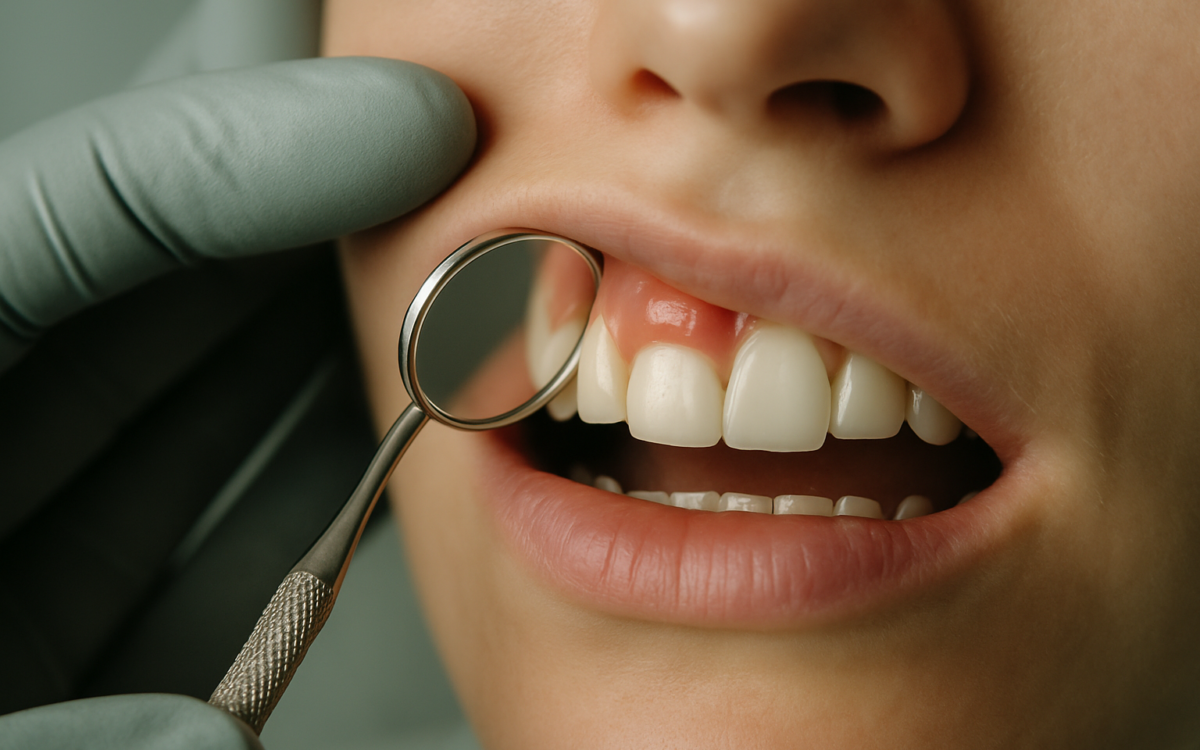
Swollen gums around a tooth can be both uncomfortable and alarming. They can make simple tasks like eating and speaking painful, and they often signal that something is amiss in your oral health. Understanding the potential causes and knowing how to address them is key to maintaining your overall dental hygiene. In this article, we will explore the common reasons for swollen gums and what steps you can take to ensure a healthy smile.
What Causes Swollen Gums?
Swollen gums can result from a variety of factors. Here are some of the most common causes:
- Gingivitis: This mild form of gum disease occurs due to plaque buildup on teeth. It leads to inflammation, causing gums to swell, bleed, and become tender.
- Periodontitis: A more severe form of gum disease that develops if gingivitis is left untreated. It can lead to tooth loss and other health issues.
- Infection: Dental abscesses and other infections can cause swelling as the body reacts to fight the bacteria involved.
- Allergic reactions: Some people may experience gum swelling due to allergies, including those caused by certain dental products or food.
- Hormonal changes: Fluctuations in hormones during pregnancy or menstruation can cause gums to become more sensitive and swollen.
Symptoms Associated with Swollen Gums
Swollen gums can present with various symptoms, which may include:
- Redness and inflammation
- Pain or tenderness in the gums
- Bleeding when brushing or flossing
- Bad breath
- Loose teeth if left untreated
Recognizing these symptoms early can aid in prompt treatment, potentially avoiding more severe complications.
Home Care and Prevention Strategies
Taking good care of your mouth can go a long way in preventing swollen gums. Here are a few practical steps:
- Brush and floss regularly: Maintain a consistent oral hygiene routine by brushing your teeth at least twice a day and flossing daily.
- Use fluoride toothpaste: This helps protect your teeth and gums from decay and the effects of plaque.
- Rinse with antiseptic mouthwash: This can help reduce plaque buildup and keep gum inflammation in check.
- Stay hydrated: Drinking plenty of water can help wash away food particles and bacteria that contribute to gum problems.
- Limit sugary foods: A diet high in sugars can promote dental plaque and gum disease.
When to Seek Professional Help
While some cases of swollen gums can be addressed at home, there are times when professional help is necessary. Consider scheduling a visit to your dentist if you experience:
- Persistent swelling lasting more than a few days
- Severe pain or discomfort
- Swelling accompanied by fever or swollen lymph nodes
- Any changes in your bite or loose teeth
A dental professional can provide a thorough examination and recommend appropriate treatments. It’s also important for ongoing dental check-ups every six months for early detection of any issues.
Understanding Treatment Options
Treatment for swollen gums will depend on the underlying cause. Here are a few common options:
- Professional cleaning: Your dentist may suggest a deep cleaning to remove plaque and tartar that regular brushing cannot.
- Medications: If an infection is present, antibiotics or antiseptic mouthwash may be prescribed to control bacteria.
- Adjustments to dental work: If your gums are reacting negatively to dental appliances (like braces or dentures), adjustments may be necessary.
- Oral surgery: In severe cases of periodontitis, surgical intervention might be needed to restore the health of your gums.
Staying informed about your oral health can help you take preventative actions and communicate effectively with your dentist about any concerns.
Living with Swollen Gums: Long-Term Care
Swollen gums can often be managed with proper care and precaution, but vigilance is crucial. Developing good dental habits early on can greatly reduce the risk of complications in the future. Make regular dental appointments part of your health routine. It’s essential to treat swollen gums seriously, as they can be indicative of more significant health issues.
Conclusion
Swollen gums around a tooth can serve as an important signal from your body regarding your oral health. With proper care and attention, many causes of swollen gums can be addressed at home. However, don’t hesitate to seek professional guidance when needed. Your dental health contributes significantly not just to your oral comfort but also to your overall health. For further information about gum issues, you can consult resources from the CDC and the Mayo Clinic.
