
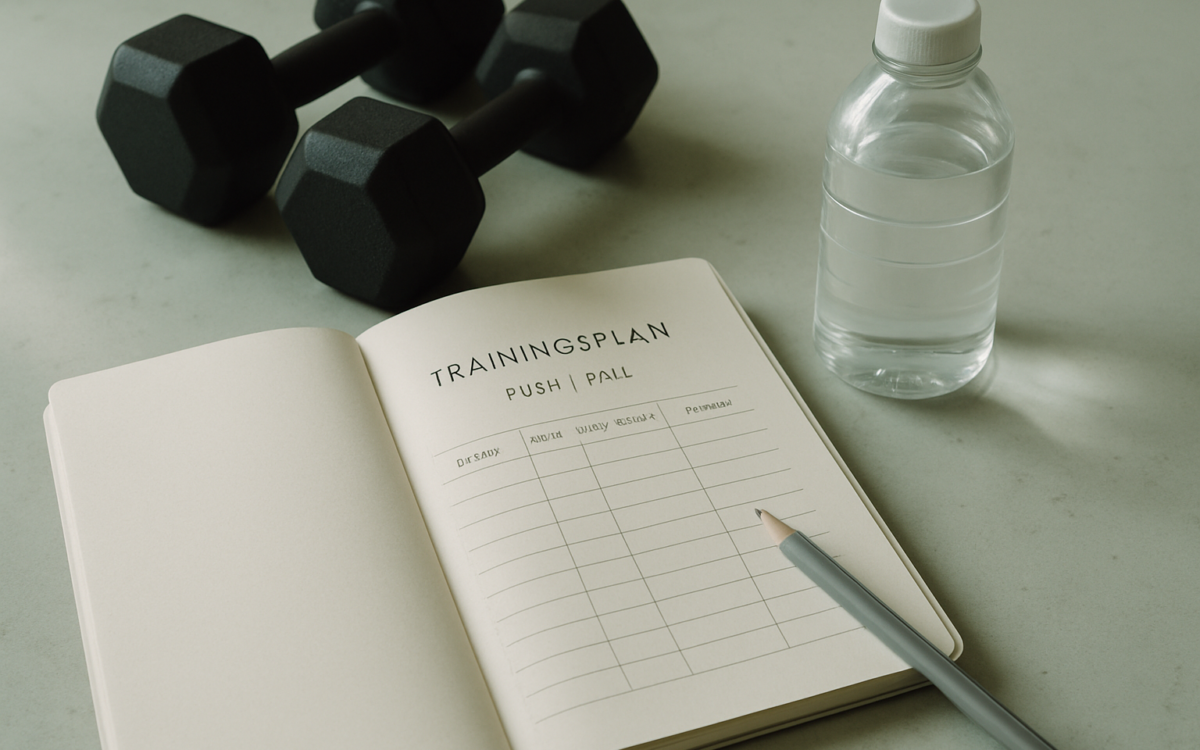
In the world of fitness, structure is key. A well-structured training plan not only helps you stay motivated but also optimizes your results. One effective method gaining popularity is the push-pull training plan. Whether you’re a beginner or an experienced gym-goer, understanding this approach can help you achieve your fitness goals. Let’s explore what a push-pull training plan is, its benefits, and how you can create your own.
What is a Push-Pull Training Plan?
A push-pull training plan is a workout routine that divides exercises into two main categories: pushing movements and pulling movements. This training system is designed to work different muscle groups effectively while allowing for proper recovery.
Understanding Pushing and Pulling Exercises
Pushing exercises involve movements where you push weights away from your body. These typically target muscles like the chest, shoulders, and triceps. Examples include:
- Bench Press
- Shoulder Press
- Push-Ups
- Tricep Dips
On the other hand, pulling exercises involve pulling weights towards your body, focusing on muscles such as the back and biceps. Examples include:
- Pull-Ups
- Barbell Rows
- Bicep Curls
- Deadlifts
By alternating between push and pull days, you allow different muscle groups to rest and recover while ensuring a balanced workout.
Benefits of a Push-Pull Training Plan
Implementing a push-pull training plan comes with several benefits:
- Muscle Balance: It promotes a well-rounded physique by ensuring all major muscle groups are engaged.
- Injury Prevention: Allows adequate recovery time for each muscle group, reducing the risk of overtraining.
- Flexibility: You can customize the plan based on your schedule, fitness level, and specific goals.
- Time Efficiency: You can effectively split your workouts, saving time while still maximizing gains.
Overall, this training style helps achieve a balanced strength, improving performance and longevity in workouts.
Creating Your Own Push-Pull Training Plan
Designing a push-pull training plan requires understanding your own fitness level, goals, and the time you can commit. Here’s a simple guide to get you started:
1. Determine Your Schedule
Decide how many days a week you want to work out. A common approach is a three or four-day split, where you alternate push and pull workouts.
2. Select Your Exercises
Choose a mix of exercises for push and pull days. A sample week could look like this:
- Day 1 (Push): Bench Press, Overhead Press, Push-Ups, Tricep Dips
- Day 2 (Pull): Pull-Ups, Bent-Over Rows, Bicep Curls, Deadlifts
- Day 3 (Rest/Active Recovery)
- Day 4 (Push): Incline Bench Press, Dumbbell Shoulder Press, Lateral Raises
- Day 5 (Pull): Chin-Ups, Seated Rows, Hammer Curls
3. Monitor Your Progress
Keep track of your workouts, noting which weights you are using and any changes in strength or endurance. Adjust your exercises, sets, and reps as you progress to ensure continued improvement.
Common Mistakes to Avoid
When implementing a push-pull training plan, it’s vital to avoid common pitfalls that can hinder your success:
- Skipping Recovery Days: Rest is crucial for muscle recovery and growth. Be sure to incorporate rest days into your routine.
- Neglecting Form: Always prioritize proper form over lifting heavier weights to prevent injuries.
- Overtraining: Listen to your body. If you feel fatigue or soreness, take a break or reduce your intensity.
Making these mistakes can set back your progress, so keep them in mind as you develop your routine.
Who Can Benefit from a Push-Pull Training Plan?
A push-pull training plan is suitable for:
- Beginners: It provides a straightforward structure to learn proper lifting techniques.
- Intermediate Gym-Goers: It offers enough variety to challenge your strength and keep workouts exciting.
- Advanced Lifters: It can be adapted to incorporate advanced techniques like supersets and dropsets for added intensity.
This flexible routine accommodates any fitness level, making it a popular choice among fitness enthusiasts.
When to See a Doctor
If you experience significant pain, persistent fatigue, or any other health concerns while working out, consult with a healthcare provider. They can assess your individual health status and advise you on the best course of action.
Conclusion
A push-pull training plan is an effective way to structure your workouts while promoting muscle balance and preventing injuries. By understanding the fundamentals, creating a routine that suits your goals, and avoiding common mistakes, you can enhance your strength and overall fitness. Remember, any new exercise regimen should be discussed with your doctor, especially if you have existing health conditions. Enjoy the journey of better health!
