
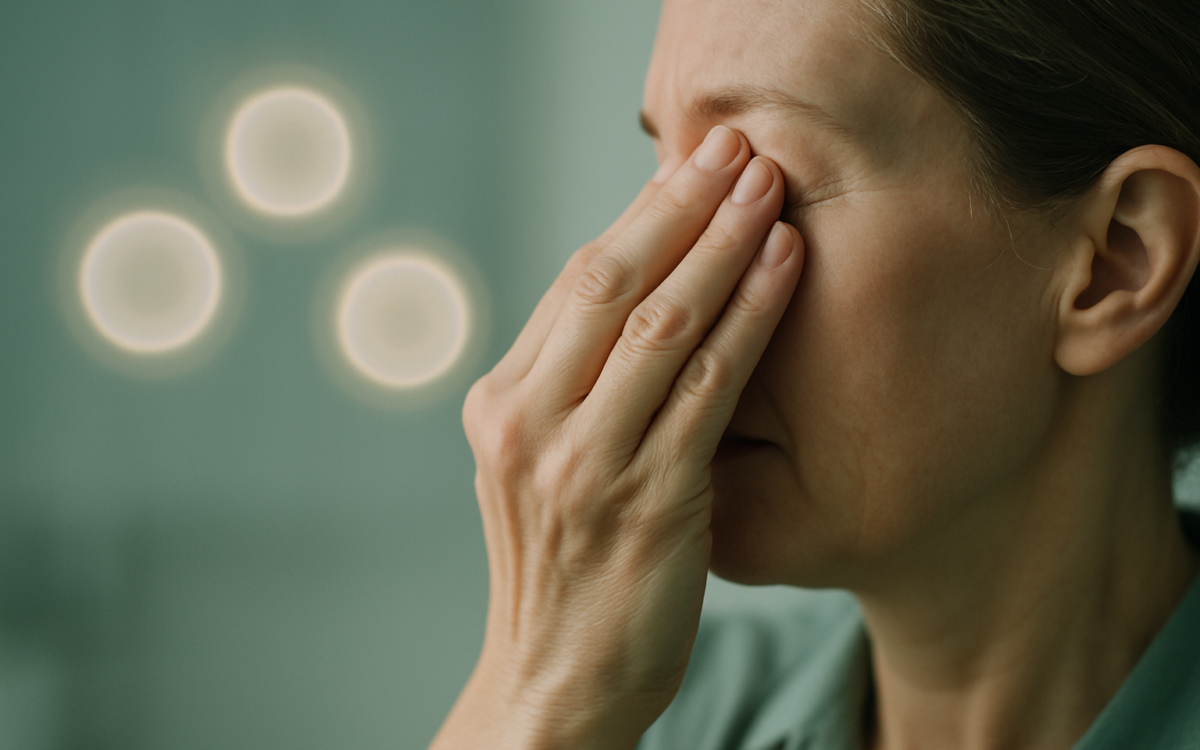
Many people have experienced seeing halos around lights at some point in their lives, especially during night driving or in low-light situations. While this phenomenon can sometimes be harmless, it may also indicate an underlying eye condition that requires attention. In this article, we will explore the causes of halos around lights, when they may pose a concern, and steps you can take to maintain your eye health.
What Are Halos Around Lights?
Halos are circles or rings that appear around bright light sources, such as streetlights or car headlights. This visual phenomenon often becomes more noticeable in dim lighting conditions. People may describe halos as a colored or white ring that makes the lights appear blurry or surrounded by a glowing effect.
The Science Behind Halos
Halos occur due to the way light interacts with structures in the eye. When light enters the eye, it passes through the cornea and lens before reaching the retina. If there are any irregularities in these structures, or if they become cloudy or distorted, it can scatter light, leading to halos. Understanding the eye’s anatomy can clarify why certain conditions might cause this effect.
Common Causes of Halos
- Refractive Errors: Conditions like myopia (nearsightedness) or hyperopia (farsightedness) can cause halos. When the eye’s shape is not perfect, light may not focus properly on the retina, leading to blurry images and halos around lights. For more information about refractive errors, you can check the NIH.
- Cataracts: A cataract is a clouding of the eye’s lens that typically occurs with aging. This condition can lead to a halo effect, particularly at night, as light scatters when it passes through the cloudy lens. The Mayo Clinic explains how cataracts can develop gradually and affect vision over time.
- Glaucoma: Some patients with glaucoma may experience halos due to increased pressure within the eye. The pressure can damage the optic nerve and affect vision, including the way light is perceived.
- Corneal Edema: This condition occurs when the cornea becomes swollen with fluid, often as a result of injury, surgery, or certain eye diseases. The swelling can disrupt the clarity of the cornea, causing halos and blurry vision.
- Dry Eye Syndrome: A lack of adequate lubrication on the eye surface can also lead to light distortion, resulting in halos. This is often exacerbated in certain environmental conditions or with extended screen time.
Other Possible Factors
Halos can sometimes be caused by non-ocular factors as well. For example, certain medications or even the effects of alcohol can affect vision temporarily, leading to halos. Additionally, migraine sufferers may experience visual disturbances that resemble halos as part of their aura phase.
When to See a Doctor
While halos around lights can be harmless for some individuals, it’s important to consult a healthcare professional if you notice any significant changes. These can include:
- A sudden onset of halos or other visual disturbances.
- Accompanying symptoms such as eye pain, redness, or significant vision loss.
- A persistent issue that affects your daily life or ability to perform tasks.
Visiting an eye care professional is key to diagnosing and addressing any underlying conditions. Regular eye check-ups are crucial, especially as you age or if you have a family history of eye diseases.
Preventative Measures for Eye Health
Maintaining healthy eyes and vision can help minimize the occurrence of halos and other visual disturbances. Here are some useful tips:
- Routine Eye Exams: Regular visits to an eye care professional can help catch any issues early. Aim for an eye exam at least every two years, or as recommended by your doctor.
- Protect Your Eyes: Wearing sunglasses with UV protection can help shield your eyes from harmful sunlight, which may contribute to cataracts over time.
- Manage Health Conditions: Conditions like diabetes and hypertension can have significant effects on your eyes. Keeping these under control through lifestyle changes and medication can help preserve your vision.
- Screen Time Management: If you spend long hours in front of screens, take regular breaks to prevent eye strain. The 20-20-20 rule is helpful: every 20 minutes, look at something 20 feet away for at least 20 seconds.
- Healthy Diet: Eat a diet rich in fruits, vegetables, and omega-3 fatty acids to support eye health. Foods high in antioxidants, such as leafy greens and carrots, are beneficial.
Conclusion
Halos around lights can be a common visual experience, often related to minor factors or natural refractive errors. However, understanding the potential causes—including cataracts, glaucoma, and other eye conditions—is essential in ensuring that your eye health remains a priority. If you notice persistent halos or any troubling visual symptoms, be sure to consult with a healthcare professional to discuss your concerns and possible next steps.
