
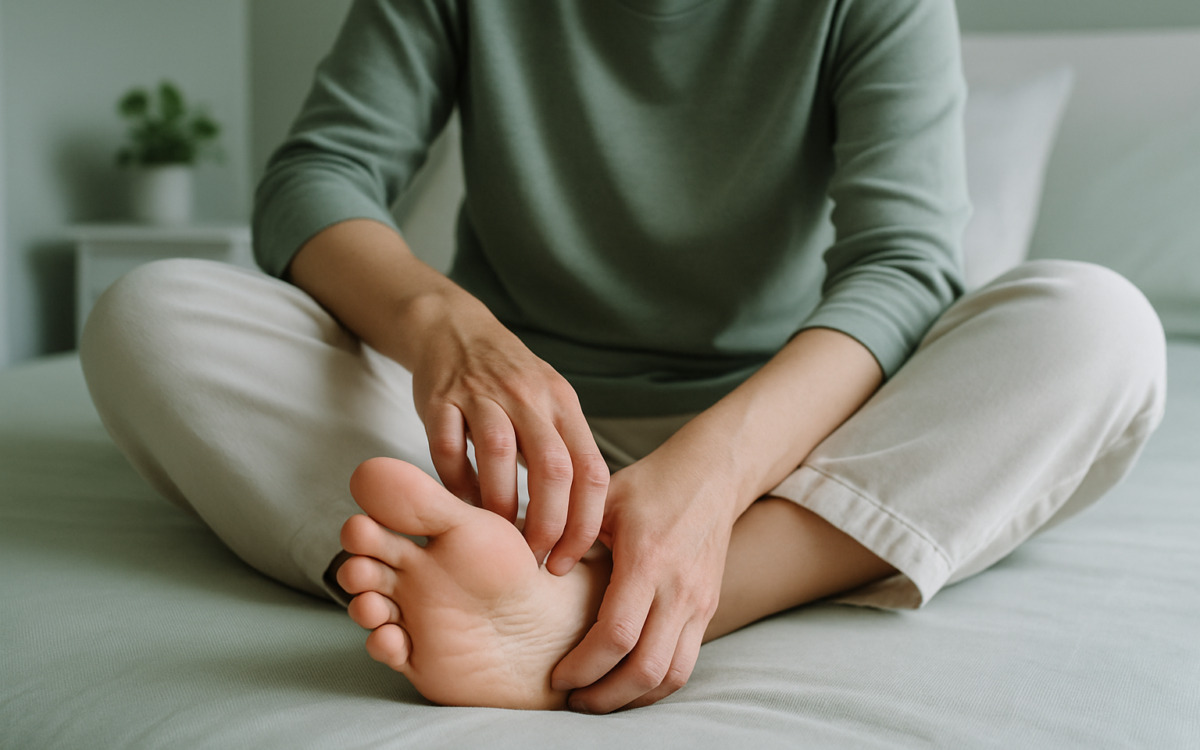
If you’ve ever found yourself scratching your feet uncontrollably, you’re not alone. Itchy feet can be annoying and sometimes even embarrassing. This sensation can arise from a variety of causes, ranging from simple irritations to more complex skin conditions. Understanding the reasons behind foot itch can help you find the right approach to relief and prevention.
Common Causes of Itchy Feet
Itching is a way for your body to signal a problem. Here are some of the most common causes of itchy feet:
- Dry Skin: This is one of the most prevalent reasons for itchy feet. Environmental factors, such as dry air or harsh soaps, can strip moisture from your skin, leading to itchiness.
- Allergic Reactions: Contact dermatitis, a rash caused by skin contact with allergens, can result in itchy feet. Common culprits include certain fabrics, soaps, or lotions.
- Fungal Infections: Athlete’s foot is a common fungal infection that thrives in damp, warm environments. It usually causes intense itching, peeling, and sometimes a burning sensation between the toes or on the soles.
- Skin Conditions: Other skin conditions, such as eczema or psoriasis, can also lead to itchy feet. These conditions can cause inflammation, redness, and intense itching.
- Systemic Issues: Occasionally, an underlying health issue, such as diabetes or liver problems, can lead to generalized itching, including on the feet.
Dry Skin: A Closer Look
Dry skin can be exacerbated by various factors, including cold weather, low humidity, and frequent washing. When your skin loses moisture, it can become tight, flaky, and itchy.
To help ease dry skin, try using a humidifier in your home, limit long showers, and apply a good-quality moisturizer regularly. Pay special attention to apply lotion after bathing to lock in moisture.
Allergic Responses
When your skin comes into contact with an allergen, your body responds by releasing chemicals like histamines. This reaction can lead to itching, redness, and swelling.
Identifying potential allergens in your environment is crucial. Consider whether you’ve changed soaps, detergents, or even footwear recently. If you suspect an allergy, try to avoid the irritant and consider consulting a healthcare professional for testing.
Fungal Infections: Athlete’s Foot
Athlete’s foot is an infection caused by a group of fungi found in warm and moist areas. This infection is essential to recognize and treat, as it can spread easily and become more severe if left unattended.
The symptoms of athlete’s foot include:
- Itching and burning, especially between the toes
- Red, peeling skin
- Blisters that may ooze
Over-the-counter antifungal creams are generally effective for treating athlete’s foot. Maintaining good foot hygiene and keeping your feet dry are vital for preventing a recurrence.
Skin Conditions: Eczema and Psoriasis
Conditions like eczema and psoriasis can also cause itchy feet. Eczema is often characterized by dry, red patches of skin that can crack and become infected. Psoriasis leads to red patches covered with thick, silvery scales.
Both issues may require different interventions, including topical treatments or systemic medications. Keep an eye on your symptoms and seek advice from a healthcare professional if you suspect you have either condition.
When to Consult a Doctor
If your itchy feet persist for more than a few days or are accompanied by other symptoms, such as swelling, blistering, or severe pain, it may be time to see a healthcare provider. They can help diagnose the underlying cause and suggest appropriate treatments.
Relief Options
In addition to identifying the cause, several strategies can help relieve itching:
- Cool Compress: Applying a cool, damp cloth to your feet can provide immediate relief.
- Over-the-Counter Treatments: Antihistamines may help if the itching is due to an allergic reaction, while hydrocortisone creams can alleviate inflammation.
- Foot Soaks: Soaking your feet in cool water with baking soda or oatmeal can soothe irritated skin.
- Moisturizers: Using a fragrance-free moisturizer can help combat dryness, especially after bathing.
Preventative Measures
There are several steps you can take to prevent itchy feet in the first place:
- Keep your feet clean and dry. Make sure to dry between your toes thoroughly after bathing.
- Wear breathable footwear, and consider changing your socks often, especially if they’re damp.
- Avoid harsh soaps and detergents that can irritate your skin.
- Avoid going barefoot in public areas to reduce the risk of fungal infections.
Conclusion
Foot itch can arise from a variety of causes, each requiring different approaches for relief and prevention. By being aware of the common triggers and adopting some simple hygiene practices, you can significantly reduce your risk of itchy feet. However, if symptoms persist or worsen, consulting a healthcare professional is always a wise choice. For more information, you can access reliable resources from the NIH or the Mayo Clinic.
