
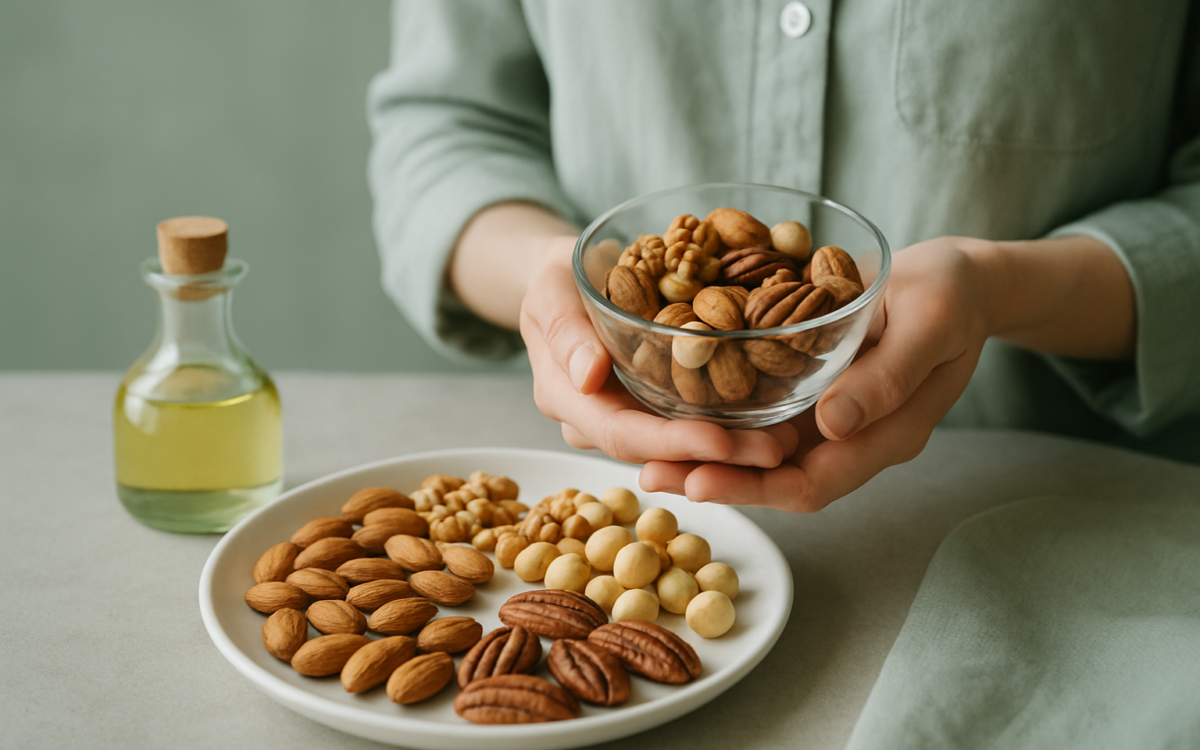
Low Carb High Fat (LCHF) diets have gained popularity for their potential to support weight loss and improve overall health. While many focus on meat and dairy, nuts are often overlooked. Packed with nutrients, they can be a crunchy and satisfying addition to your meal plan. Let’s explore the role that nuts play in a LCHF diet, their benefits, and how to include them effectively.
Understanding LCHF Diets
The Low Carb High Fat diet emphasizes reducing carbohydrate intake while increasing dietary fat. Typically, this means steering clear of sugary foods, grains, and starchy vegetables. Instead, the focus shifts to protein and fats, including avocados, cheese, and yes, nuts.
Nuts are mostly low in carbohydrates and high in healthy fats, making them fit perfectly into this dietary approach. However, it’s crucial to be mindful of portion sizes, as nuts can also be calorie-dense.
What Nutrients Do Nuts Provide?
Nuts are nutrient powerhouses. Here’s a quick look at what they offer:
- Healthy Fats: Most nuts are high in unsaturated fats, which can promote heart health.
- Protein: They provide a moderate amount of protein, essential for muscle repair and satiety.
- Fiber: Many nuts contain significant fiber, aiding digestion and promoting fullness.
- Vitamins and Minerals: Nuts are rich in vitamins E and B, magnesium, potassium, and calcium, contributing to overall health.
While nuts fit well into the LCHF lifestyle, some have specific attributes that make them particularly suited for this diet.
Best Nuts for LCHF Diets
Here are some of the best options for those following an LCHF diet:
- Almonds: These nuts are great sources of vitamin E, magnesium, and fiber.
- Walnuts: Rich in omega-3 fatty acids, they support brain and heart health.
- Pecans: These nuts are low in carbs and high in healthy monounsaturated fats.
- Brazil Nuts: Known for their high selenium content, they contribute to thyroid health.
- Macadamia Nuts: These have the highest fat content, making them excellent for LCHF diets.
Each nut variety has unique benefits, so including a range in your diet can help maximize your nutritional intake.
Incorporating Nuts into Your Meals
Integrating nuts into your LCHF diet can be both easy and delicious. Here are a few ideas for how to enjoy them:
- Snacking: Munch on a small handful of nuts as a quick snack. Just be mindful of portions!
- Salads: Add crushed nuts to salads for crunch and added nutrients.
- Nut Butters: Spread almond or peanut butter on celery for a satisfying snack.
- Cooking: Use nuts in cooking and baking, such as in pesto or as a topping for roasted vegetables.
For those exploring international nut dishes or seeking innovative ways to incorporate nuts into their meals, there are also opportunities for treatment in Turkey that may provide unique culinary experiences that highlight nuts.
Potential Downsides of Nuts
While nuts offer various health benefits, moderation is key. Here are some points to consider:
- Caloric Density: Nuts are high in calories, so keep your servings small to avoid excessive calorie intake.
- Allergies: Some individuals may have nut allergies, which can cause severe reactions.
- Oxalates: Certain nuts, like cashews, contain oxalates, which can contribute to kidney stones in susceptible individuals.
Balancing your nut intake while being mindful of these factors allows you to enjoy these nutritious snacks within guidelines that suit your lifestyle.
Final Thoughts on LCHF Nuts
Incorporating nuts into your Low Carb High Fat diet can be a tasty and healthy choice. They provide essential nutrients while keeping your carbohydrate intake in check. With many varieties to choose from, you can easily find options that fit your taste preferences and health goals.
As always, it is wise to consult with a healthcare professional or nutritionist to ensure your diet meets your individual health needs. By blending variety, moderation, and informed decision-making, nuts can be a delightful part of your LCHF culinary journey.
When to See a Doctor
If you experience any adverse reactions when eating nuts, such as swelling, difficulty breathing, or digestive discomfort, it’s important to consult a healthcare professional. Additionally, if you have any specific dietary concerns or health conditions, discussing your diet with your doctor can help ensure it’s right for you.
