
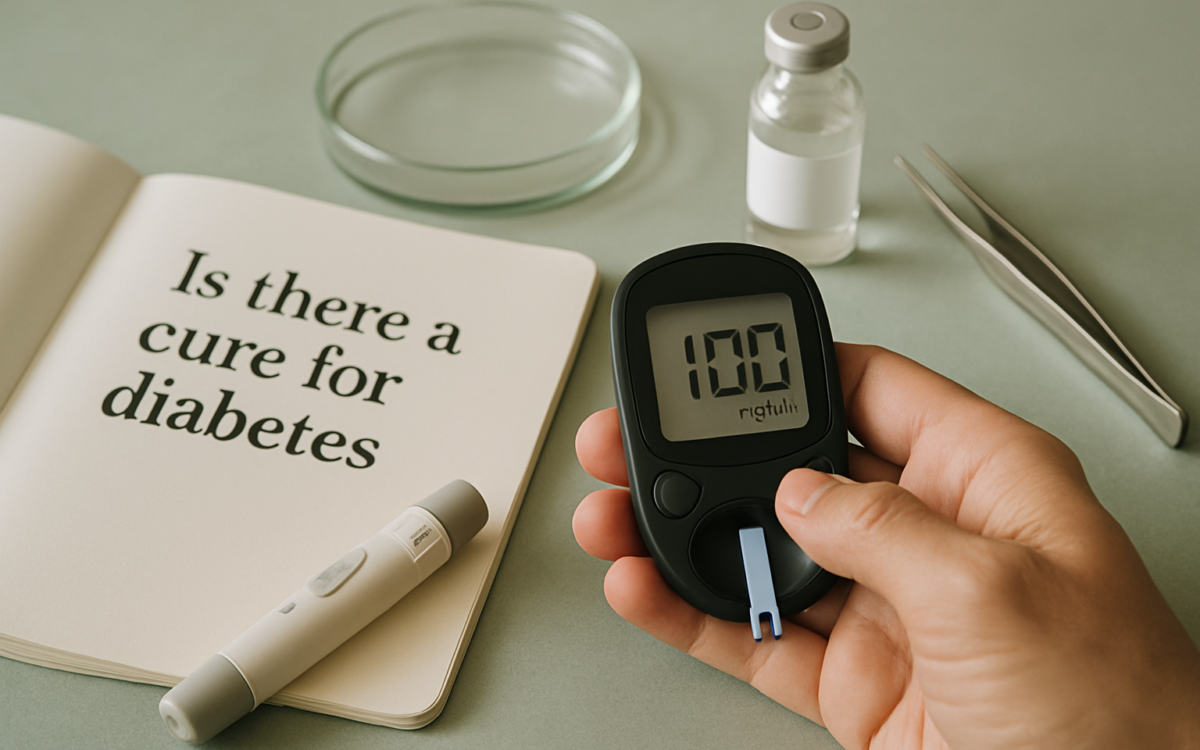
Diabetes is a complex health condition that affects millions of people worldwide. With its increasing prevalence, it’s no surprise that many individuals and their families wonder: is there a cure for diabetes? To understand this question, we need to explore what diabetes is, its types, and the available treatments.
What Is Diabetes?
Diabetes is a condition that occurs when the body cannot properly regulate blood sugar, also known as glucose. Glucose is our body’s primary energy source, and it comes from the food we eat. Insulin, a hormone produced by the pancreas, helps transport glucose into our cells. When insulin is either not produced adequately or not used effectively, it leads to elevated blood sugar levels.
The Different Types of Diabetes
There are several types of diabetes, but the two most common are Type 1 and Type 2 diabetes.
- Type 1 Diabetes: This type usually develops in children and young adults. It occurs when the immune system mistakenly attacks the insulin-producing cells in the pancreas. People with Type 1 diabetes need to take insulin every day to survive.
- Type 2 Diabetes: This is the more common form of diabetes, often linked to obesity and inactivity. In Type 2 diabetes, the body either becomes resistant to insulin or doesn’t produce enough insulin. Lifestyle changes and medications can help manage blood sugar levels.
Is There a Cure for Diabetes?
As of now, there is no definitive cure for diabetes, but there are effective ways to manage it. Researchers and healthcare professionals are constantly exploring new avenues.
For Type 1 diabetes, current treatments focus on insulin management and lifestyle changes. While there has been promising research involving beta cell transplantation and immunotherapy, these are still largely experimental and not widely available.
For Type 2 diabetes, achieving normal blood sugar levels usually involves lifestyle modifications—such as a balanced diet, regular physical activity, and maintaining a healthy weight—along with medications when necessary. In some cases, significant and sustained weight loss can lead to remission, meaning blood sugar levels can return to normal without the need for medication. Some studies indicate that certain surgical weight-loss procedures may completely eliminate the symptoms of Type 2 diabetes in eligible candidates.
Managing Diabetes Effectively
While not a cure, effective management is key to living a full and healthy life with diabetes. Here are some strategies:
- Food Choices: Eating a balanced diet rich in whole foods, such as vegetables, lean proteins, and whole grains, can help regulate blood sugar levels.
- Regular Exercise: Physical activity increases insulin sensitivity, which helps lower blood sugar levels.
- Monitoring Blood Sugar: Regular glucose monitoring will help you understand how your body reacts to various foods and activities.
- Education: Learning about diabetes management can empower patients to take control of their condition. Many diabetes education programs are available through healthcare providers.
Furthermore, patients can explore international treatment options. For instance, acibademinternational.com offers various innovative treatments that may not be available everywhere, enhancing management strategies for diabetes.
Emerging Research and Future Directions
The quest for a cure for diabetes continues in research laboratories around the world. Several exciting avenues are being explored:
- Gene Therapy: Researchers are investigating the possibilities of gene therapy to regenerate insulin-producing cells or to modify the immune response.
- Artificial Pancreas: This technology automatically monitors and manages blood sugar levels, mimicking healthy pancreas function, which can greatly reduce the burden of daily diabetes management.
- Stem Cell Research: Scientists are looking into stem cells that could potentially regenerate insulin-producing beta cells in the pancreas.
Though these solutions are not yet available, advancements provide hope for future treatment options.
Living with Diabetes
Being diagnosed with diabetes can be overwhelming, but understanding the condition and its management can significantly improve quality of life. Building a support network of family, friends, and healthcare providers plays a crucial role in navigating daily challenges.
Staying informed about your condition and actively participating in your treatment plan can also make a positive difference. Regular check-ups, monitoring your health, and communicating with your healthcare team will empower you to manage your diabetes effectively.
When to See a Doctor
If you experience symptoms such as frequent urination, increased thirst, extreme fatigue, or blurred vision, it’s crucial to consult a healthcare provider. Additionally, if you have diabetes and notice changes in how your body feels or functions, seeking medical advice is essential.
While there is currently no cure for diabetes, effective management and ongoing research offer hope. By staying informed, maintaining healthy habits, and collaborating with your healthcare team, you can lead a fulfilling life while managing diabetes.
