
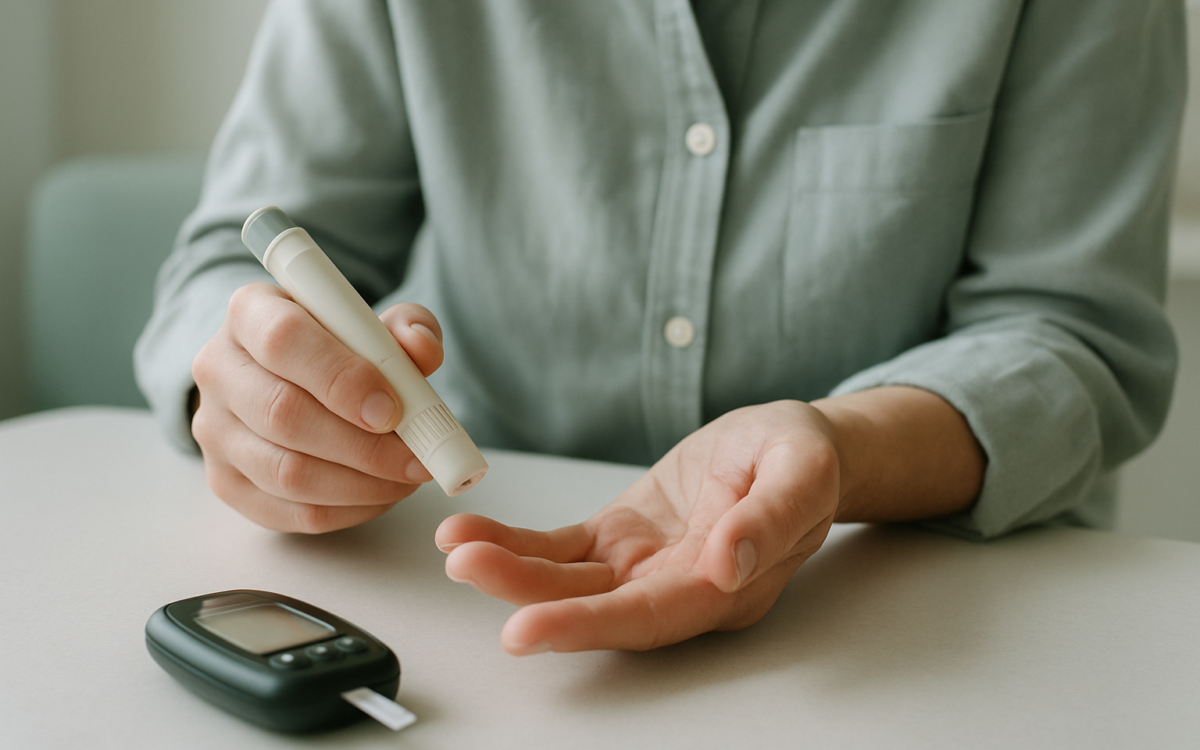
Type 2 diabetes mellitus (T2DM) is a chronic health condition that affects how your body processes blood sugar (glucose). Unlike Type 1 diabetes, where the body doesn’t produce insulin, those with T2DM often have insulin resistance, meaning their bodies don’t use insulin effectively. This can lead to high blood sugar levels, which over time can result in serious health issues. Understanding T2DM is crucial for management and overall health.
What Causes Type 2 Diabetes?
The exact cause of T2DM is not completely understood, but several factors contribute to its development. Key risk factors include:
- Genetics: A family history of diabetes increases risk.
- Obesity: Excess body fat, especially around the abdomen, is a major risk factor.
- Physical inactivity: Lack of exercise can lead to weight gain and increased blood sugar levels.
- Age: The risk increases with age, especially after 45.
- Unhealthy eating habits: Diets high in sugars and fats can lead to weight gain and insulin resistance.
For further reading about the causes, visit the NIH.
Recognizing the Symptoms of T2DM
Many people with T2DM may not notice symptoms at first. When symptoms do occur, they can include:
- Increased thirst
- Frequent urination
- Fatigue
- Blurred vision
- Slow-healing sores or frequent infections
Recognizing these symptoms is key to early diagnosis and treatment. If you experience these signs, consider discussing them with your healthcare provider.
Testing and Diagnosis
If you suspect you might have T2DM, your doctor may recommend several tests to diagnose your condition:
- Fasting blood sugar test: Measures blood sugar after an overnight fast.
- A1C test: Provides an average blood sugar level over the past 2 to 3 months.
- Oral glucose tolerance test: Measures blood sugar before and after drinking a sugary beverage.
A diagnosis can help you develop a management plan to keep blood sugar levels in check.
Managing Type 2 Diabetes
Managing T2DM is essential to prevent complications. Here are some strategies:
Healthy Eating
Adopting a balanced diet can help control blood sugar levels. Focus on:
- Whole grains
- Fruits and vegetables
- Lean proteins
- Healthy fats
Limit refined sugars, processed foods, and saturated fats.
Regular Physical Activity
Incorporating physical activity into your routine can lower blood sugar levels and improve insulin sensitivity. Aim for at least 150 minutes of moderate exercise each week. Activities such as walking, cycling, or swimming can be beneficial.
Medication
Some people with T2DM may need medications to help manage their blood sugar levels. This can include oral medications or insulin injections, depending on your doctor’s recommendations.
Monitoring Blood Sugar Levels
Regularly checking your blood sugar levels is vital. Monitoring helps you understand how your body responds to various foods and activities, enabling better management of your condition.
Possible Complications of T2DM
If T2DM is left unmanaged, it can lead to serious health complications, such as:
- Heart disease
- Stroke
- Nerve damage
- Kidney damage
- Vision problems, including blindness
Being aware of these risks can reinforce the importance of managing your condition effectively. For more information on diabetes complications, refer to the CDC.
When to See a Doctor
If you suspect you have T2DM or if you are experiencing related symptoms, it’s crucial to consult a healthcare professional. Early diagnosis and management can help prevent serious complications and ensure a healthier future.
Conclusion
Understanding Type 2 diabetes mellitus is the first step toward effective management and a healthier lifestyle. By recognizing the symptoms, understanding the causes, and implementing management strategies, you can take control of your health. Education and awareness are key; always consult your healthcare provider for advice tailored to your needs.
