
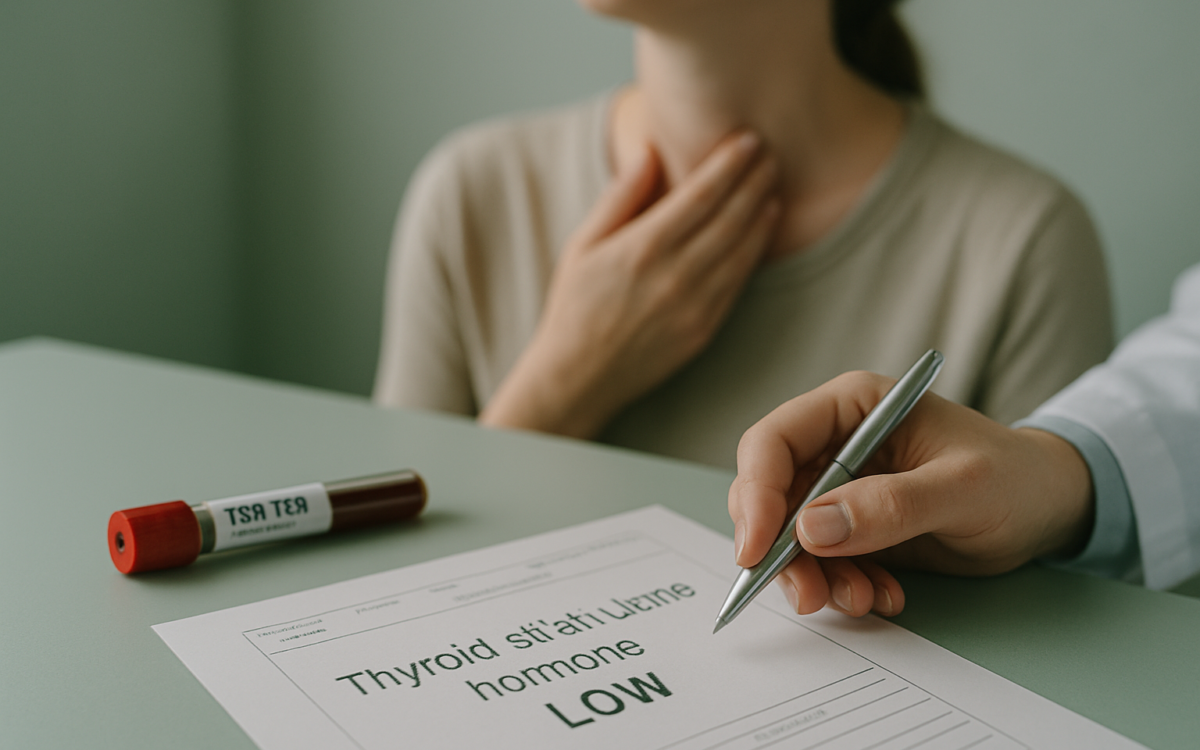
Thyroid stimulating hormone (TSH) plays a crucial role in regulating your body’s metabolism, energy levels, and overall hormone balance. When TSH levels are low, it can indicate a variety of conditions that may affect your health. Understanding what low TSH means and how it can impact your body is essential for maintaining optimal well-being.
What Is Thyroid Stimulating Hormone (TSH)?
Thyroid stimulating hormone is produced by the pituitary gland, which is located at the base of your brain. TSH stimulates the thyroid gland to produce two important hormones: thyroxine (T4) and triiodothyronine (T3). These hormones regulate your metabolism, body temperature, and various other bodily functions. When there is an imbalance in these hormones, it can significantly affect your health.
Causes of Low TSH Levels
Low TSH levels can be caused by several factors, including:
- Hyperthyroidism: This condition occurs when the thyroid gland is overactive and produces too much T4 and T3. As a result, the pituitary gland reduces TSH production to maintain balance.
- Pituitary Disorders: Conditions affecting the pituitary gland, such as tumors or inflammation, can lead to insufficient TSH production.
- Treatment Impact: Patients undergoing treatment for thyroid disorders, such as taking anti-thyroid medications or thyroid hormone replacement therapies, may also experience low TSH levels.
- Thyroid Hormone Resistance: In some rare cases, the body’s tissues may not respond to thyroid hormones properly, leading to low TSH levels despite elevated hormone production.
Symptoms of Low TSH
While low TSH itself may not present symptoms, the underlying conditions that cause it can lead to noticeable changes in how you feel. Symptoms may include:
- Increased heart rate: A racing heart can be a sign of excessive thyroid hormones in the body.
- Weight loss: Unexplained weight loss can occur as your metabolism speeds up.
- Heat intolerance: Individuals may feel unusually warm or experience excessive sweating.
- Nervousness or anxiety: People with hyperthyroidism often report feelings of anxiety or agitation.
- Fatigue: Despite having increased energy, individuals may feel fatigued and have trouble sleeping.
How Is Low TSH Diagnosed?
To determine whether TSH levels are low, your doctor will conduct a blood test. This test measures the levels of TSH, T4, and T3 in your bloodstream. In some cases, additional tests might be needed to assess thyroid function and pinpoint the exact cause of low TSH levels. These might include:
- Thyroid Antibody Tests: These tests check for autoimmune conditions like Graves’ disease that can lead to hyperthyroidism.
- Imaging Tests: In some cases, imaging tests like ultrasound or radioactive iodine uptake scans may be used to evaluate the thyroid gland’s structure and function.
What Does Low TSH Mean for Your Health?
Low TSH levels often indicate hyperthyroidism or an overactive thyroid. If left untreated, hyperthyroidism can lead to serious health problems, including:
- Heart Issues: Prolonged hyperthyroidism can lead to heart palpitations and an increased risk of heart disease.
- Bone Loss: An overactive thyroid can reduce bone density, increasing the risk of fractures.
- Thyroid Storm: This is a rare but life-threatening condition that can occur if hyperthyroidism goes uncontrolled.
It’s important to note that if you have low TSH levels, it does not automatically mean you have hyperthyroidism. Further investigation is necessary to understand the underlying cause fully.
Managing Low TSH Levels
Management of low TSH levels depends on the underlying cause. If hyperthyroidism is diagnosed, treatment options may include:
- Medications: Anti-thyroid medications can help reduce the amount of hormone your thyroid produces.
- Radioactive Iodine Therapy: This treatment destroys overactive thyroid cells, helping to normalize hormone levels.
- Thyroid Surgery: In some cases, surgical removal of all or part of the thyroid gland may be necessary.
Regular monitoring of TSH and thyroid hormone levels is crucial in managing thyroid disorders. Always make sure to follow your doctor’s recommendations and attend any scheduled check-ups.
When to See a Doctor
If you suspect you have symptoms of an overactive thyroid or have received a diagnosis of low TSH levels, it’s essential to consult a healthcare provider. Regular monitoring and proper management can help prevent long-term complications and improve your quality of life. Even if you don’t experience symptoms, routine blood tests can help detect thyroid issues early on, allowing for timely intervention.
In conclusion, low thyroid stimulating hormone levels can signify various health issues, most commonly hyperthyroidism. Understanding the implications of low TSH and knowing when to seek help can empower you to take charge of your thyroid health. Always consult your healthcare provider for tailored advice and treatment options.
