
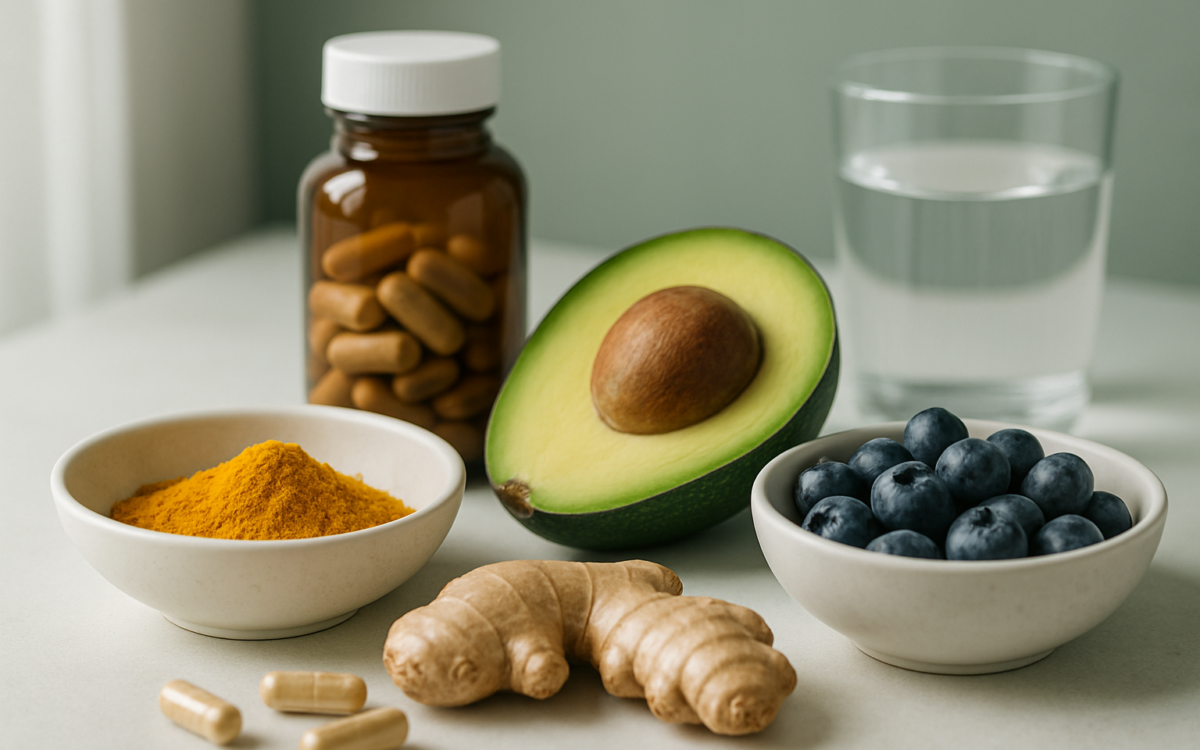
Inflammation is the body’s natural response to injury or infection, but when it becomes chronic, it can lead to various health issues, including heart disease, diabetes, and arthritis. Understanding how to manage inflammation through your diet and lifestyle is essential for long-term health. In this article, we will explore the best anti-inflammatory foods and habits that may help reduce inflammation and enhance your overall well-being.
What is Inflammation?
Inflammation occurs when the body’s immune system responds to harmful stimuli like pathogens, damaged cells, or irritants. Acute inflammation is typically beneficial, helping the body heal and fight off infections. However, chronic inflammation can be harmful, leading to various health issues.
The Role of Diet in Inflammation
Your diet plays a significant role in either promoting or reducing inflammation. Certain foods contain compounds that can suppress inflammatory processes, while others may trigger or worsen it. It’s vital to focus on a balance of nutrient-rich foods to keep inflammation at bay.
Best Anti-Inflammatory Foods
- Fruits and Vegetables: Colorful fruits and vegetables like berries, kale, and spinach are rich in antioxidants that help neutralize free radicals. Incorporate a variety of colors to maximize their benefits.
- Fatty Fish: Fish like salmon, mackerel, and sardines are loaded with omega-3 fatty acids, known for their anti-inflammatory properties. Aim to include fatty fish in your meals at least twice a week.
- Nuts and Seeds: Walnuts, almonds, flaxseeds, and chia seeds are great sources of healthy fats and antioxidants. They can help reduce inflammation when consumed regularly.
- Whole Grains: Foods like brown rice, quinoa, and oats contain fiber and nutrients that can help manage inflammation. Choose whole grains over refined options.
- Herbs and Spices: Turmeric and ginger are well-known for their anti-inflammatory effects. Add these spices to your dishes for a flavor boost and potential health benefits.
Lifestyle Changes to Reduce Inflammation
Beyond diet, certain lifestyle choices can help in managing inflammation. Incorporating regular physical activity, practicing stress management techniques, and getting adequate sleep are all important in reducing inflammation.
Exercise
Regular exercise can lower inflammation levels. Aim for at least 150 minutes of moderate aerobic activity or 75 minutes of vigorous activity each week. Activities like walking, swimming, and cycling are excellent choices.
Stress Management
Chronic stress may lead to increased inflammation in the body. Techniques such as yoga, meditation, and deep-breathing exercises are effective in managing stress and can contribute to lowering inflammation.
Sleep Quality
Quality sleep is crucial for overall health and inflammation management. Aim for 7-9 hours of good sleep per night. Improving your sleep habits by establishing a regular sleep schedule and creating a restful environment can help.
Foods to Avoid
Just as there are foods that can help control inflammation, some can worsen the situation. Reducing your intake of processed foods, refined sugars, and trans fats is essential for managing inflammation.
- Sugary Foods and Drinks: High sugar intake is linked to increased inflammation. Limit candies, sodas, and baked goods that contain excessive sugars.
- Processed Meat: Foods like bacon, sausage, and hot dogs can elevate inflammation levels. Opt for lean protein sources instead.
- Refined Carbohydrates: White bread, pastries, and other refined carbs can contribute to inflammation. Choose whole grain alternatives when possible.
When to See a Doctor
If you experience chronic inflammation symptoms such as joint pain, fatigue, or persistent rashes, consult a healthcare provider. They can help determine any underlying conditions and recommend appropriate treatment options. Tracking your diet and lifestyle changes can also be beneficial in managing these symptoms.
Conclusion
Managing inflammation through a well-rounded diet and healthy lifestyle choices can have significant benefits for your overall well-being. By incorporating a variety of anti-inflammatory foods and committing to positive lifestyle changes, you can help reduce chronic inflammation. Remember that everyone’s body responds differently, so it’s important to consult with your healthcare provider before making any significant changes to your diet or lifestyle. Together, you can create a plan that works best for your unique health needs.
