
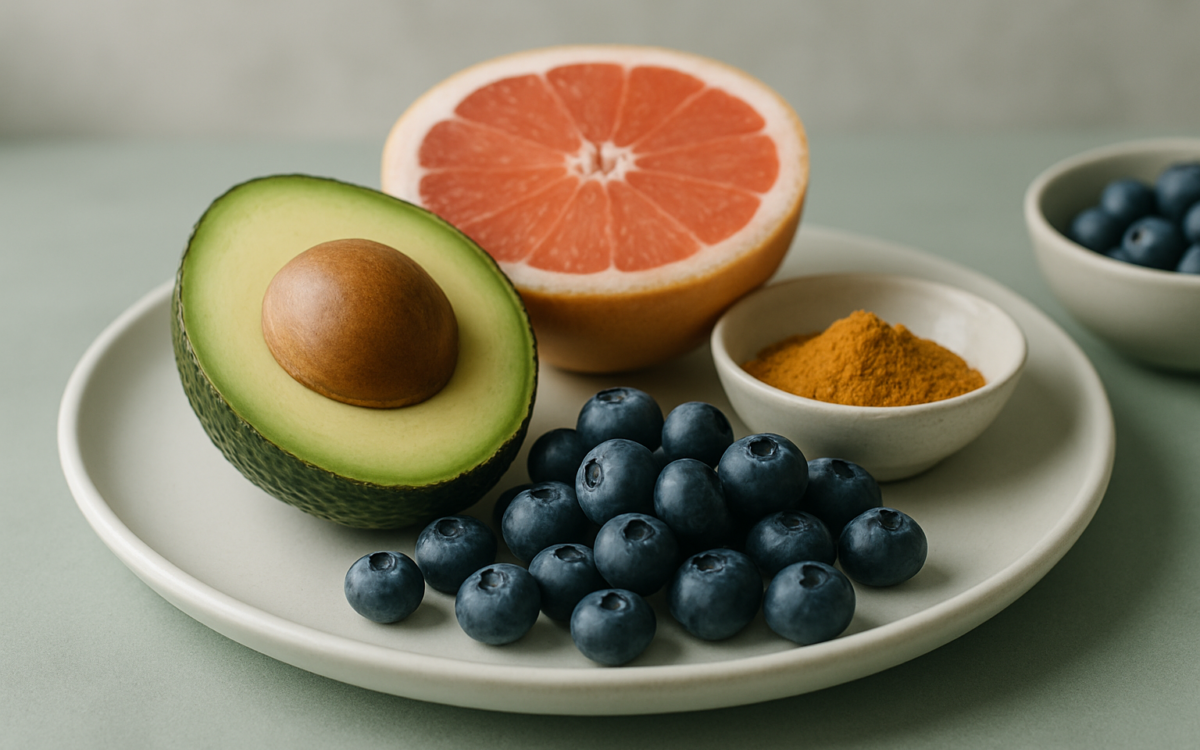
In today’s health-focused world, many people are becoming more aware of the effects of inflammation on their bodies. Chronic inflammation can lead to various health issues, including heart disease, diabetes, arthritis, and even some cancers. Luckily, nature provides us with an array of delicious fruits that can help combat inflammation. In this article, we will explore the best anti-inflammatory fruits and how they can benefit your health.
Why Focus on Anti-inflammatory Foods?
Inflammation is a natural response by your immune system to injury or infection. However, when inflammation becomes chronic, it can be harmful to your health. Consuming foods that fight inflammation can promote better health and well-being. According to a study published by the National Institutes of Health (NIH), certain foods, especially fruits, can have a significant impact on reducing oxidative stress and inflammation in the body.
Top Anti-inflammatory Fruits to Include in Your Diet
1. Berries
Berries, such as blueberries, strawberries, raspberries, and blackberries, are loaded with antioxidants called flavonoids. These compounds have been shown to reduce inflammation and lower the risk of chronic diseases. A study published in the American Journal of Clinical Nutrition indicated that regular consumption of berries can lead to reduced markers of inflammation in the body.
2. Cherries
Cherries, particularly tart cherries, are another excellent choice for fighting inflammation. They contain anthocyanins, which can help lower inflammatory markers. A study showed that participants who consumed tart cherry juice experienced reduced muscle soreness and inflammation after exercise. Whether fresh, frozen, or in juice form, adding cherries to your diet may provide therapeutic benefits.
3. Oranges
Oranges and other citrus fruits are rich in vitamin C, which is not only essential for immune function but also has anti-inflammatory properties. A study in the Journal of Nutrition suggested that vitamin C can help reduce inflammatory markers. Including oranges in your diet can be as simple as enjoying them as a snack or adding fresh squeezed orange juice to your breakfast.
4. Pineapple
Pineapple contains bromelain, an enzyme known for its anti-inflammatory properties. Research indicates that bromelain can help reduce inflammation and improve recovery times for injuries. Incorporating pineapple into smoothies, fruit salads, or eating it fresh can provide a tasty way to reap its benefits.
5. Apples
Apples are not only convenient snacks but are also rich in fiber and quercetin, an antioxidant that has anti-inflammatory effects. Regular consumption of apples is associated with a lower risk of chronic diseases, as observed in various studies published by the National Library of Medicine.
Other Fruits to Consider
While we’ve covered some of the stars in the anti-inflammatory fruit category, several other fruits can also play a role:
- Grapes: Contain resveratrol which may have anti-inflammatory effects.
- Pomegranates: Packed with antioxidants that can reduce inflammation and oxidative stress.
- Avocados: Although typically categorized as a fat, they are fruit with anti-inflammatory benefits.
Tips for Incorporating Anti-inflammatory Fruits into Your Diet
Adding anti-inflammatory fruits to your meals doesn’t have to be complicated. Here are some simple tips:
- Start your day with a smoothie loaded with berries, spinach, and a banana.
- Enjoy an apple with a nut butter spread for a healthy snack.
- Include a fruit salad at lunch or as a refreshing dessert.
- Top your oatmeal or yogurt with slices of orange or pomegranate seeds.
When to See a Doctor
If you experience persistent discomfort, pain, or signs of inflammation, it’s important to consult your doctor. They can help determine the cause and guide you on the best course of action. A balanced diet complemented by professional advice can be essential in managing your overall health.
Conclusion
Incorporating anti-inflammatory fruits into your diet is a delicious and powerful way to support your health. In addition to their anti-inflammatory properties, these fruits are also packed with essential nutrients that can enhance your overall well-being. Remember, a balanced diet, rich in various colors and types of fruits, combined with a healthy lifestyle, can help you manage inflammation effectively. So, the next time you’re in the grocery store, consider adding these amazing fruits to your cart!
