
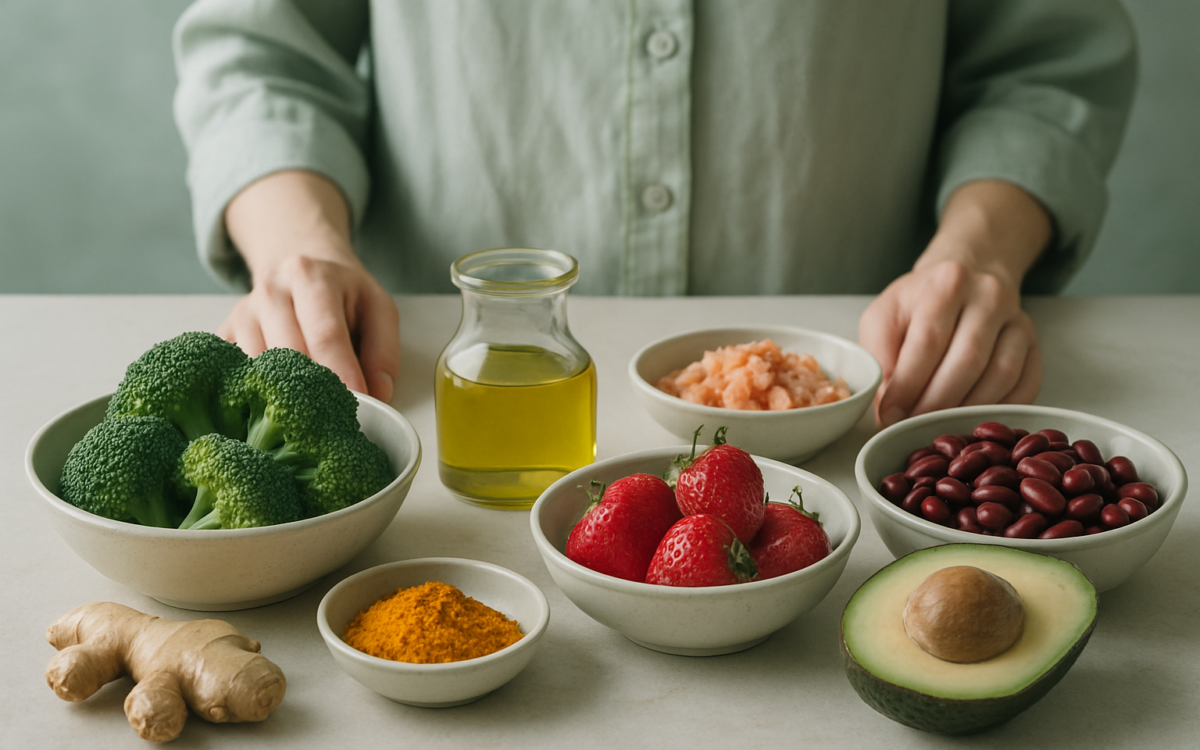
Inflammation is a natural response of the body’s immune system, but when it becomes chronic, it can lead to various health issues like heart disease, diabetes, and even certain cancers. Fortunately, the food you eat can either contribute to or help reduce inflammation. By incorporating the right ingredients into your diet, you can support your health and lower your risk of these chronic conditions. In this article, we will explore some top foods that fight inflammation and how they can nourish your body.
1. Fatty Fish: Powerhouses of Omega-3 Fatty Acids
Fatty fish like salmon, mackerel, sardines, and trout are rich in omega-3 fatty acids. These healthy fats have powerful anti-inflammatory properties and can help reduce levels of inflammatory markers in the body. The American Heart Association recommends eating fish at least twice a week to support heart health and reduce inflammation (source: American Heart Association).
2. Leafy Greens: Nature’s Anti-Inflammatory Champions
Leafy greens such as spinach, kale, and Swiss chard are packed with vitamins, minerals, and antioxidants. They contain high concentrations of flavonoids and other phytonutrients that help combat inflammation. A study published in the Journal of Nutrition showed that regularly consuming leafy greens can lower inflammatory markers in the body (source: Journal of Nutrition).
3. Berries: Sweet and Powerful Protectors
Berries, including blueberries, strawberries, and raspberries, are rich in antioxidants known as polyphenols. These compounds help reduce oxidative stress and inflammation. Research has shown that a diet rich in berries can improve heart health and lower cancer risk (source: NIH).
Ideas for Enjoying Berries:
- Add them to your morning oatmeal or yogurt.
- Blend them into smoothies for a refreshing treat.
- Use them in salads for a sweet, colorful addition.
4. Nuts and Seeds: Nutrient-Dense Inflammation Fighters
Nuts and seeds, such as almonds, walnuts, flaxseeds, and chia seeds, are excellent sources of healthy fats and fiber. They are also rich in vitamin E, which has anti-inflammatory properties. Regular consumption of nuts and seeds has been linked to lower levels of C-reactive protein (CRP), a marker of inflammation (source: Mayo Clinic).
How to Include Nuts and Seeds in Your Diet:
- Snack on a handful of nuts instead of chips.
- Sprinkle seeds on salads or smoothies.
- Incorporate nut butters into breakfast for added flavor and nutrition.
5. Olive Oil: Liquid Gold for Health
Extra virgin olive oil is a staple in the Mediterranean diet and is known for its health benefits. It contains oleocanthal, a compound with anti-inflammatory properties similar to ibuprofen. Studies have found that consuming olive oil regularly can reduce the risk of chronic diseases associated with inflammation (source: NIH).
When choosing olive oil, opt for extra virgin to ensure you’re getting the most nutrients. Use it as a base for salad dressings or for dipping with whole-grain bread.
6. International Perspectives on Anti-Inflammatory Foods
Many cultures around the world have diets rich in anti-inflammatory foods. For instance, Mediterranean cuisine emphasizes fruits, vegetables, whole grains, nuts, and olive oil, all known for their health benefits. Asian diets often include spices like turmeric and ginger, which also have anti-inflammatory properties. Understanding these dietary patterns can inspire individuals to adopt a more diverse diet that aids in fighting inflammation.
If you are looking for treatment overseas, international patient services can help you connect with specialists who understand the importance of nutrition in managing health challenges.
When to See a Doctor
While focusing on an anti-inflammatory diet can be beneficial, it’s essential to consult with a healthcare provider if you experience persistent inflammation symptoms, such as pain, swelling, or fatigue. Your doctor can help assess your condition and provide tailored advice.
In conclusion, incorporating anti-inflammatory foods into your daily diet can significantly improve your overall health and wellness. From fatty fish to colorful berries, these nutrient-dense options provide delicious ways to nourish your body and combat inflammation.
