
Inflammation is a natural part of our body’s response to injury and infection. However, chronic inflammation can lead to various health issues, including autoimmune diseases, heart disease, and arthritis. One way to help manage inflammation is through diet. This article will introduce you to non-inflammatory foods that can support your overall health.
What Are Non-Inflammatory Foods?
Non-inflammatory foods are those that have minimal or no impact on inflammatory processes in the body. These foods tend to be rich in nutrients, antioxidants, and healthy fats while being low in sugar and processed ingredients. Consuming a diet rich in non-inflammatory foods can help reduce the risk of chronic diseases and improve overall well-being.
Fruits and Vegetables: Your Best Allies
One of the easiest ways to incorporate non-inflammatory foods into your diet is by consuming a variety of fruits and vegetables. These foods provide important vitamins, minerals, and antioxidants that can help combat inflammation.
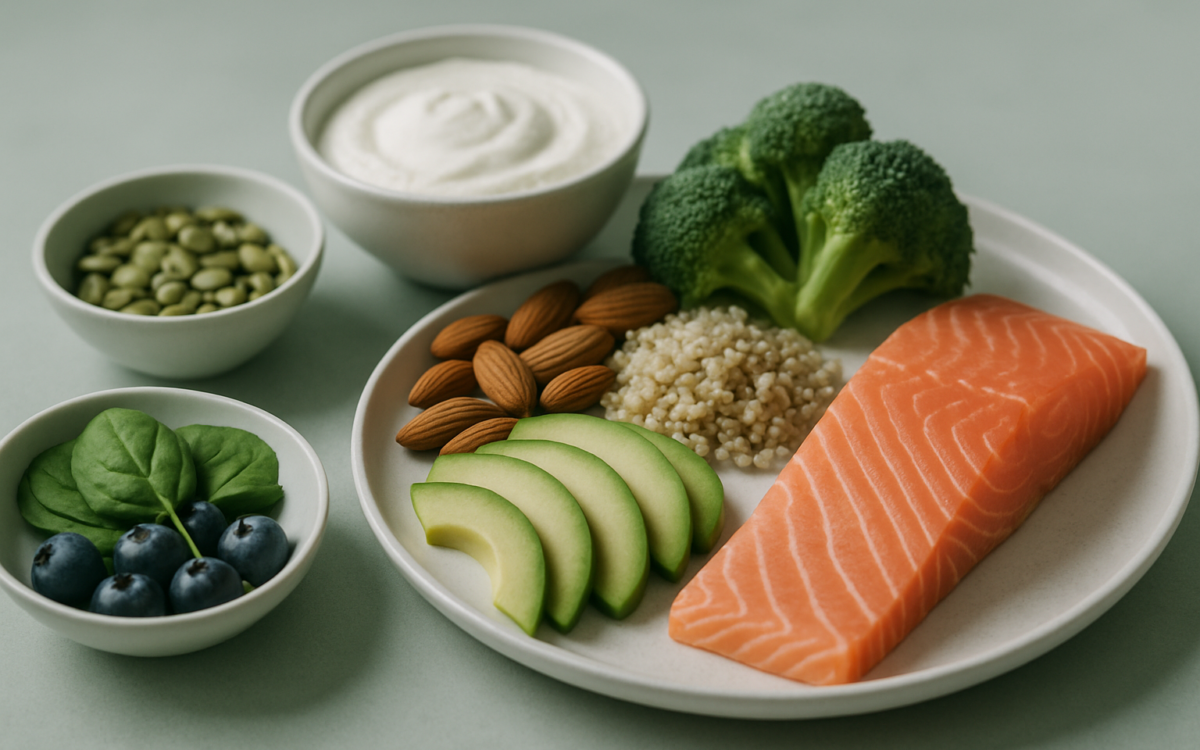
- Berries: Blueberries, strawberries, and blackberries are particularly rich in antioxidants called flavonoids.
- Leafy Greens: Spinach, kale, and Swiss chard contain compounds that help reduce inflammation.
- Citrus Fruits: Oranges, lemons, and grapefruits are packed with vitamin C, which has anti-inflammatory properties.
- Cruciferous Vegetables: Broccoli and Brussels sprouts contain sulforaphane, a compound that fights inflammation.
Healthy Fats: The Good Kind
Not all fats are created equal. Incorporating healthy fats into your diet can help reduce inflammation. Here are some excellent sources of non-inflammatory fats:
- Olive Oil: Extra virgin olive oil is rich in monounsaturated fats and antioxidants that help lower inflammation.
- Fatty Fish: Fish like salmon, mackerel, and sardines are high in omega-3 fatty acids that are known to fight inflammation.
- Nuts and Seeds: Almonds, walnuts, flaxseeds, and chia seeds are packed with omega-3 fatty acids and other beneficial nutrients.
Whole Grains: A Better Choice
When it comes to grains, whole grains are generally more beneficial for your body compared to refined grains. They contain more fiber and nutrients, which can help reduce inflammation. Some excellent options include:
- Quinoa: A complete protein and a great source of fiber.
- Brown Rice: Contains more nutrients than white rice.
- Oats: High in fiber and can help improve heart health.
Herbs and Spices for Flavor and Health
Incorporating herbs and spices into your meals can not only enhance flavor but also provide anti-inflammatory benefits. Some notable options include:
- Turmeric: Contains curcumin, which has potent anti-inflammatory properties.
- Ginger: Known for its ability to reduce inflammation and pain.
- Garlic: May help combat inflammation and boost the immune system.
- Cinnamon: Has antioxidant and anti-inflammatory effects.
Foods to Limit or Avoid
To maximize the benefits of a non-inflammatory diet, it is also important to limit or avoid certain foods that can promote inflammation:
- Sugar and Processed Foods: High sugar intake and processed snacks can trigger inflammation.
- Red and Processed Meat: These foods may be linked to increased inflammatory markers.
- Refined Carbohydrates: White bread, pastries, and sugary cereals can contribute to inflammation.
- Trans Fats: Often found in fried and processed foods, these can worsen inflammation.
Maintaining Balance: A Holistic Approach
A diet rich in non-inflammatory foods contributes to better health, but it’s essential to take a holistic approach. Regular physical activity, adequate sleep, and stress management are crucial components of maintaining a healthy lifestyle. Remember, a balanced diet is just one piece of the puzzle.
When to See a Doctor
If you are experiencing chronic inflammation or related symptoms, it is important to consult a healthcare provider. They can provide guidance tailored to your specific health needs and help you create a diet plan that works for you.
For more information on how diet impacts inflammation, consider visiting resources from reputable organizations such as the National Institutes of Health or the World Health Organization.
In summary, incorporating non-inflammatory foods into your diet can lead to substantial benefits for your health. By focusing on whole, nutrient-rich foods and minimizing harmful options, you can create a diet that supports your body’s needs while reducing inflammation.
