
Vitamin D is often referred to as the “sunshine vitamin” because our bodies produce it in response to sunlight. This essential nutrient plays a vital role in maintaining bone health, immune function, and overall well-being. However, many people worldwide don’t get enough vitamin D, leading to significant health issues. Understanding the normal range for vitamin D levels is crucial for everyone, as it helps you gauge whether you might need to adjust your diet or lifestyle.
What Is Vitamin D?
Vitamin D is a fat-soluble vitamin that exists in two main forms: vitamin D2 (ergocalciferol) and vitamin D3 (cholecalciferol). Vitamin D3 is the more potent form and is produced in the skin through sunlight exposure. While our bodies can synthesize vitamin D, it can also be obtained from certain foods and supplements. Sources of vitamin D include fish, beef liver, cheese, egg yolks, and fortified foods like dairy products and cereals.
Why Is Vitamin D Important?
This vitamin is crucial for several bodily functions:
- Bone Health: Vitamin D helps your body absorb calcium, a key mineral for strong bones. Low levels can lead to osteoporosis and fractures.
- Immune Function: Adequate vitamin D levels support a healthy immune system, which is particularly important for warding off infections.
- Overall Well-being: Some studies have suggested that vitamin D may play a role in reducing the risk of chronic diseases, including certain cancers and cardiovascular diseases.
Vitamin D Normal Ranges
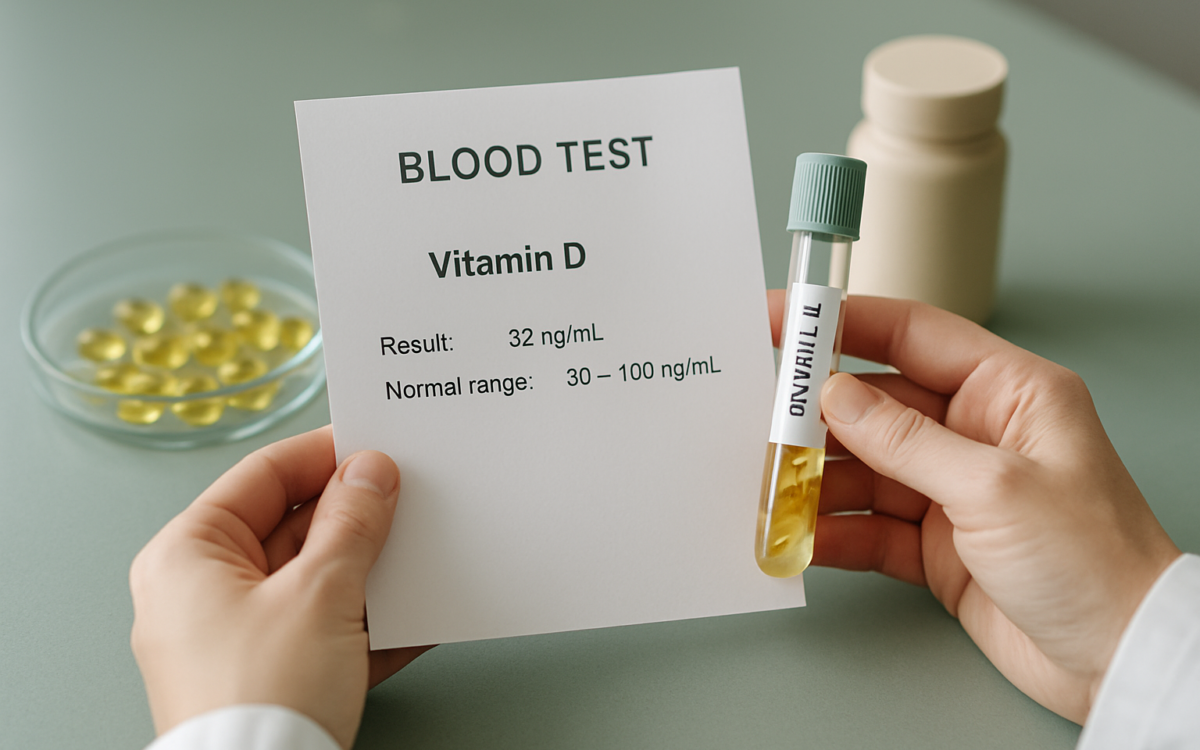
The normal range for vitamin D levels can vary slightly depending on the laboratory and measurement methods, but general guidelines suggest:
- Deficiency: Less than 20 ng/mL
- Insufficiency: 21-29 ng/mL
- Normal: 30-60 ng/mL
- Excess: Above 100 ng/mL
Most health organizations, including the NIH and the WHO, recommend aiming for a vitamin D level of at least 30 ng/mL for optimal health. Regular testing can help you monitor your levels and ensure they’re within the normal range.
Factors Influencing Vitamin D Levels
Several factors can affect your vitamin D levels:
- Geographic Location: Living in places with limited sunlight, especially during winter months, can hinder vitamin D synthesis.
- Skin Color: Melanin reduces the skin’s ability to produce vitamin D. Individuals with darker skin tones may require more sun exposure to generate adequate levels.
- Age: As we age, our skin becomes less efficient at producing vitamin D. Older adults may need to monitor their levels more closely.
- Diet: Those who follow a strict vegetarian or vegan diet may find it more challenging to obtain sufficient vitamin D unless they include fortified foods or supplements.
If you’re concerned about your vitamin D levels, it may be worth consulting a healthcare professional for advice tailored to your individual circumstances. Many international centers, such as acibademinternational.com, provide specialized tests and treatments that can help manage vitamin D deficiency effectively.
Symptoms of Vitamin D Deficiency
Vitamin D deficiency can manifest in various ways, including:
- Fatigue or tiredness
- Bone pain or muscle weakness
- Frequent infections or illness
- Depressed mood or seasonal affective disorder
- Hair loss
If you experience any of these symptoms, it may be worth discussing them with your doctor. They can suggest appropriate testing and treatment options.
How to Maintain Healthy Vitamin D Levels
Here are several strategies to help you maintain healthy vitamin D levels:
- Sun Exposure: Aim for about 15-30 minutes of sun exposure a few times a week, depending on your skin type and location.
- Diet: Incorporate vitamin D-rich foods, such as salmon, mackerel, and fortified products, into your meals.
- Supplements: If you’re unable to get enough vitamin D from sunlight and food, consider discussing a supplement with your healthcare provider.
When to See a Doctor
If you suspect you have a vitamin D deficiency or experience symptoms associated with low levels, consult a healthcare professional. They can order a blood test to determine your vitamin D levels and suggest an appropriate course of action if necessary.
Conclusion
Maintaining a normal range of vitamin D is essential for your overall health and wellness. By learning about the importance of vitamin D, how to maintain its levels, and when to seek medical help, you can take proactive steps towards a healthier you.
