
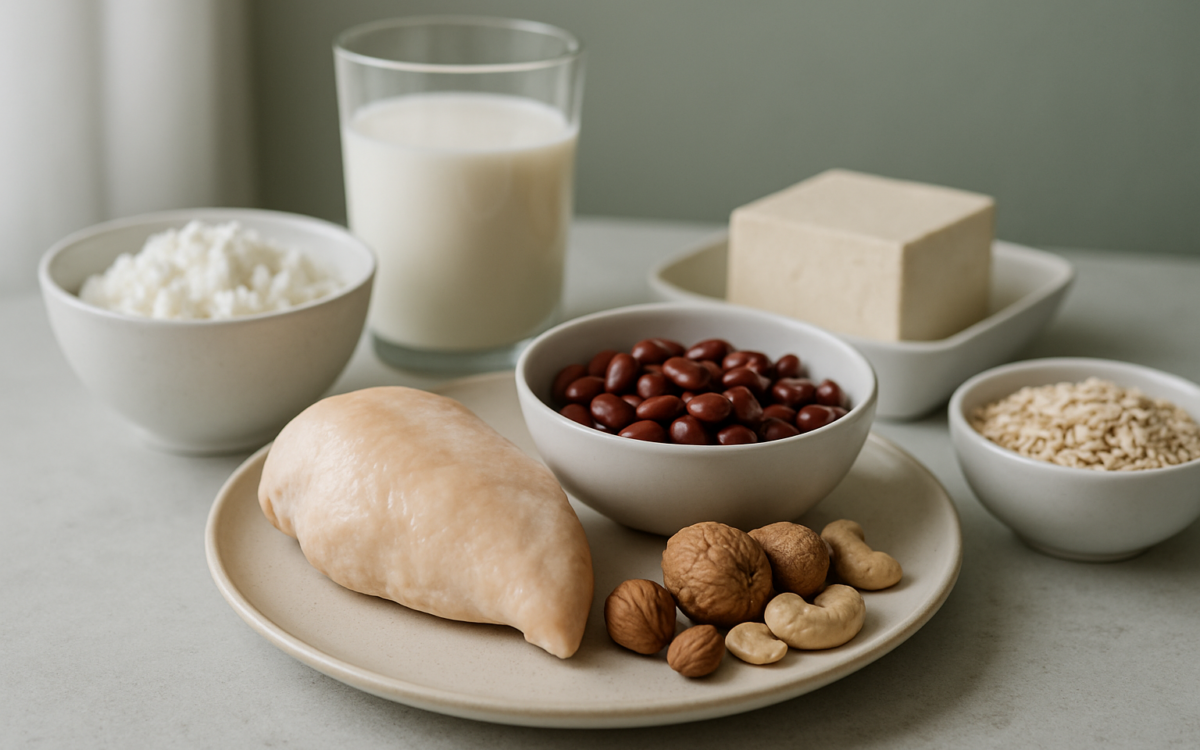
Protein is one of the core building blocks of life. Whether it’s maintaining muscle, repairing tissues, or producing essential hormones, protein plays a critical role in nearly every function within the body. Yet, many people wonder exactly how much protein they should include in their daily diets. Understanding your daily recommended protein requirements can help guide your food choices for optimal health.
What is protein and why is it important?
Protein is made up of smaller units called amino acids, which the body uses to create cells and enzymes necessary for different bodily functions. While your body can produce some amino acids, there are nine that it cannot make, known as essential amino acids. This is why it’s important to consume protein from various sources.
Protein is crucial for:
- Building and repairing tissue
- Supporting immune functions
- Producing enzymes and hormones
- Providing energy
- Maintaining muscle mass
Because it has such varied functions, sufficient protein intake is fundamental to maintaining overall health.
How much protein do you need?
The daily recommended amount of protein varies based on several factors, including age, sex, weight, and physical activity level. According to the National Institutes of Health (NIH), the general guideline for adults is to consume 46 grams of protein daily for women and 56 grams for men.
However, these numbers can change depending on individual circumstances:
- Active individuals: Those who engage in regular exercise, especially strength training, may need significantly more protein—up to 1.2 to 2.0 grams per kilogram of body weight.
- Older adults: As you age, muscles can lose protein synthesis efficiency. Older adults are often recommended to aim for higher protein intake to combat muscle loss.
- Pregnant and breastfeeding women: They generally require more protein for fetal development and milk production.
- Vegetarians and vegans: Those following plant-based diets may need to ensure they combine protein sources to obtain all essential amino acids.
To calculate your specific protein needs, consider your weight in kilograms and multiply it by the recommended grams per kilogram based on your activity level and goals.
Exploring protein sources
Protein can be found in a wide array of foods, both animal-based and plant-based. Here are some excellent sources:
Animal-based proteins
- Meat: Chicken, beef, turkey, and pork are rich in protein.
- Fish: Salmon, tuna, and mackerel not only provide protein but also heart-healthy omega-3 fatty acids.
- Eggs: A great source of complete protein.
- Dairy: Milk, yogurt, and cheese are not only protein-rich but also provide calcium and other nutrients.
Plant-based proteins
- Legumes: Lentils, beans, and chickpeas are excellent vegetarian protein sources.
- Nuts and seeds: Almonds, chia seeds, and hemp seeds can boost your protein intake.
- Whole grains: Quinoa and brown rice contain more protein than refined grains.
- Tofu and tempeh: Great meat substitutes that are high in protein.
Making sure to include a variety of these protein sources in your diet can help you meet your daily requirements while also promoting overall health.
Signs you may need more protein
Some signs that your protein intake may be low include:
- Fatigue or weakness
- Loss of muscle mass or strength
- Frequent injuries or longer recovery times
- Changes in mood or increased feelings of anxiety
- Skin, hair, or nail problems
If you notice any of these signs and suspect you may not be getting enough protein, consider evaluating your diet and consulting a healthcare professional for personalized advice.
Protein supplementation: Is it necessary?
While whole foods should be your primary source of protein, many turn to protein supplements like powders, bars, or shakes, especially if they struggle to meet their daily needs through food alone. While supplements can be beneficial, they should not replace a balanced diet.
Before starting any supplementation, consult with a healthcare provider to ensure you are making an informed choice based on your individual health needs.
When to see a doctor
If you experience symptoms of protein deficiency or are unsure about your protein intake, it’s wise to consult with a healthcare professional. They can help assess your dietary habits and recommend appropriate changes or supplements if necessary. Additionally, if you have specific health conditions, they can provide tailored recommendations.
In conclusion, protein is an essential part of our diet that supports numerous bodily functions. By understanding your daily recommended protein needs and incorporating a variety of protein sources into your meals, you can enhance your health and well-being. Remember, a balanced diet plays a huge role in not just how you feel today, but how well you will maintain your health in the future.
