
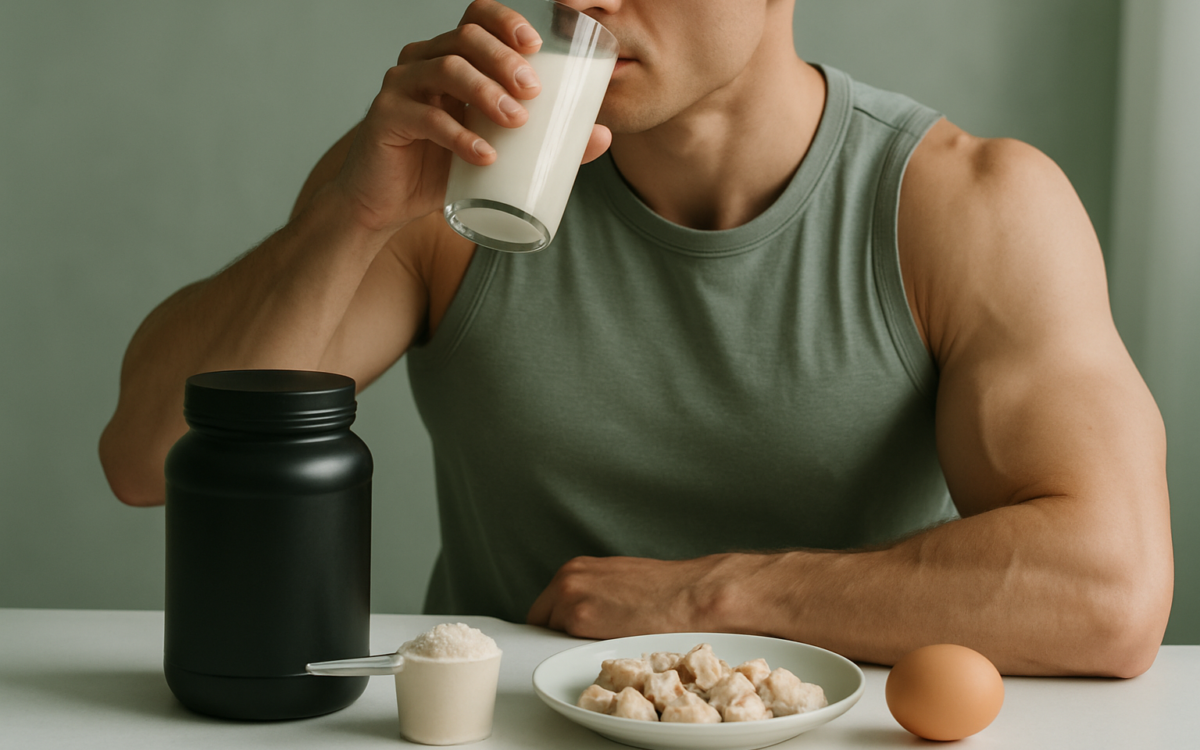
When it comes to building muscle, there’s one nutrient that consistently makes headlines: protein. Whether you’re an athlete, a fitness enthusiast, or simply someone looking to improve your strength, understanding the role of protein can significantly enhance your training results. In this article, we’ll explore how protein works to build muscle, the best sources, and tips for consumption.
Why is protein important for muscle building?
Protein is one of the three macronutrients essential for our bodies, alongside carbohydrates and fats. It’s crucial for muscle growth because it supplies the building blocks—known as amino acids—that our muscles need to recover after a workout.
When you perform resistance training or high-intensity workouts, tiny tears occur in your muscle fibers. Protein helps repair these tears, leading to muscle growth, also known as muscle protein synthesis. Ensuring you consume enough protein can enhance this process, making it a vital component of any strength training regimen.
How much protein do you need?
The ideal amount of protein varies depending on several factors including age, sex, overall health, and physical activity level. For those looking to build muscle, a common recommendation is about 1.6 to 2.2 grams of protein per kilogram of body weight.
For instance, if you weigh 70 kilograms (about 154 pounds), you should aim for approximately 112 to 154 grams of protein per day. However, individuals engaging in more intense training may benefit from the higher end of this range or even slightly above it. Always consult with a healthcare professional or a registered dietitian for personalized recommendations.
Best sources of protein
To meet your protein needs, it’s important to choose high-quality sources. Here are some excellent options:
- Animal-based proteins: Chicken, turkey, beef, fish, eggs, and dairy products like cheese and yogurt are all packed with protein and contain all essential amino acids.
- Plant-based proteins: Lentils, beans, chickpeas, quinoa, tofu, and tempeh are good alternatives for vegetarians and vegans.
- Protein supplements: Whey protein, casein, soy, and pea protein powders can be convenient options to help you reach your protein goals, especially post-workout.
Diversifying your protein sources not only helps ensure you get a complete amino acid profile, but it also contributes to a balanced diet overall.
When to consume protein
Timing can significantly influence the effects of protein on muscle building. Research suggests that there are optimal times to consume protein around your workouts.
– Post-workout: Consuming protein within 30 minutes to two hours after exercising can help kickstart muscle recovery. This is often referred to as the “anabolic window.” Consider having a protein shake or a meal that includes protein to maximize recovery.
– Throughout the day: It’s beneficial to spread your protein intake across multiple meals. Aim for approximately 20 to 30 grams of protein at each meal for the best results.
Paying attention to protein timing can help you make the most of your workouts and achieve your muscle building goals more efficiently.
How does international treatment play a role?
For those seeking advanced options or specialized protein therapies, considering international treatment may be beneficial. Countries like Turkey have become popular destinations for those looking to combine fitness with treatment for various health conditions. You might explore options for treatment in Turkey that includes nutritional programs tailored specifically to your needs, which can enhance muscle growth and overall health.
Conclusion
To sum up, protein consumption is a key factor in building muscle effectively. Understanding how much protein you need, the best sources, and when to consume it can help you optimize your muscle growth. As you embark on your fitness journey, remember that a balanced diet plays an essential role in achieving your goals alongside regular exercise.
When to see a doctor
If you’re considering making significant changes to your diet or if you’re unsure about how much protein you should consume, it’s a good idea to consult with a healthcare professional. They can provide guidance based on your individual health needs and help you form a practical nutrition plan that supports your muscle building goals.
