
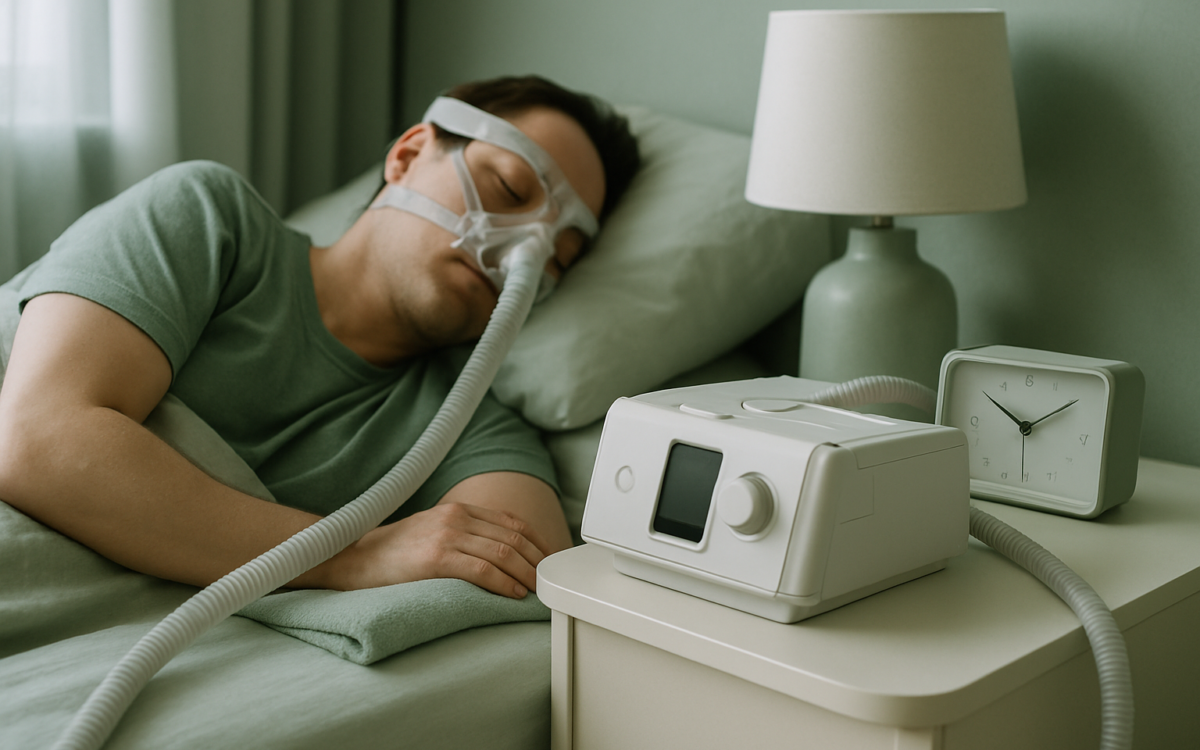
Getting a good night’s sleep is essential for everyone, but for those living with sleep apnea, it can be even more challenging. Sleep apnea, a condition where breathing repeatedly stops and starts during sleep, affects the quality of rest and daily life. Fortunately, improving your sleep hygiene can help manage symptoms and promote better sleep quality. Let’s explore some effective strategies to enhance your sleep and create a restful environment.
Understanding Sleep Hygiene
Sleep hygiene involves a series of practices and habits that are necessary for quality sleep and full daytime alertness. These tips can create a more sleep-friendly lifestyle and reduce the severity of sleep apnea symptoms. According to the National Institutes of Health, maintaining good sleep hygiene can directly impact your overall health and quality of life.
Establish a Consistent Sleep Schedule
One of the most effective sleep hygiene practices is sticking to a consistent sleep schedule. This means going to bed and waking up at the same time every day, even on weekends. For individuals with sleep apnea, this consistency helps regulate the body’s internal clock, making it easier to fall asleep and stay asleep. Aim for 7-9 hours of sleep each night, as recommended by the Centers for Disease Control and Prevention (CDC).
Create a Comfortable Sleep Environment
Your sleeping environment plays a crucial role in how well you rest. Here are some tips for creating a sleep-friendly area:
- Keep it dark: Use blackout curtains to block external light.
- Control the temperature: Aim for a cooler room, around 60-67°F (15-19°C).
- Minimize noise: Consider white noise machines or earplugs to mask disruptive sounds.
- Comfortable bedding: Invest in a good mattress and pillows. Your body needs proper support.
These conditions can significantly improve sleep quality for those with sleep apnea.
Develop a Relaxing Bedtime Routine
Engaging in calming activities before bed can signal to your body that it’s time to wind down. Here are some ideas:
- Read a book or listen to soothing music.
- Practice relaxation techniques, such as deep breathing, meditation, or gentle yoga.
- Avoid screens: Limit exposure to phones, tablets, and TVs at least 30-60 minutes before bed, as blue light can interfere with melatonin production.
Creating a calm atmosphere can help reduce anxiety and prepare your body for restful sleep.
Monitor Your Diet and Exercise
What you eat and when you eat can impact your sleep quality. Consider the following:
- Avoid heavy meals: Eating large meals right before bed can disrupt sleep. Try to finish eating at least 2-3 hours before going to sleep.
- Reduce caffeine and alcohol: Both substances can interfere with your sleep cycle. Limit them, especially in the afternoon and evening.
- Stay hydrated: Drink enough water throughout the day but reduce intake close to bedtime to avoid nighttime trips to the bathroom.
In addition to diet, regular exercise can lead to better sleep. Aim for at least 30 minutes of moderate exercise most days, but try not to exercise right before bed, as it might energize you and make falling asleep more difficult.
Use a CPAP Machine If Prescribed
If you have been prescribed a Continuous Positive Airway Pressure (CPAP) machine, using it regularly is essential. A CPAP machine helps keep your airway open while you sleep, significantly reducing nightly apneas and improving sleep quality. Adhering to your CPAP schedule can enhance the benefits of your new sleep hygiene practices.
Limit Naps
While short naps can be refreshing, long naps might make it harder to fall asleep at night. If you must nap, try to keep it under 30 minutes and avoid napping late in the day. This practice can help ensure you remain sleepy at your scheduled bedtime.
When to See a Doctor
If you continue to struggle with sleep despite making these adjustments, it’s important to consult a healthcare provider. They can help determine whether additional interventions, such as therapy or medication, may be necessary. Additionally, ongoing sleep disturbances can suggest that your treatment for sleep apnea needs reassessment.
In Conclusion
Living with sleep apnea can be challenging, but incorporating good sleep hygiene practices into your routine can make a significant difference. By making small changes to your sleep environment, schedule, and lifestyle habits, you can enhance your sleep quality and overall health. Remember, the journey to better sleep takes time, but with patience and persistence, restful nights are within reach.
