
The prostate is a small but crucial gland in the male reproductive system. Understanding its function and the common health concerns associated with it is essential for men’s overall health. This article aims to demystify the prostate, highlight its importance, and discuss various health issues that may arise, helping men make informed decisions about their healthcare.
What Is the Prostate?
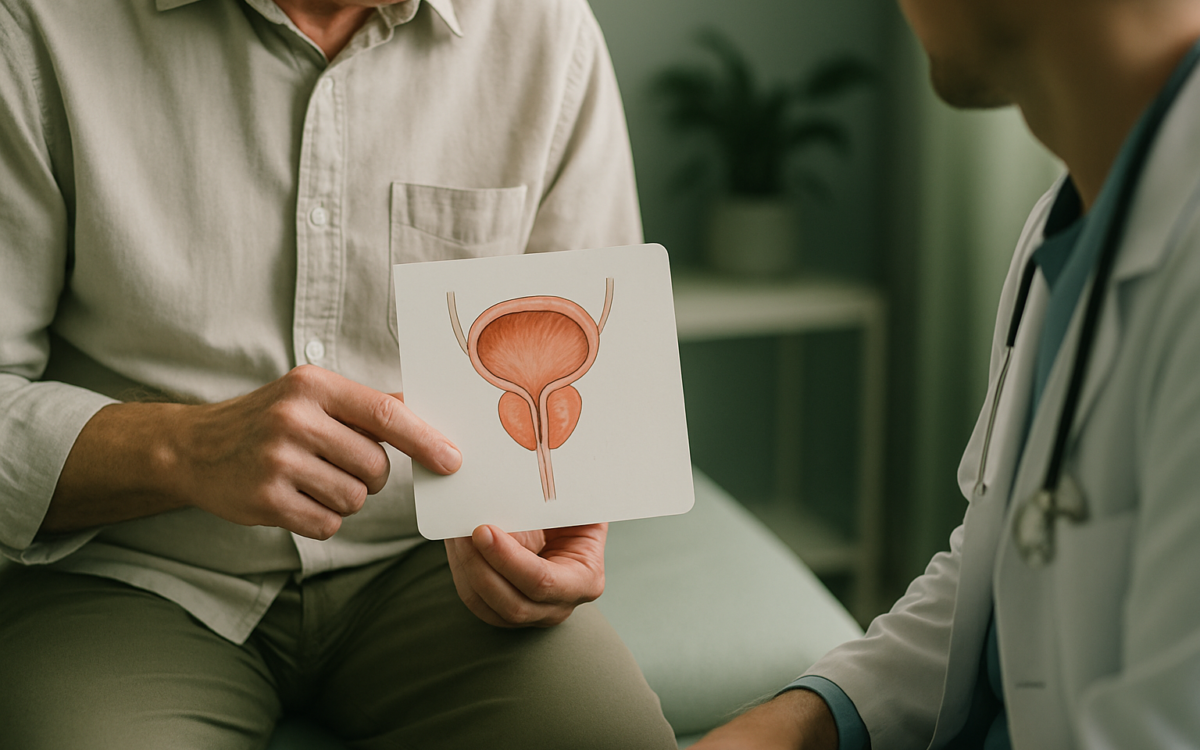
The prostate is a walnut-sized gland located just below the bladder and in front of the rectum. It surrounds the urethra, the tube that carries urine and semen out of the body. The main function of the prostate is to produce seminal fluid—this fluid nourishes and transports sperm during ejaculation.
Prostate Health and Common Issues
As men age, they may encounter various prostate-related health issues. Some of the most common conditions include:
- Benign Prostatic Hyperplasia (BPH): This is a non-cancerous enlargement of the prostate that often leads to urinary problems, such as difficulty starting urination, weak urine flow, or frequent need to urinate at night.
- Prostatitis: Inflammation of the prostate, which can be caused by infection or other factors. Prostatitis can cause pain in the lower abdomen or pelvis, painful urination, and flu-like symptoms.
- Prostate Cancer: This is one of the most common types of cancer among men. It often grows slowly and may not cause immediate symptoms, but in some cases, it can be aggressive and spread to other parts of the body.
Risk Factors for Prostate Problems
Several factors may increase the risk of developing prostate issues. These include:
- Age: The risk of prostate problems increases significantly as men age, especially after age 50.
- Family History: Having a family history of prostate cancer can elevate one’s risk.
- Ethnicity: Certain ethnic groups, particularly African American men, are at higher risk for prostate cancer compared to Caucasians and other groups.
- Diet: A diet high in red meat and high-fat dairy may increase the risk, while a diet rich in fruits and vegetables may offer some protection.
Symptoms to Watch For
Being aware of potential symptoms can lead to early detection of prostate issues. Some typical signs to look out for include:
- Increased urination, especially at night
- Painful urination or difficulty starting urination
- Blood in the urine or semen
- Pain in the lower back, hips, or pelvis
- Unexplained weight loss or changes in sexual function
If you notice any of these symptoms, it is essential to consult a healthcare professional for a thorough evaluation.
Prostate Health: Prevention and Lifestyle Tips
While some risk factors are beyond control, there are steps men can take to promote prostate health:
- Regular Screening: Discuss with your doctor about when to begin prostate cancer screening, typically around age 50 for average-risk men.
- Healthy Diet: A diet rich in vegetables, fruits, whole grains, and healthy fats can support overall health, including prostate health.
- Physical Activity: Regular exercise can help maintain a healthy weight and reduce the risk of various cancers.
- Avoid Smoking: Quitting smoking can have numerous health benefits and reduce the risk of various health conditions.
- Limit Alcohol: Drinking alcohol in moderation is advisable, as excessive alcohol consumption may lead to health issues.
When to See a Doctor
Men should consider consulting a doctor if they experience any of the symptoms mentioned earlier. Additionally, regular check-ups can help catch problems early. If you are over 50 or have risk factors for prostate issues, discussing prostate health with your physician is crucial. Early detection can significantly improve treatment outcomes.
Conclusion
Understanding the male prostate and its potential health issues is vital for men as they age. This gland plays a significant role in reproductive health, and being informed about the symptoms and risks can lead to proactive healthcare choices. Remember, regular check-ups and open conversations with your doctor can help maintain prostate health.
