
Testosterone is often referred to as the male hormone, but its impact on health goes beyond just defining male traits. Understanding average testosterone levels can help men gauge their health and well-being. For many, this topic can be confusing, so let’s break it down.
What is Testosterone?
Testosterone is a hormone produced in the testicles in men and in smaller amounts in women’s ovaries. It plays a crucial role in various bodily functions, including the development of muscles, bone density, and the regulation of mood. It’s essential for male reproductive health and influences libido.
What is Considered Average Testosterone?
The average testosterone level for adult men varies widely, typically falling between 300 to 1,000 nanograms per deciliter (ng/dL). According to the National Institutes of Health, testosterone levels naturally decline with age. Men in their 20s often have higher levels, while those over 60 may experience significantly lower averages.
How Does Age Affect Testosterone Levels?
As men age, testosterone levels generally dip. Research shows that, on average, testosterone levels decline by about 1% each year after age 30. This gradual decrease can begin to affect mood, energy levels, and overall health. Understanding your age-related testosterone levels can clarify what changes to expect as you grow older.
Factors That Influence Testosterone Levels
Several factors can influence testosterone levels beyond age alone:
- Health Conditions: Conditions such as obesity, diabetes, and hormonal disorders can lead to lower testosterone levels.
- Lifestyle Choices: Diet, exercise, and alcohol consumption can significantly affect hormonal balance.
- Stress Levels: High levels of stress can result in hormonal fluctuations, often decreasing testosterone levels.
- Medications: Certain medications, especially steroids and opioids, can alter testosterone production and levels.
What Are the Symptoms of Low Testosterone?
Low testosterone, or hypogonadism, can result in various symptoms that impact quality of life. Some common symptoms include:
- Reduced libido
- Fatigue and decreased energy
- Depression or mood swings
- Difficulty concentrating
- Loss of muscle mass
- Increased body fat
If you are experiencing any of these symptoms, it’s essential to consult a healthcare provider. They can help determine whether your testosterone levels need to be evaluated.
Testing for Testosterone Levels
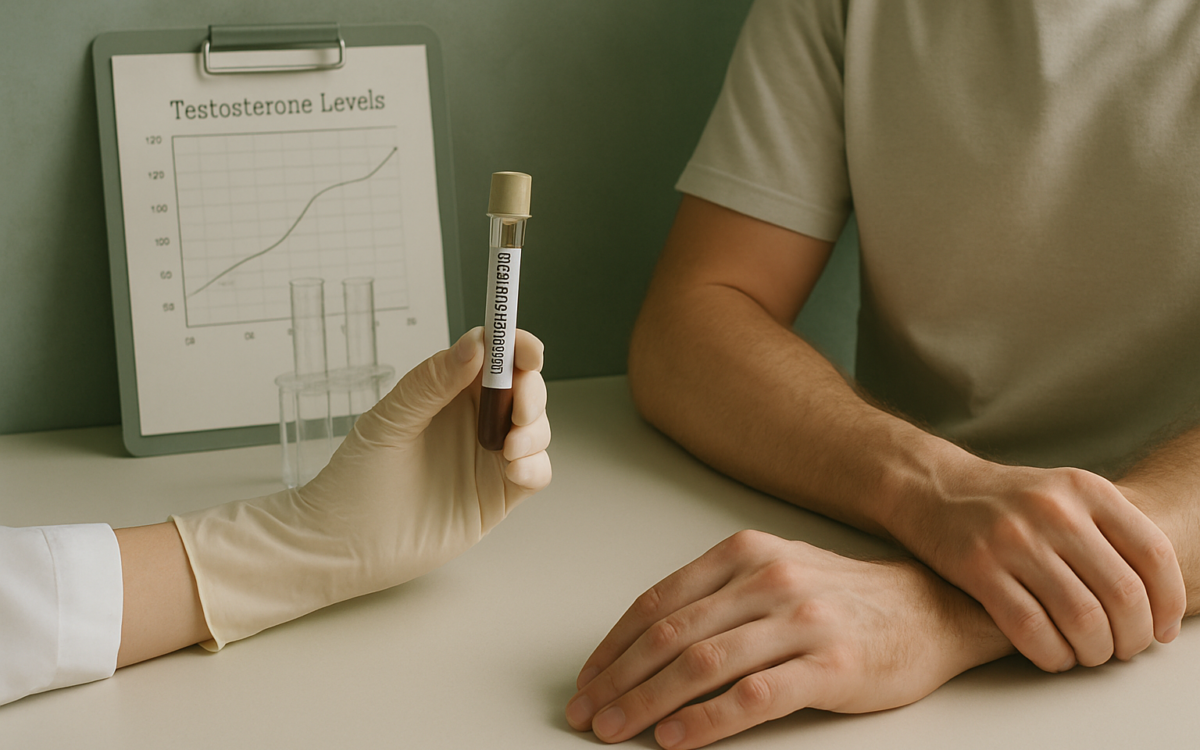
If you suspect low testosterone, your doctor may recommend a simple blood test. This test measures your testosterone levels and is usually done in the morning when levels are at their peak. Depending on the results, your doctor may take further steps to assess your health.
Normal Testosterone vs. What is Low Testosterone?
Normal testosterone levels can vary widely and depend on many individual factors. If your levels fall below 300 ng/dL consistently and you face related symptoms, your healthcare provider may diagnose you with low testosterone. It is essential to remember that individual levels can differ, so context is key when evaluating these numbers.
When to See a Doctor
If you’re concerned about your testosterone levels or are experiencing symptoms such as low energy or decreased libido, consult your healthcare provider. They can evaluate your overall health and recommend appropriate testing or treatment options if necessary.
Conclusion
Understanding average testosterone levels is crucial for men’s health. Monitoring your levels can help identify potential health issues and guide lifestyle changes or treatments. Be proactive about your health by discussing any concerns with your doctor.
