
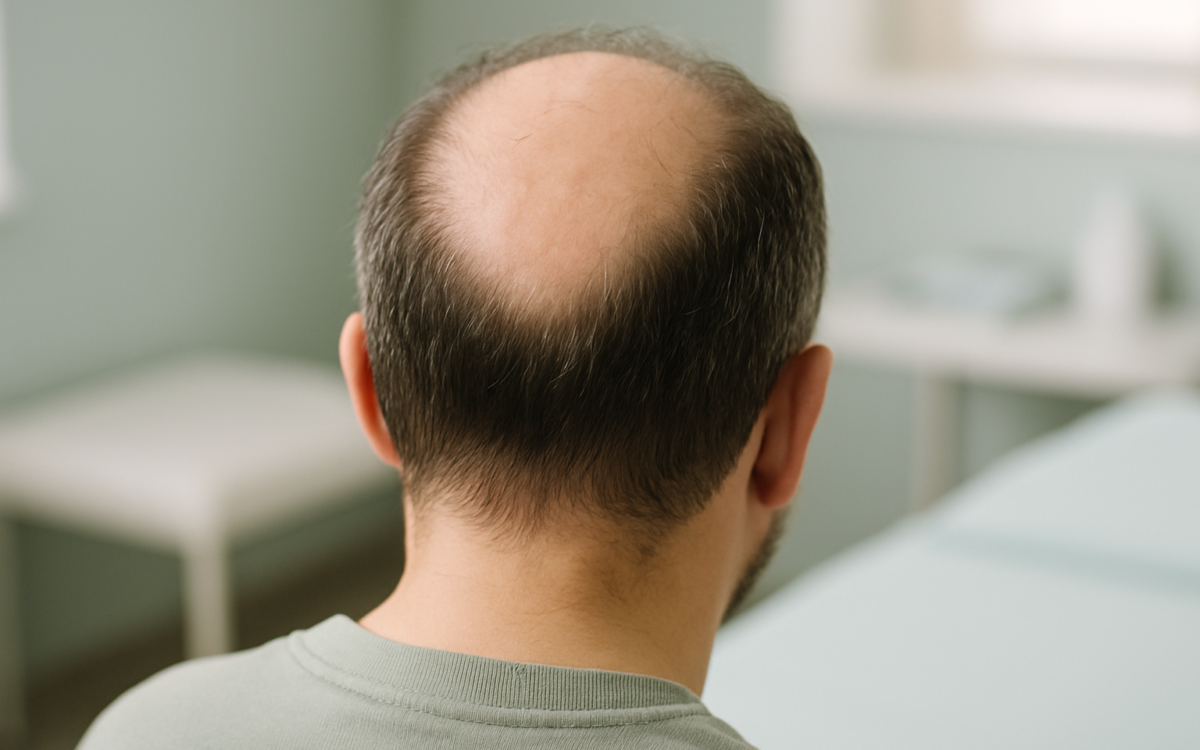
Hair loss is a common concern for many people, affecting both men and women. One of the most prevalent types of hair loss is known as androgenic androgenetic alopecia (AAA). This condition not only impacts a person’s physical appearance but can also have emotional and psychological effects. Understanding AAA is crucial for those experiencing symptoms and seeking appropriate treatments.
What is androgenic androgenetic alopecia?
Androgenic androgenetic alopecia refers to a hereditary condition that causes hair thinning and loss. It is often described as male pattern baldness in men and female pattern hair loss in women. This disorder is driven primarily by genetic factors combined with hormonal influences, particularly androgens, which are male hormones present in both genders.
The causes of AAA
The exact cause of androgenic androgenetic alopecia is not fully understood, but several factors contribute to its development:
- Genetics: If a person has a family history of hair loss, they are more likely to experience AAA. Specific genes inherited from parents play a critical role in this condition.
- Hormones: Androgens, particularly dihydrotestosterone (DHT), are key players. DHT can shrink hair follicles over time, leading to finer hair and eventually hair loss.
- Age: Aging is a natural process that contributes to hair loss. As people get older, the likelihood of developing AAA increases.
Identifying symptoms of AAA
The symptoms of androgenic androgenetic alopecia may differ between men and women:
- For men: Hair typically begins to recede at the temples and crown, leading to progressive baldness.
- For women: Women usually experience diffuse thinning across the scalp, with an emphasis on the crown area while maintaining the hairline.
Regardless of gender, the progression of AAA can be gradual and may not become apparent until a person starts noticing more hair on their pillow or in the shower.
Diagnosis of AAA
Diagnosing androgenic androgenetic alopecia often involves a thorough medical history and examination by a healthcare provider. They may check for:
- The pattern of hair loss
- A scalp examination to assess hair follicles
- Blood tests to rule out other underlying conditions
It’s important for individuals to communicate any family history of hair loss, as this can guide the diagnosis.
Treatment options for AAA
While there is no cure for androgenic androgenetic alopecia, several treatment options can help manage the condition:
- Minoxidil: This topical treatment is available over-the-counter. It can help stimulate hair growth and slow loss in both men and women.
- Finasteride: This prescription medication is aimed at reducing the level of DHT. It tends to be effective for men but is not recommended for women due to potential side effects.
- Hair transplant surgery: For individuals with significant hair loss, this surgical option may provide a lasting solution. Hair follicles from areas with healthy hair are transplanted to balding areas.
Additionally, lifestyle changes such as maintaining a balanced diet, managing stress, and avoiding harsh hair treatments can also support hair health.
Emotional and psychological impact of hair loss
Experiencing hair loss from AAA can be challenging emotionally. Many individuals face feelings of embarrassment, anxiety, or loss of self-esteem. It’s not uncommon for people to seek support from friends, family, or support groups. Talking about feelings related to hair loss can be a helpful step in coping.
Preventing AAA
While prevention may not be entirely possible due to genetic predispositions, certain practices can help minimize hair loss:
- Avoid tight hairstyles that stress hair follicles.
- Limit exposure to harsh chemicals or excessive heat from styling tools.
- Prioritize a nutrient-rich diet that includes vitamins and minerals known for promoting hair health.
Research into new treatments and potential preventive measures is ongoing, and emerging therapies might offer additional hope for those affected by AAA.
When to see a doctor
If you are experiencing noticeable hair loss, it’s a good idea to consult a healthcare provider. They can help identify the cause and discuss treatment options best suited for you. Early intervention can lead to more effective management of the condition.
Always remember, seeking help is a strong step towards maintaining not only your hair’s health but also your overall well-being.
Conclusion
Androgenic androgenetic alopecia is a common condition that affects many people. Understanding its causes, symptoms, and available treatments can empower individuals to take control of their hair health. If you’re facing hair loss, don’t hesitate to reach out to a healthcare provider for guidance and support.
For more information on hair loss and related topics, you can refer to resources from the Mayo Clinic or the National Institutes of Health.
