
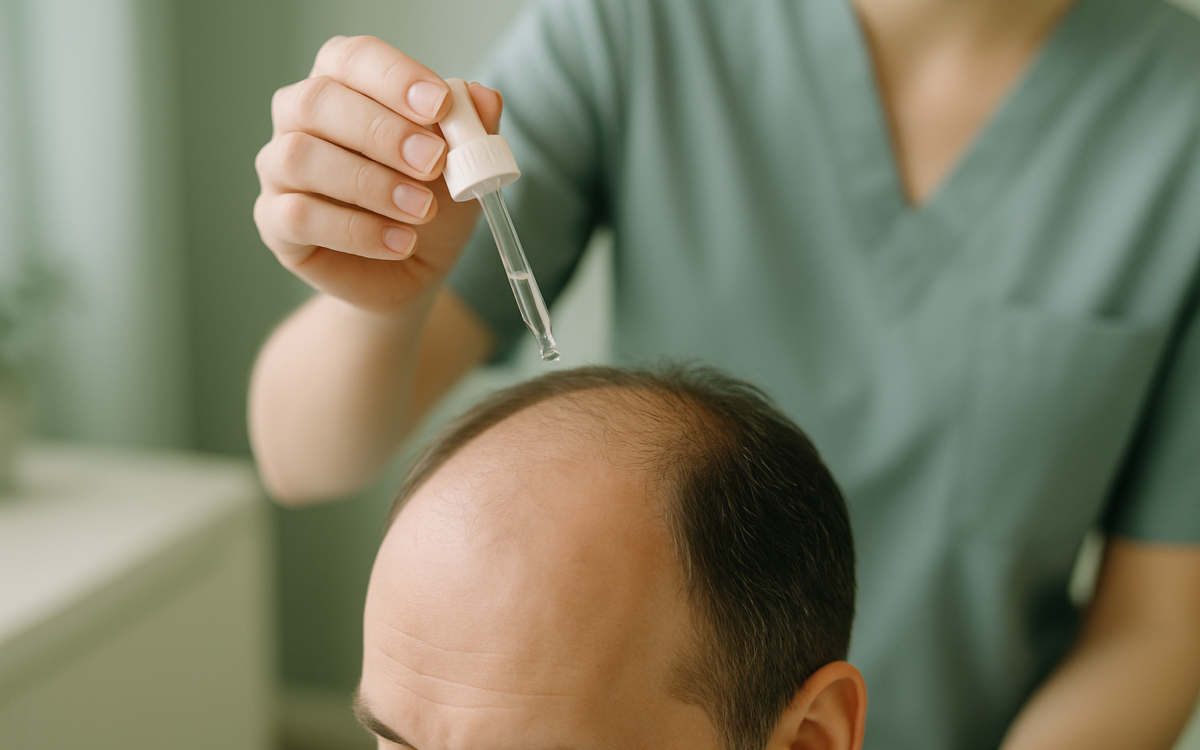
Hair loss is a common concern for many, impacting self-esteem and confidence. While several factors contribute to hair loss, one major culprit is a group of hormones known as androgens. Understanding how androgens relate to hair loss can help you navigate more informed decisions about your health.
What Are Androgens?
Androgens are a group of hormones often referred to as male hormones, although they are present in both men and women. The most well-known androgen is testosterone, but others include dihydrotestosterone (DHT) and androstenedione. These hormones play essential roles in several bodily functions, including the development of male characteristics, regulating libido, and influencing muscle and bone mass.
Androgens and Hair Growth
Hair growth is influenced by a variety of factors including genetics, diet, and hormonal levels. Androgens significantly impact hair follicles, especially in areas like the scalp and face. In genetically predisposed individuals, androgens can shorten the hair growth cycle and reduce the overall thickness of hair. This is particularly evident in male pattern baldness (androgenetic alopecia), a condition where hair starts thinning at the top and front of the head.
How Do Androgens Cause Hair Loss?
To understand the hair loss process, it’s essential to look at how androgens function. DHT, a derivative of testosterone, is often linked to hair loss. In hair follicles, DHT binds to receptors and affects the follicle’s size. Over time, this can lead to miniaturization, where hair grows thinner and shorter until it eventually stops growing altogether. Research suggests that individuals with a family history of hair loss may have hair follicles more sensitive to DHT, increasing the likelihood of hair loss (NIH).
Signs of Hair Loss Related to Androgens
Recognizing the early signs of androgen-related hair loss can make a difference in seeking timely solutions. Common signs include:
- Thinning hair on the crown or at the hairline
- Increased shedding, particularly when washing or brushing hair
- Receding hairline, often forming an ‘M’ shape
- Widening part line where hair is noticeably thinner
If you notice these changes, it may indicate that androgens are affecting your hair growth.
Other Factors Influencing Hair Loss
While androgens play a significant role in hair loss, they are not the only factor. Other influences include:
Genetics
Your family history is one of the most significant contributors to hair loss. If your parents or siblings experienced hair loss, you might be at higher risk.
Age
As people age, hair naturally thins. This is a normal part of the aging process but may be exacerbated by hormonal factors.
Medical Conditions
Certain medical conditions can influence hair loss. For example, polycystic ovary syndrome (PCOS) in women can lead to elevated levels of androgens, causing symptoms like hair thinning.
Treatment Options for Androgen-Related Hair Loss
There are several available treatment options for those dealing with androgen-related hair loss:
Topical Treatments
Minoxidil, available over-the-counter, is a popular topical treatment that can stimulate hair growth and is effective for both men and women.
Medications
Prescription medications such as finasteride can block DHT, providing a way to slow down hair loss. However, these come with potential side effects that should be discussed with a healthcare provider.
Hair Restoration Surgery
For those looking for a more permanent solution, hair restoration surgery can transplant hair follicles from one part of the body to areas experiencing thinning. This option may be more suitable for severe cases.
Maintaining Healthy Hair and Scalp
Regardless of whether you’re experiencing hair loss, it’s essential to maintain a healthy scalp and hair. Here are some tips:
- Use gentle hair care products that don’t contain harsh chemicals.
- Keep your scalp clean and free from excess oil and dirt.
- Eat a balanced diet rich in vitamins and minerals that support hair health, such as iron, vitamin D, and omega-3 fatty acids.
- Manage stress through methods like meditation, yoga, or exercise.
When to See a Doctor
If you notice sudden hair loss, patchy balding, or other unusual changes, it’s best to consult a healthcare professional. A doctor can help determine if your hair loss is due to hormonal changes, genetics, or other underlying health concerns. They may also recommend appropriate testing or treatment options specific to your needs.
Conclusion
The relationship between androgens and hair loss can be complex. Understanding how these hormones work in the body provides valuable insight into hair loss and possible treatment options. Remember, if you’re concerned about hair thinning or loss, don’t hesitate to talk to a healthcare professional for guidance.
