
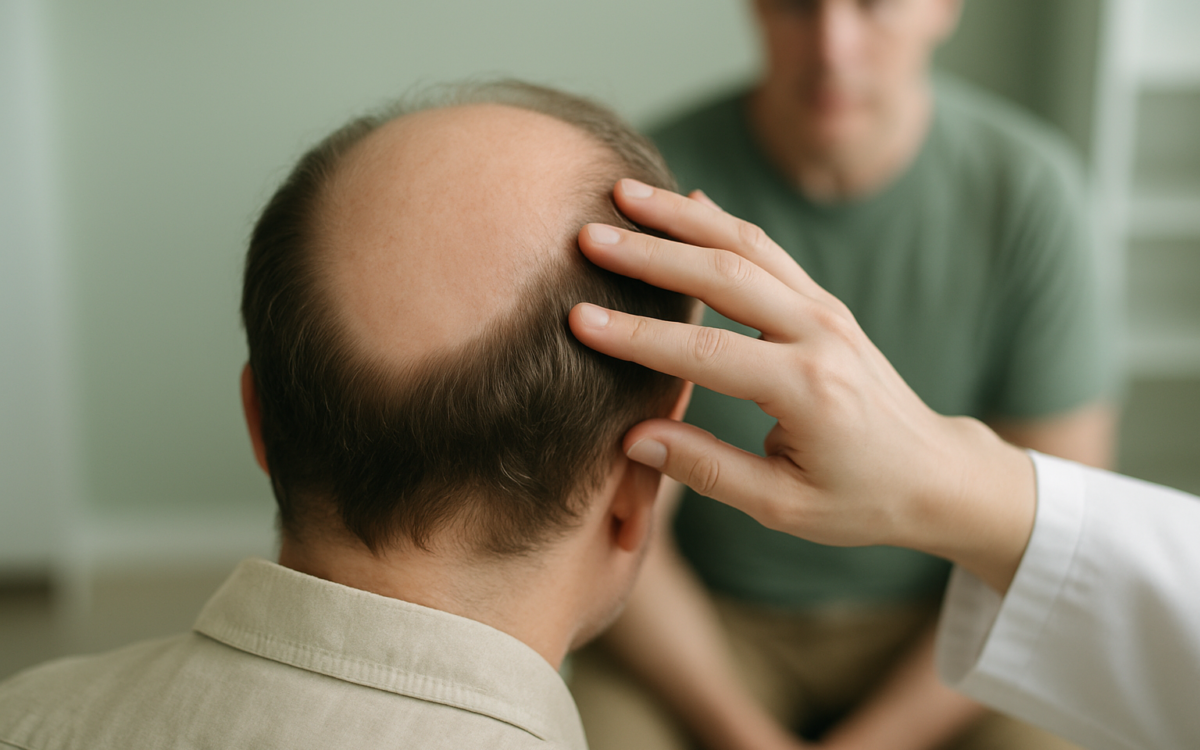
For many, the journey through life includes some changing appearances, and for some, that means experiencing hair loss. Whether you’re just starting to notice thinning or you’ve been dealing with it for years, understanding balding patterns can help you navigate your options. In this article, we’ll look at various balding patterns, possible causes, and ways to manage hair loss.
What are balding patterns?
Balding patterns refer to the specific ways hair loss occurs, often characterized by different shapes, sizes, and locations on the scalp. The most common form of hair loss is called androgenetic alopecia, also known as male or female pattern baldness. This condition affects millions worldwide and can differ significantly between genders.
Common types of balding patterns
Here are some typical balding patterns:
- Male pattern baldness: This is characterized by a receding hairline and thinning at the crown. It typically follows a predictable pattern, often starting at the temples and progressing towards the top of the head.
- Female pattern hair loss: Women generally experience thinning hair all over their scalp, with a widening part or a less dense appearance. Unlike men, they usually do not develop a receding hairline.
- Patchy hair loss: Known as alopecia areata, this condition can cause sudden and unpredictable hair loss in circular patches. It is thought to be an autoimmune condition but can affect both men and women.
- Telogen effluvium: This temporary form of hair loss can occur after stress, illness, or hormonal changes. You may notice increased hair shedding rather than bald patches.
What causes balding patterns?
Several factors contribute to the development of different balding patterns, including:
- Genetics: Family history plays a significant role in hair loss. If your parents or grandparents experienced balding, it’s likely you may too. Studies suggest that certain genetic markers can increase your likelihood of experiencing androgenetic alopecia (NIH).
- Hormones: Hormonal changes, particularly those related to androgens (male hormones), can contribute to thinning hair. Dihydrotestosterone (DHT) is a derivative of testosterone that has been linked to male pattern baldness.
- Medical conditions: Conditions such as thyroid disorders, anemia, and autoimmune diseases can cause hair loss. If you suspect an underlying health issue, consult your healthcare provider.
- Stress: Physical and emotional stress can trigger hair loss in some individuals. It is essential to consider how lifestyle factors might be influencing your overall health.
Managing balding patterns
While hair loss can feel overwhelming, several options are available to manage it:
- Medications: Products like minoxidil (Rogaine) and finasteride (Propecia) can help slow down hair loss and promote regrowth for some people. Always talk to your doctor before starting any medication.
- Hair transplants: Surgical options, such as Follicular Unit Transplantation (FUT) or Follicular Unit Extraction (FUE), can offer lasting solutions. These procedures involve relocating hair follicles from a thicker part of the scalp to the balding areas.
- Wigs and hairpieces: Many non-invasive options exist today, from wigs to hairpieces that can help restore your confidence without intrusive procedures.
- Nutrition and lifestyle: Maintaining a healthy diet rich in vitamins and minerals, particularly those important for hair health like biotin and zinc, may support hair strength and growth. Staying hydrated and managing stress effectively can also contribute to better scalp health.
Do natural remedies work?
Many people explore natural remedies ranging from essential oils to herbal supplements, looking for alternative solutions for hair loss. While certain ingredients like peppermint oil and rosemary oil have shown some promise in preliminary studies, evidence remains limited and inconsistent. It is best to approach these remedies cautiously and discuss them with your healthcare provider to ensure they align with your overall health goals.
Emotional impact of balding
Balding can have emotional consequences for many individuals. Feelings of insecurity or anxiety about appearance can arise, impacting self-esteem and mental health. Finding support through friends, family, or even support groups can be beneficial. Remember, it’s essential to prioritize your emotional well-being just as much as your physical health.
When to see a doctor
If you notice sudden or unexplained hair loss, it’s a good idea to speak with a healthcare provider. They can help determine if an underlying condition is causing your hair loss. Further, if you experience significant shedding, patchiness, or other changes in your hair and scalp, assessing your situation with a professional can lead to better management options.
In conclusion, understanding balding patterns can empower you to make informed choices about managing your hair loss. While genetics play a significant role, various treatment options are available to help you cope and feel more confident. Don’t hesitate to reach out for support, whether through your doctor, family, or friends. Remember, you’re not alone in this journey.
