
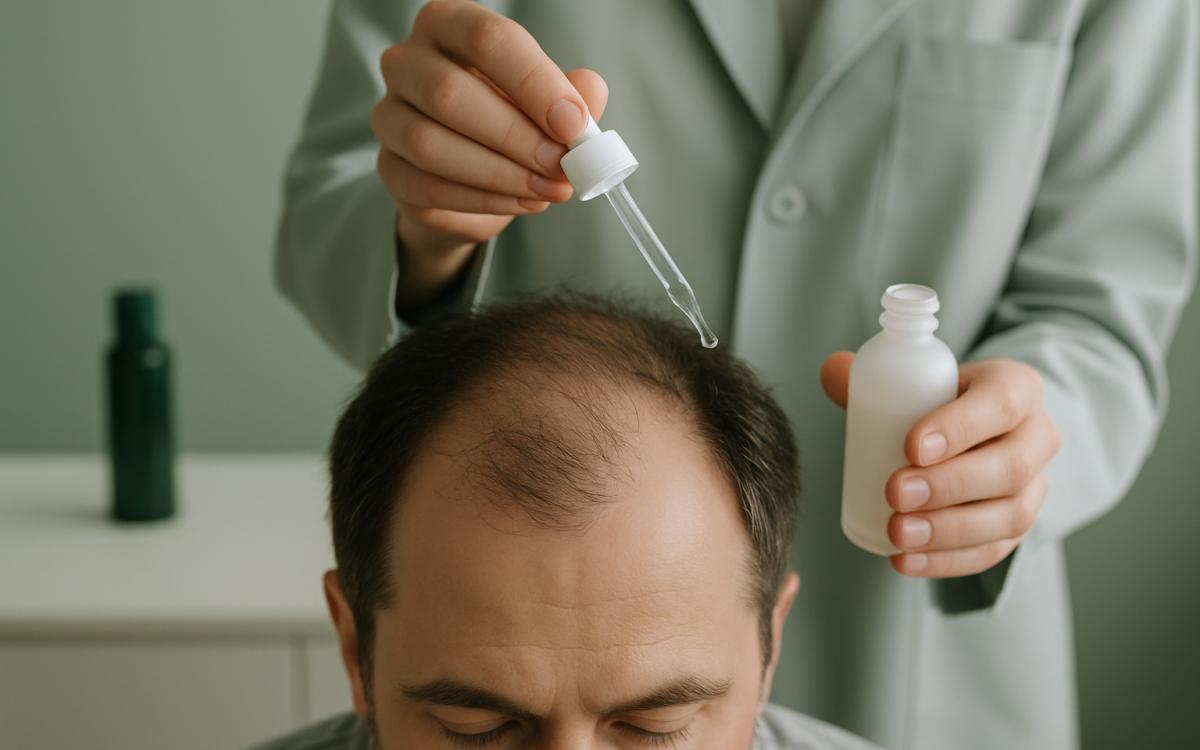
Hair loss can be a sensitive subject for many men, affecting self-esteem and how they feel about their appearance. Luckily, there are various options available to help with hair regrowth. Whether it’s over-the-counter products, lifestyle changes, or medical treatments, understanding your options can empower you to take action toward healthier hair.
Understanding Hair Loss in Men
Before diving into the best regrowth options, it’s essential to grasp why hair loss occurs in the first place. Male pattern baldness, or androgenetic alopecia, accounts for a significant portion of hair loss in men. This condition is often hereditary and is influenced by hormones.
In addition to genetic factors, other reasons for hair loss include:
- Stress
- Medical conditions (such as thyroid disorders)
- Certain medications (such as those used for cancer treatment)
- Poor nutrition or deficiency in essential vitamins and minerals
Recognizing the root cause of hair loss can help you make informed choices about how to address it.
Top Over-the-Counter Treatments
For many men, the first step in addressing hair loss is trying over-the-counter treatments. These products are accessible and can be a good starting point for those who prefer to manage their hair loss at home.
Minoxidil
Minoxidil (commonly known by brand names like Rogaine) is one of the most popular topical treatments for hair regrowth. Available in both foam and liquid formulations, it is applied directly to the scalp. Studies have shown that minoxidil can help stimulate hair growth and slow down hair loss in some men (NIH).
Finasteride
Finasteride (brand name Propecia) is a prescription oral medication that works by blocking the hormone responsible for hair loss. Unlike minoxidil, which promotes hair growth, finasteride inhibits further hair loss. Some men may experience side effects from this medication, so consulting a doctor before starting is crucial.
Natural Remedies for Hair Regrowth
If you’re open to exploring natural options, several remedies have gained attention for their potential effectiveness. While results can vary, they are generally safe and can be easily integrated into your routine.
Essential Oils
Some essential oils, like rosemary and peppermint, are believed to promote hair growth when massaged into the scalp. A study suggested that rosemary oil could be as effective as minoxidil (NIH). Remember to dilute essential oils with a carrier oil before applying them to avoid skin irritation.
Biotin and Nutritional Support
Vitamins and minerals play a significant role in hair health. Supplements like biotin, zinc, and vitamin D may help strengthen hair follicles. Including foods rich in these nutrients, such as nuts, seeds, eggs, and leafy greens, can further support your hair growth journey.
Medical Treatments for Hair Loss
For men seeking more definitive solutions, medical treatments might be the answer. If over-the-counter options and natural remedies haven’t yielded the desired results, professional treatments can offer hope.
Hair Transplant Surgery
Hair transplant surgery involves moving hair follicles from one part of your body (usually the back of your head) to areas with thinning or no hair. This surgical option can provide natural-looking results and is often permanent. Consulting a qualified dermatologist or hair restoration specialist is recommended to discuss if this option is right for you.
Platelet-Rich Plasma (PRP) Therapy
PRP therapy is an innovative approach that utilizes your body’s natural healing components. A blood sample is drawn and processed to concentrate the platelets. This plasma is then injected into the scalp, which may stimulate hair growth. Evidence supporting the effectiveness of PRP is still emerging, but some studies indicate that it may positively impact hair density.
International Options for Treatment
For those open to seeking hair treatment abroad, options like treatment in Turkey have gained popularity. The country is renowned for its affordable yet high-quality hair transplant procedures and a wide variety of clinics. Many men opt for international treatments to combine travel with medical care, making it an attractive option.
When to See a Doctor
If you notice significant hair loss or changes in your hair, it’s crucial to consult a healthcare provider. A doctor can help determine the underlying causes of your hair loss and recommend suitable options tailored to your needs. Conditions such as thyroid imbalances, nutritional deficiencies, or scalp infections require professional assessment and treatment.
Finding the Right Solution for You
Hair regrowth is a highly individualized journey. Different methods work for different people. Whether trying over-the-counter options, exploring natural remedies, or considering medical treatments, it’s essential to choose a path that aligns with your lifestyle and preferences.
Taking steps to address hair loss can also involve lifestyle changes, such as reducing stress and improving diet. Ultimately, a combination of approaches may yield the best results, and remaining patient is key. With time, dedication, and the right solution, you can regain your confidence and find the best path to healthier hair.
