
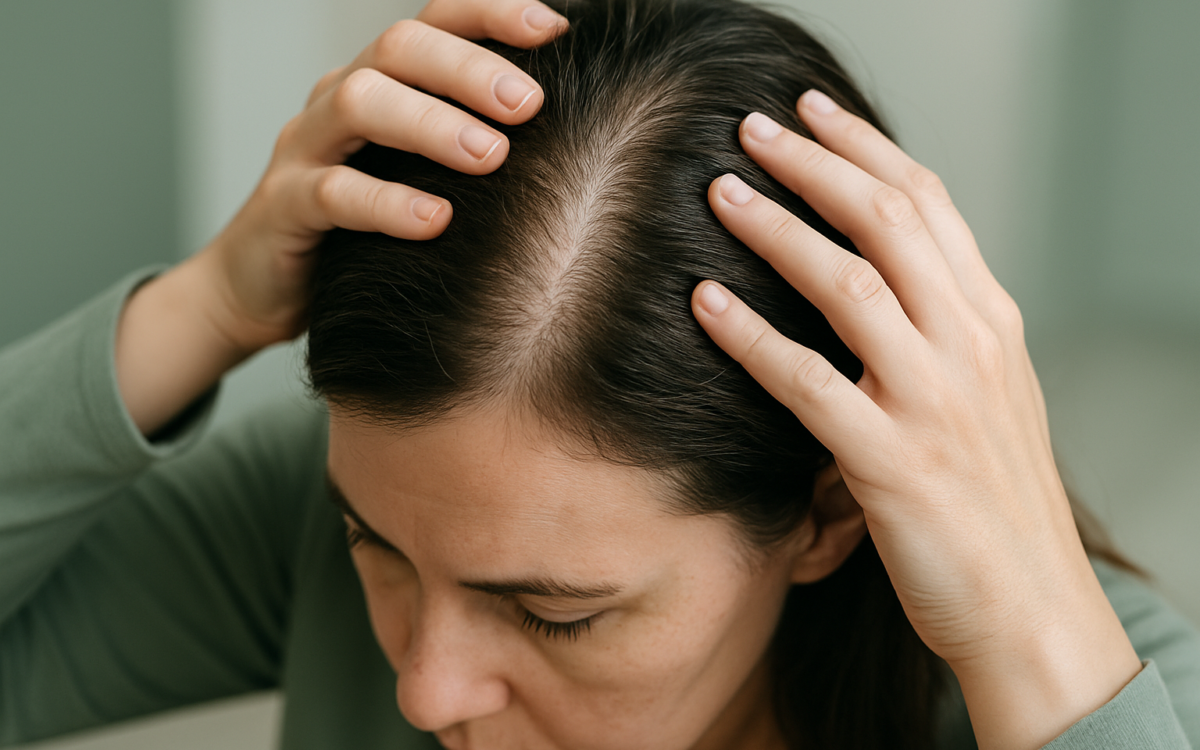
For many women, the experience of hair thinning or hair loss can be distressing. It can come as a surprise when a woman realizes her hair is thinning or that she’s losing hair in a specific pattern, particularly around the crown or part of her head. This condition, known as female pattern hair loss (FPHL), often leaves women feeling self-conscious and seeking answers. In this article, we’ll delve into what FPHL is, its causes, and the options available for management.
What Is Female Pattern Hair Loss?
Female pattern hair loss refers to a type of hair thinning that occurs in a predictable pattern and is primarily due to genetic and hormonal factors. Unlike male pattern baldness, which usually results in a receding hairline and bald spots, FPHL typically manifests as diffuse thinning over the entire scalp. In some cases, the hairline may recede, but it generally remains more intact than in male cases.
Recognizing the Symptoms
The symptoms of female pattern hair loss can vary from person to person. Some common signs include:
- Thinning hair on the top of the head.
- A widening part that becomes more visible.
- Increased hair shedding in the shower or on pillows.
- A decrease in overall hair volume.
Many women may not notice these signs until they have already experienced significant hair loss, making it essential to pay attention to changes in your hair’s appearance.
Causes of Female Pattern Hair Loss
FPHL is influenced by a combination of genetic, hormonal, and environmental factors. Understanding these elements can provide clarity on why some women experience hair loss while others do not.
Genetics
Hereditary factors play a significant role in FPHL. If family members on either side have experienced hair loss, your risk increases. Genetic predisposition can lead to a condition called androgenetic alopecia, where hair follicles shrink over time due to androgen hormones.
Hormonal Changes
The levels of certain hormones, particularly androgens, can affect hair growth. Conditions such as polycystic ovary syndrome (PCOS), thyroid dysfunction, and menopause can trigger hormonal fluctuations that may contribute to hair thinning.
Physical and Emotional Stress
Both physical stress (like illness or surgery) and emotional stress (such as grief or anxiety) can impact hair health. This is often temporary but can exacerbate underlying patterns of hair loss or trigger shedding in people already predisposed to thinning.
Diagnosis of Female Pattern Hair Loss
If you’re noticing signs of hair loss, consulting with a healthcare provider is crucial for accurate diagnosis. A diagnosis typically involves:
- A thorough medical history, including family history of hair loss.
- A physical examination of the scalp and hair.
- Blood tests to check for hormonal imbalances or other underlying health issues.
In some cases, a scalp biopsy may be performed to evaluate hair follicles. Understanding the underlying causes can guide effective treatment options.
Treatment Options for Female Pattern Hair Loss
While some women may accept hair loss as a natural part of aging, many seek treatment options to manage or reverse the effects of thinning hair. Here are some commonly discussed approaches:
Topical Treatments
Minoxidil is the only FDA-approved topical treatment for female pattern hair loss. Available over-the-counter, this solution is applied directly to the scalp and can help stimulate hair growth and slow hair loss. It may take several months to notice improvement.
Oral Medications
In some cases, healthcare providers may recommend oral medications such as spironolactone or finasteride. These medications can help counteract the effects of androgens and may be beneficial for women with hormonal imbalances.
Hair Transplant Surgery
If hair loss is significant, surgical options such as hair transplant can be considered. This procedure involves moving hair follicles from one part of the scalp to thinning areas, providing a more permanent solution to noticeable hair loss.
Low-Level Laser Therapy (LLLT)
LLLT is an emerging non-invasive treatment option that uses specific wavelengths of light to stimulate hair growth. Some clinical studies suggest it may help promote scalp circulation and hair follicle health.
Coping with Female Pattern Hair Loss
Dealing with hair loss can be emotionally challenging. Here are some strategies to help cope:
- Embrace Your Style: Consider trying new hairstyles or haircuts that may make thinning less noticeable.
- Wigs and Hairpieces: These options can provide a boost of confidence while you seek treatment.
- Support Groups: Connecting with others who experience similar challenges can help alleviate feelings of isolation.
- Educate Yourself: Understanding the condition can empower you to make informed decisions about your treatment and coping strategies.
When to See a Doctor
If you’re experiencing significant hair thinning or loss, it’s a good idea to consult a healthcare professional. Early intervention can be essential in identifying treatments that may work for you. Additionally, discussing underlying health concerns such as hormonal imbalances or nutritional deficiencies may also benefit your overall well-being. A proper diagnosis and treatment plan from a qualified provider can help you navigate your experience with hair loss.
For more information on female pattern hair loss, you can visit the Mayo Clinic or the National Institutes of Health.
In summary, female pattern hair loss is a common issue that can stem from various factors. By staying informed and seeking support, women can find ways to manage their hair loss effectively and maintain their confidence.
