
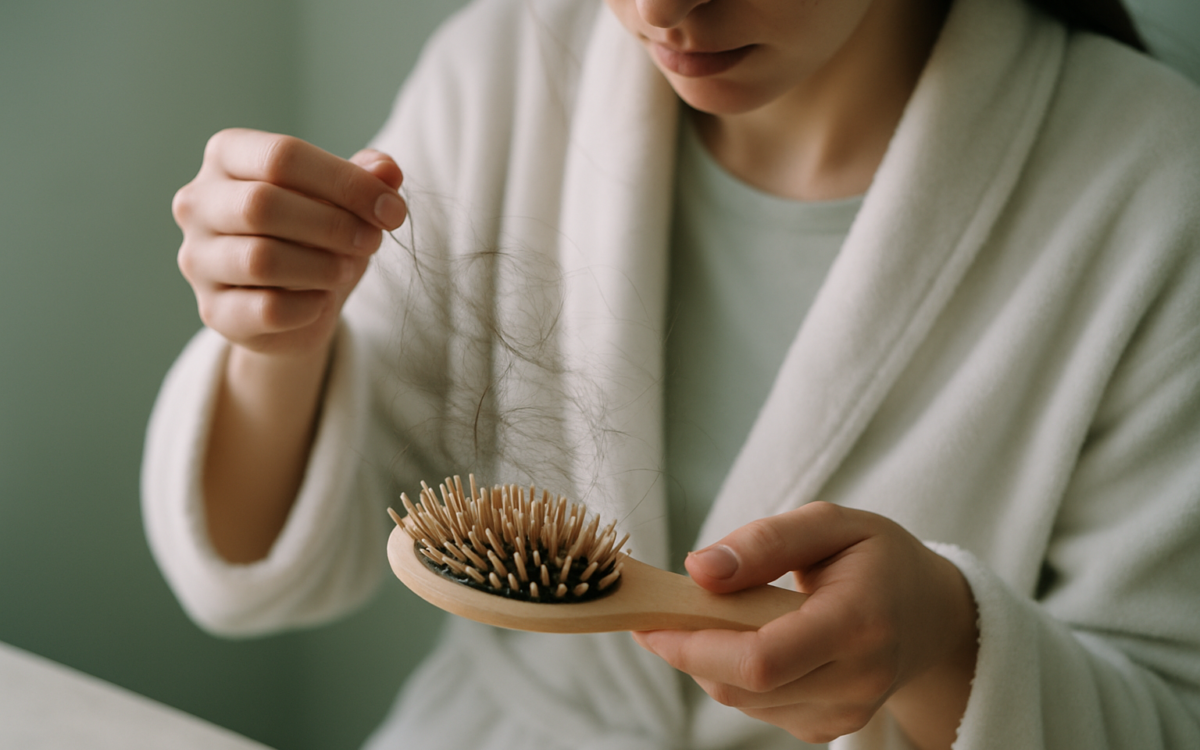
Hair is often considered a symbol of identity and confidence. When people notice more strands on their brush or pillow, it can lead to worry. Understanding why hair shedding occurs and how to manage it can help ease those concerns. This article breaks down the causes of hair shedding, identifies key factors that contribute to it, and presents ways to support your hair health.
What is Hair Shedding?
Hair shedding is a natural part of the hair growth cycle. In fact, it’s normal to lose 50 to 100 hairs a day as part of your body’s routine. However, if you notice excessive hair loss, it might be time to investigate further. Factors like stress, hormonal changes, medication, and nutritional deficiencies can all play a role in increased shedding.
Common Causes of Hair Shedding
- Stress: High levels of stress can trigger hair shedding, a condition known as telogen effluvium. Stressful situations might lead to more hair follicles entering the shedding phase.
- Hormonal Changes: Hormonal fluctuations due to puberty, pregnancy, menopause, or thyroid issues can lead to hair loss. For men, conditions such as low testosterone can also impact hair health.
- Nutrition: A diet lacking in essential nutrients such as vitamins, minerals, and proteins can contribute to hair thinning. Iron deficiency, in particular, has been linked to increased hair loss in both men and women.
- Medications: Certain medications, including those for blood pressure, cancer treatments, and antidepressants, may also cause hair shedding as a side effect. Always consult your healthcare provider if you notice changes after starting a new medication.
Types of Hair Loss to Know
Not all hair loss is the same, and recognizing different types can help you understand the underlying issues:
- Androgenetic Alopecia: Often called male-pattern baldness, this genetic condition can cause hair to thin gradually, usually starting at the temples or crown.
- Alopecia Areata: This autoimmune disease can cause sudden, patchy hair loss. It’s often temporary, but in some cases, it can lead to complete hair loss.
- Telogen Effluvium: Triggered by stress, illness, or changes in hormonal levels, this type usually presents as diffuse hair loss across the scalp.
How to Support Hair Health
While some factors causing hair shedding may be out of your control, there are several habits and practices you can incorporate into your daily routine to support your hair health:
- Maintain a Balanced Diet: Include plenty of fruits, vegetables, lean proteins, and healthy fats in your meals. Nutrients like biotin, vitamin D, zinc, and omega-3 fatty acids are particularly important for hair health.
- Manage Stress: Engage in activities that help reduce stress such as yoga, meditation, or hobbies that you enjoy. Physical activity, such as walking or swimming, can also help alleviate stress.
- Gentle Hair Care: Use mild shampoos and conditioners, and avoid excessive heat styling or harsh treatments. Be gentle when brushing to prevent unnecessary breakage.
- Stay Hydrated: Drinking enough water supports overall health, including your hair. Aim for at least eight glasses a day.
Popular Myths About Hair Shedding
Misconceptions regarding hair shedding abound. Here are a few common myths debunked:
- Myth: Washing hair causes more shedding. Fact: Regular washing helps keep the scalp clean and can prevent build-up that may harm hair. If you notice more shedding while washing, it may simply be loose hair coming out during the normal shedding cycle.
- Myth: Hair loss is irreversible. Fact: Depending on the cause, many types of hair loss can be treated or even reversed with appropriate interventions.
- Myth: Cutting hair makes it grow back thicker. Fact: Hair growth rate and thickness are determined by genetics, not by cutting.
When to See a Doctor
While occasional hair shedding is normal, consulting a doctor might be necessary if you notice:
- Significant hair loss over a short period
- Unexplained patchy bald spots
- Other symptoms, such as itching or redness on the scalp
Seeking professional guidance can help identify the root cause and determine the best course of action.
Conclusion
Understanding hair shedding can help you recognize what’s normal and when to seek help. By leading a healthy lifestyle, managing stress, and staying informed, you can take proactive steps towards maintaining your hair health. Always remember, if you have concerns, consulting a healthcare professional is the best course of action.
