
For many, hair loss can be a distressing and challenging experience. Whether it’s just a few strands or a significant thinning of your locks, understanding the reasons behind balding and the options available to manage it can empower you to take action. In this article, we’ll explore various strategies to help you stop balding and promote healthy hair growth.
Understanding the Causes of Balding
Balding, or androgenetic alopecia, affects millions of men and women worldwide. While genetics play a pivotal role, several other factors can contribute to hair loss:
- Hormonal Changes: Hormones, particularly dihydrotestosterone (DHT), can affect hair follicles and lead to thinning hair.
- Age: As we age, hair growth can slow down, resulting in some loss of fullness.
- Stress: Both physical and emotional stress can trigger temporary shedding of hair.
- Medical Conditions: Conditions like thyroid disease, alopecia areata, and scalp infections can cause hair loss.
- Poor Nutrition: Lack of essential nutrients, such as vitamins and minerals, can hinder hair growth.
Preventive Measures You Can Take
Taking action early can help slow down hair loss. Here are some preventive steps you can consider:
- Healthy Diet: Ensure you consume a balanced diet rich in proteins, vitamins (especially A, C, D, and E), and minerals like zinc and iron. Foods like salmon, nuts, beans, and leafy greens can promote hair health.
- Stay Hydrated: Drink plenty of water to keep your body and scalp hydrated.
- Avoid Stress: Engage in stress-relief activities such as yoga, meditation, or regular exercise.
- Hair Care Routine: Be gentle with your hair. Avoid hairstyles that pull on the hair and minimize the use of heat styling tools.
Treatment Options for Balding
If preventive measures aren’t enough, several treatment options are available that can help you manage hair loss effectively.
Medication
Two primary medications are FDA-approved for hair loss:
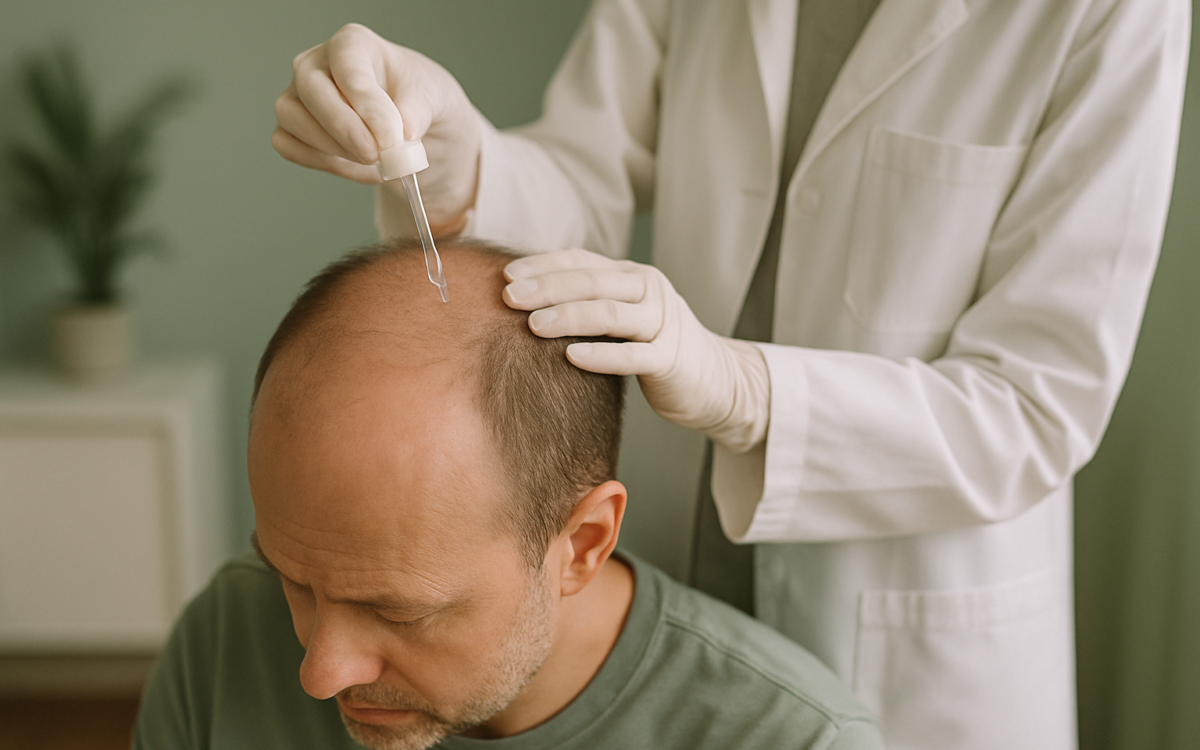
- Minoxidil: An over-the-counter topical solution applied directly to the scalp. It helps stimulate hair growth and is suitable for both men and women.
- Finasteride: A prescription pill that reduces DHT levels, thus slowing hair loss in men.
Hair Transplant Surgery
For those looking for a more permanent solution, hair transplant surgery may be an option. This involves taking hair follicles from a denser area of your scalp and transplanting them to the balding areas. Consider consulting with specialists at places like Acibadem International for quality treatment options.
Laser Therapy
Low-level laser therapy (LLLT) is a newer treatment that helps stimulate hair follicles using laser light. Research shows it can be effective in promoting hair growth.
The Role of Lifestyle Changes
Your everyday habits can significantly impact hair health. Here are some lifestyle changes you might consider:
- Quit Smoking: Smoking can contribute to hair loss by restricting blood flow to the scalp and damaging hair follicles.
- Limit Alcohol Consumption: Excessive alcohol can lead to nutritional deficiencies that may affect hair health.
- Regular Exercise: Engaging in physical activity enhances blood circulation, including to the scalp, which can help nourish hair follicles.
Emotional Support and Counseling
Experiencing hair loss can have emotional effects. It’s essential to address these feelings. Seeking support from friends, family, or even professional counseling can help you cope with the emotional impact of balding.
When to See a Doctor
If you’re concerned about sudden or extensive hair loss, it may be time to consult a doctor or dermatologist. They can assess your condition, investigate any underlying health issues, and recommend appropriate treatments. Keep an eye out for any other symptoms that may accompany hair loss, such as itching, redness, or scalp sensitivity.
Taking action sooner rather than later gives you the best chance of managing balding effectively. Every person’s hair growth journey is unique, so it’s essential to find the right options that work for you. With a combination of healthy habits and treatment possibilities, you can take charge of your hair health.
