
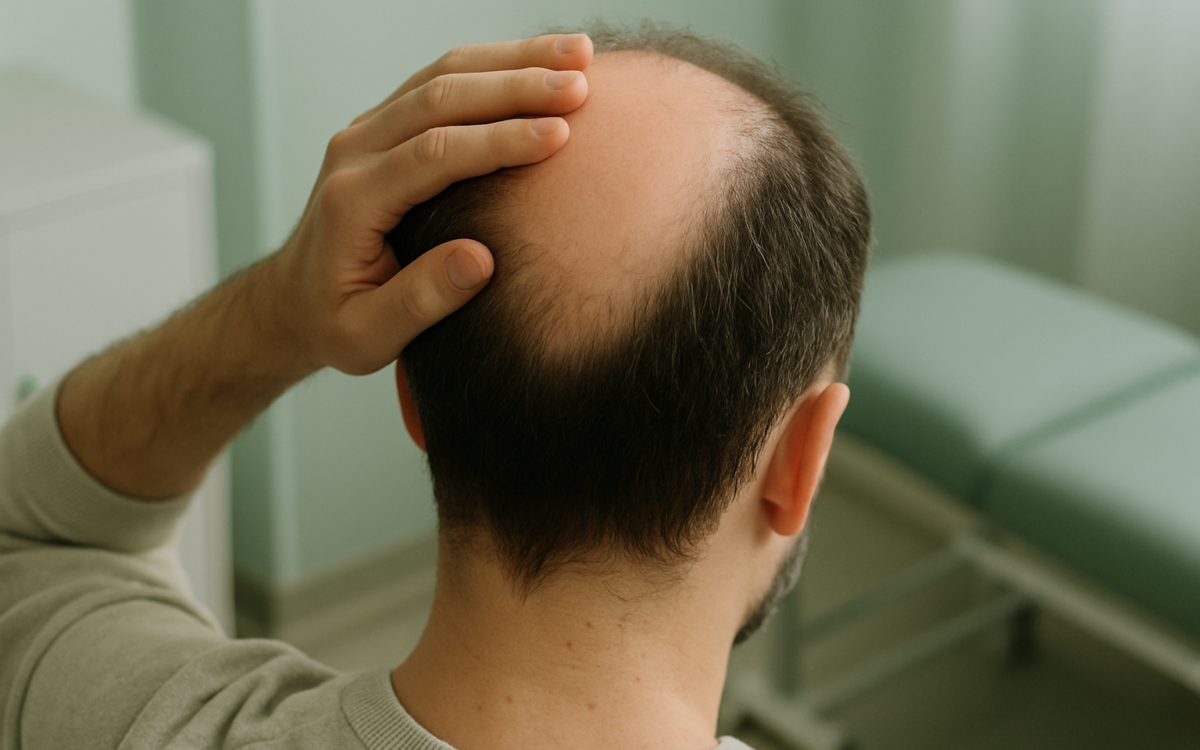
For many men, hair loss is not just a cosmetic issue; it can affect self-esteem and confidence. Male baldness, or hair loss, can happen to anyone, but understanding its causes and options can empower you. This article will delve into the types, causes, treatments, and mental health implications of male baldness.
Types of Male Baldness
Male baldness primarily manifests as two types: androgenetic alopecia and thinning hair. Each comes with distinct characteristics:
- Androgenetic Alopecia: This is the most common type, often referred to as male pattern baldness. It typically starts with a receding hairline and progresses to thinning on the crown, eventually leading to partial or complete baldness.
- Thinning Hair: Some men may experience general thinning of hair without complete baldness. This can result from a variety of factors, including aging, stress, or poor nutrition.
Causes of Male Baldness
Understanding the root causes of male baldness can help demystify the process:
Genetics
Genetic predisposition plays a significant role. If your family has a history of baldness, you might be more likely to experience it yourself. This condition is often linked to androgen hormones, especially dihydrotestosterone (DHT).
Hormonal Changes
Hormonal fluctuations, especially changes in testosterone levels, can impact hair health. Later in life, men may experience increased levels of DHT, leading to hair follicle shrinkage.
Lifestyle Factors
Various lifestyle factors, including stress, diet, and smoking, can also contribute to hair loss. Stress can trigger a condition called telogen effluvium, where hair prematurely enters the resting phase and falls out. A poor diet lacking necessary nutrients like vitamins and minerals can weaken hair follicles.
Diagnosing Male Baldness
Receiving a diagnosis is essential for understanding your specific case of baldness. A visit to a healthcare provider will typically involve:
- Reviewing your medical history
- Examining your hair and scalp
- Conducting blood tests (if needed) to rule out other conditions
In some cases, scalp biopsies may be conducted to diagnose specific conditions related to hair loss. Understanding the nature of your baldness can guide your options for management.
Treatment Options for Male Baldness
Though male baldness can be challenging, various treatments are available:
Medications
Two FDA-approved medications for treating male pattern baldness are:
- Finasteride: This medication works by inhibiting the conversion of testosterone to DHT, thereby reducing hair loss.
- Minoxidil: Applied topically, minoxidil works by promoting blood flow to hair follicles and can encourage hair regrowth in some men.
Surgical Options
For men seeking more permanent solutions, hair transplant surgery is an option. This involves moving hair follicles from a denser area of the scalp to the balding regions. It is crucial to consult with a qualified surgeon to explore this option fully.
Alternative Therapies
Some men explore alternative treatments, such as laser hair therapy or natural supplements. However, the effectiveness of these methods can vary, and it’s wise to approach them cautiously. Always discuss any alternative treatments with a healthcare provider.
Mental Health and Hair Loss
Baldness can have psychological effects. Some men may experience low self-esteem or anxiety as a result of hair loss. It’s important to recognize these feelings and seek support if needed. Talking with friends, family, or mental health professionals can help address the emotional impacts associated with changing appearance.
When to See a Doctor
If you’re experiencing noticeable hair loss or changes in your hair, consider consulting a healthcare professional. Early assessment can help identify possible causes and appropriate treatment options. It’s crucial to differentiate between normal hair loss and conditions requiring intervention.
More information about hair loss can be found through reputable sources like Mayo Clinic and NIH.
Conclusion
Male baldness is a common experience that affects many men at different stages in life. By understanding the types and causes, recognizing symptoms, and exploring treatment options, you can take informed steps. Remember that it is completely normal to experience these changes, and support is always available for both physical and emotional health.
