
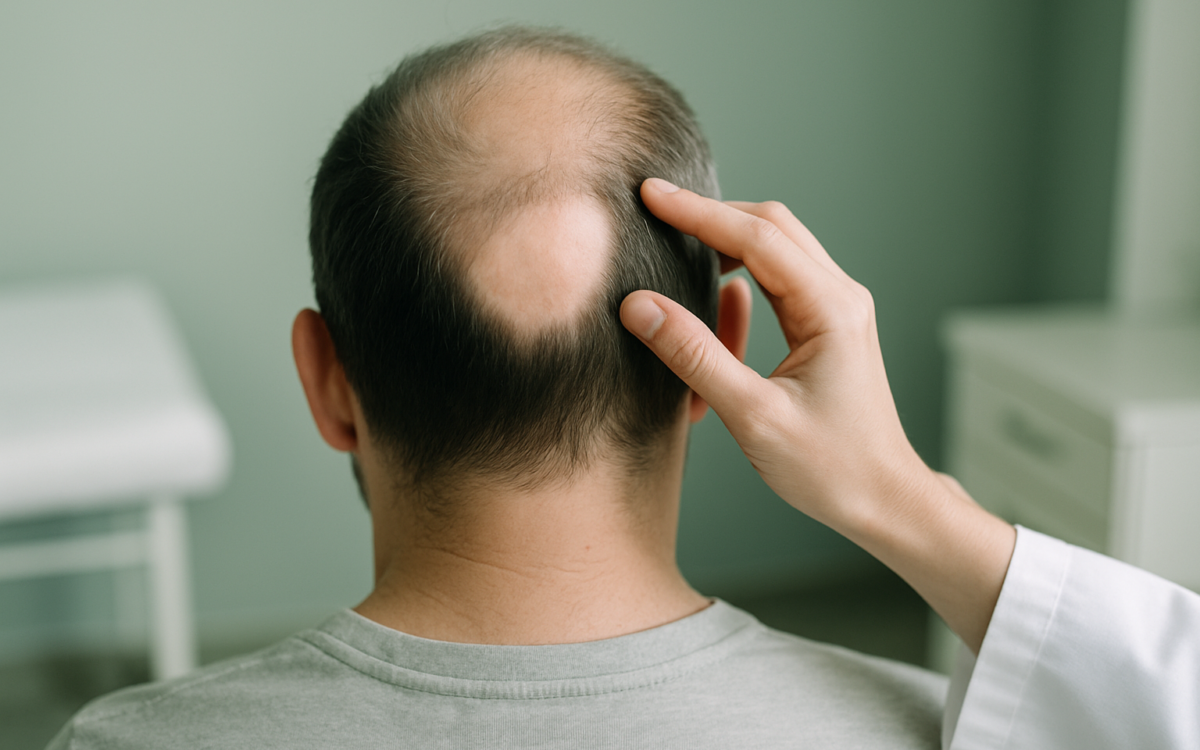
Bald spots on the head can be a source of concern for many individuals. Whether they stem from genetics, stress, or medical conditions, these patches can affect your self-esteem. Understanding the causes and available solutions can empower you to address these areas of concern confidently. In this article, we’ll explore different options to patch bald spots while also emphasizing the importance of consulting healthcare professionals for personalized advice.
What Causes Bald Spots?
Bald spots can occur for various reasons, including:
- Alopecia Areata: An autoimmune condition that causes sudden hair loss in patches.
- Androgenetic Alopecia: A hereditary condition known as male or female pattern baldness that affects many individuals over time.
- Traction Alopecia: Excessive pulling on hair due to tight hairstyles can lead to hair loss around the impacted areas.
- Stress and Hormonal Changes: Major life events, hormonal changes, or changes in diet can also trigger temporary hair loss.
- Skin Conditions: Certain conditions like psoriasis or fungal infections can contribute to bald spots.
Understanding the cause of hair loss is vital as it guides your approach to treatment. Consulting with a healthcare professional can help you get an accurate diagnosis.
Non-Surgical Treatments
If you’re looking to patch a bald spot without surgical intervention, several non-invasive options can help stimulate hair growth:
- Minoxidil: An over-the-counter topical medication that promotes hair growth in both men and women. Available in liquid or foam, it’s applied directly to the scalp.
- Finasteride: A prescription pill for men that works by inhibiting hormones responsible for hair loss and supporting hair regrowth.
- Platelet-Rich Plasma (PRP) Therapy: A treatment where a healthcare provider injects your own blood platelets into the scalp, promoting healing and growth.
- Hair Loss Shampoos: Specially formulated shampoos containing ingredients like ketoconazole or caffeine can help maintain scalp health and stimulate hair follicles.
These options can vary in effectiveness among individuals; therefore, it’s wise to discuss them with a healthcare provider before starting any regimen.
Natural Remedies and Lifestyle Changes
In addition to medical treatments, some people prefer natural remedies to support scalp health and hair growth:
- Essential Oils: Oils like rosemary, peppermint, and lavender have been linked to improved hair growth when massaged into the scalp.
- Balanced Diet: A diet rich in vitamins and minerals, particularly biotin, zinc, and vitamins A and D, can support hair health.
- Stress Management: Techniques such as yoga, meditation, or regular physical activity can help manage stress, potentially reducing hair loss caused by anxiety.
While these remedies may not work for everyone, they can be beneficial when combined with other treatments.
Cosmetic Solutions
If you’re looking for instant coverage for bald spots, several cosmetic solutions are available:
- Hair Fibers: These colored fibers adhere to existing hair and the scalp, creating the illusion of fuller hair.
- Hairpieces or Wigs: High-quality wigs or hairpieces can effectively cover bald spots, designed to blend seamlessly with your natural hair.
- Scalp Micropigmentation: A cosmetic tattoo that gives the appearance of hair follicles, effectively camouflaging bald areas.
These cosmetic solutions can provide immediate results while you explore long-term treatments for hair loss.
When to Seek Professional Help
Understanding when to consult a doctor is essential for managing bald spots effectively. Here are some indicators that professional help may be necessary:
- Rapid loss of hair over a short period.
- Symptoms of scalp irritation, redness, or blistering.
- A family history of significant hair loss or baldness.
- Changes in hair growth patterns or texture.
If you notice any of these symptoms, it’s crucial to consult a healthcare professional. They can recommend appropriate testing, diagnose underlying conditions, and discuss treatment options tailored to your needs. The National Institutes of Health (NIH) provides a wealth of information regarding hair loss and the various underlying conditions associated with it (source).
Conclusion
Patching a bald spot on your head involves understanding the root cause and exploring various treatment options. From medical treatments and natural remedies to cosmetic solutions, many pathways can help you regain confidence in your appearance. Always remember to consult with a healthcare professional to discuss the best approach for your situation. Taking charge of your hair health can be empowering and lead to positive outcomes.
