
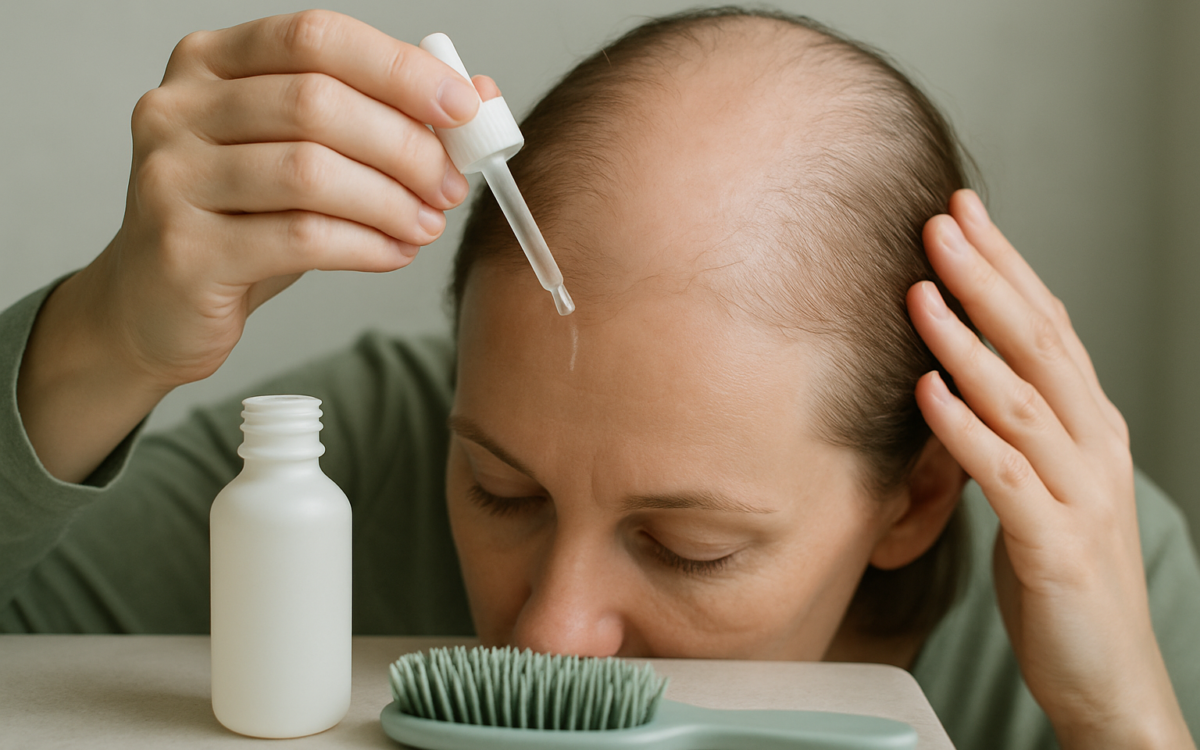
Hair loss can be a sensitive topic, especially for women. The sudden thinning or balding of hair can evoke a mix of emotions, from frustration to self-consciousness. However, understanding the causes and exploring various remedies can bring not only hope but also effective solutions. In this article, we will delve into women’s baldness remedies, providing insights on different treatment options and coping strategies.
Understanding Women’s Baldness
Baldness in women can occur for reasons ranging from genetics to hormonal changes. Female pattern hair loss, medically known as androgenetic alopecia, is common and typically leads to thinner hair at the crown or overall thinning. Other factors such as stress, nutritional deficiencies, and certain medical conditions can also contribute to hair loss.
Over-the-Counter Treatments
Many women first turn to over-the-counter (OTC) treatments when facing hair loss. One of the most popular options is minoxidil, available in liquid or foam form. This topical solution is FDA-approved for both men and women and can help stimulate hair growth. Studies have shown that about 50% of women see some improvement after four to six months of consistent use (NIH). It’s important to follow the instructions carefully to avoid potential side effects.
Natural Remedies for Hair Growth
If you prefer a more natural approach, there are several remedies that some women find beneficial. While scientific evidence may be limited, many natural ingredients are known for their positive effects on hair health:
- Essential Oils: Oils like rosemary, peppermint, and lavender can promote hair growth and improve scalp health. You can mix these oils with a carrier oil and massage them into your scalp.
- Aloe Vera: Known for its soothing properties, aloe vera may help reduce scalp inflammation and improve hair strength.
- Biotin and Nutritional Supplements: Biotin, a B vitamin, along with other vitamins like vitamin D and omega-3 fatty acids, supports overall hair health. Consider discussing supplements with your doctor or a nutritionist.
Medical Treatments and Procedures
For women looking for more intensive treatments, medical options are available. These may require a consultation with a dermatologist or hair specialist:
Prescription Medications
In addition to minoxidil, a healthcare provider may prescribe medications like spironolactone, which can help manage hair loss by blocking androgens. This is especially helpful for women experiencing hormonal hair loss.
Hair Transplant Surgery
Hair transplant procedures are another option for some women. These surgical techniques involve moving hair follicles from one part of the body to areas that have thinned. If you’re considering this route, it’s advisable to consult with a qualified professional to understand the risks and benefits.
Exploring International Treatment Options
Many women are seeking treatments beyond their local options. Some international clinics specialize in advanced hair restoration methods, offering cutting-edge procedures that may not be widely available in every country. Visiting resources like acibademinternational.com can provide insights into specialized clinics that focus on hair loss treatments. Researching and ensuring the legitimacy and success rates of these clinics is crucial before making any decisions.
Coping with Emotional Stress of Hair Loss
Women experiencing hair loss may also struggle with self-esteem and body image. Learning how to manage the emotional impact can be as important as finding a remedy. Consider joining support groups where women can share their experiences and coping strategies. Talking openly with friends, family, or a therapist can also provide necessary support. A positive approach to self-image can help ease anxiety about hair loss.
Lifestyle Adjustments
Implementing simple lifestyle adjustments can complement both the treatment of hair loss and your overall well-being. Here are some suggestions:
- Balanced Diet: Consuming a diet rich in vitamins, minerals, and protein can boost hair growth. Include plenty of fruits, vegetables, whole grains, and lean meats in your meals.
- Avoiding Harsh Treatments: Minimize the use of heat styling tools and harsh chemicals to reduce damage to your hair.
- Stress Management: Practice stress-relieving activities such as yoga, meditation, or regular exercise. Reducing stress can positively impact hair health.
When to See a Doctor
If your hair loss is sudden, patchy, or continues despite trying OTC treatments, it’s essential to consult a healthcare provider. They can help identify the underlying cause and recommend appropriate treatment options tailored to your needs.
In conclusion, while hair loss can be distressing, many remedies and approaches can help women regain their confidence. From OTC treatments to lifestyle changes and emotional support, finding the right combination is key. Stay informed and discuss your options with a healthcare provider for the best results on your journey to healthier hair.
