
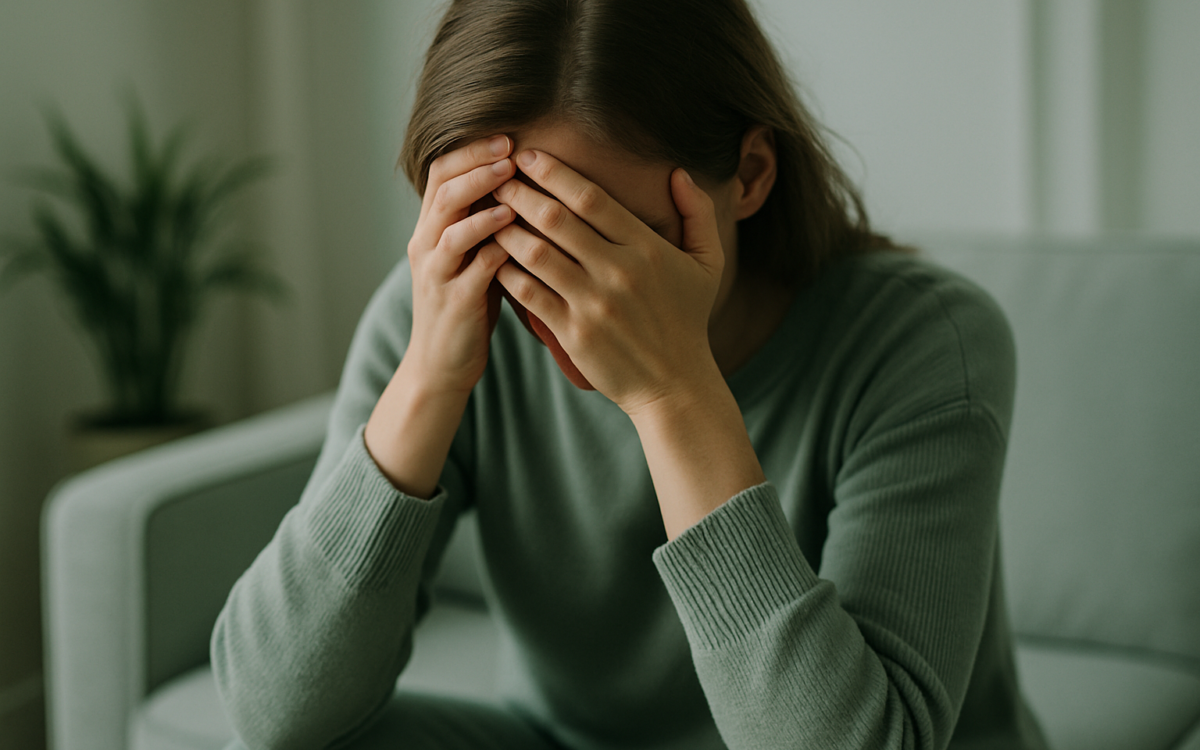
Anxiety is a common experience for many people. However, when anxiety becomes overwhelming and persistent, it can feel crippling. This type of anxiety often interferes with daily life, making it challenging to perform even routine tasks. In this article, we will explore what crippling anxiety is, its symptoms, causes, and practical approaches to managing it.
What is crippling anxiety?
Crippling anxiety refers to extreme levels of fear or worry that can restrict day-to-day activities. While everyone experiences anxiety at some point, crippling anxiety can lead to feelings of being trapped or immobilized by fear. It can manifest in both emotional and physical ways, making it a serious emotional challenge.
Common symptoms of crippling anxiety
The symptoms of crippling anxiety can vary from person to person. However, some common indicators include:
- Constant worry: A persistent feeling of dread about everyday situations.
- Panic attacks: Sudden episodes of intense fear accompanied by physical symptoms such as a racing heart, sweating, or trembling.
- Social withdrawal: Avoiding social situations or interactions due to excessive fear of judgment or embarrassment.
- Physical symptoms: Headaches, stomachaches, fatigue, and trouble sleeping can all be linked to anxiety.
- Difficulty concentrating: Feeling easily distracted, forgetful, or mentally foggy is a common struggle.
Possible causes of crippling anxiety
Understanding the potential causes of crippling anxiety can be a helpful step in addressing it. While the exact cause is often multifaceted, several factors may contribute:
Genetics
Research suggests that anxiety disorders can run in families, indicating a genetic predisposition. If you have a family history of anxiety or related disorders, you may be more prone to experiencing crippling anxiety yourself.
Brain chemistry
Chemicals in the brain, known as neurotransmitters, play a significant role in regulating mood and fear responses. An imbalance of these chemicals can contribute to anxiety disorders. For instance, serotonin and dopamine are crucial for regulating mood, and their imbalance may lead to heightened anxiety.
Life experiences
Traumatic or stressful life events, such as the loss of a loved one, illness, or abuse, can trigger anxiety. Even everyday stressors, if accumulated, can lead to crippling anxiety over time.
Personality traits
Your personality may also play a role. Individuals who tend to be perfectionists, are overly self-critical, or have low self-esteem are often more susceptible to anxiety.
Strategies for managing crippling anxiety
If you or someone you know is facing crippling anxiety, there are several strategies that may help alleviate symptoms:
1. Mindfulness and relaxation techniques
Practicing mindfulness through meditation, deep breathing exercises, or yoga can help calm the mind. These practices encourage focusing on the present moment, reducing the cycle of anxious thoughts.
2. Physical activity
Regular exercise is a powerful stress reducer. It releases endorphins, the body’s natural mood lifters. Engaging in activities like walking, jogging, or dancing can significantly improve overall mental health.
3. Stay connected
Maintaining relationships with friends and family can provide a much-needed support system. Talking about your feelings with trusted individuals can ease the burden of anxiety and allow you to express what you are going through.
4. Set realistic goals
Break tasks into smaller, manageable steps rather than overwhelming yourself with large goals. Celebrate small achievements to build confidence and reduce feelings of inadequacy.
5. Professional help
If anxiety becomes unmanageable, seeking professional help is essential. Speaking with a therapist or counselor can offer deeper insights and coping strategies tailored to individual needs. Therapy approaches, including cognitive-behavioral therapy (CBT), have shown effectiveness in treating anxiety disorders.
When to see a doctor
If anxiety begins to affect your ability to function in daily life, it’s essential to consult a healthcare professional. Signs to watch for include:
- Panic attacks occurring frequently.
- Persistent feelings of sadness or hopelessness.
- Physical symptoms, such as chronic headaches or stomach issues, without a clear medical cause.
- Inability to complete everyday tasks due to anxiety.
Do not hesitate to seek guidance from a doctor or mental health professional if you are feeling overwhelmed.
Conclusion
Crippling anxiety can significantly impact your life, but understanding it is the first step toward managing it. By recognizing the symptoms, exploring potential causes, and implementing effective coping strategies, individuals can work towards alleviating their anxiety. Remember, help is always available, and you don’t have to face this alone.
