
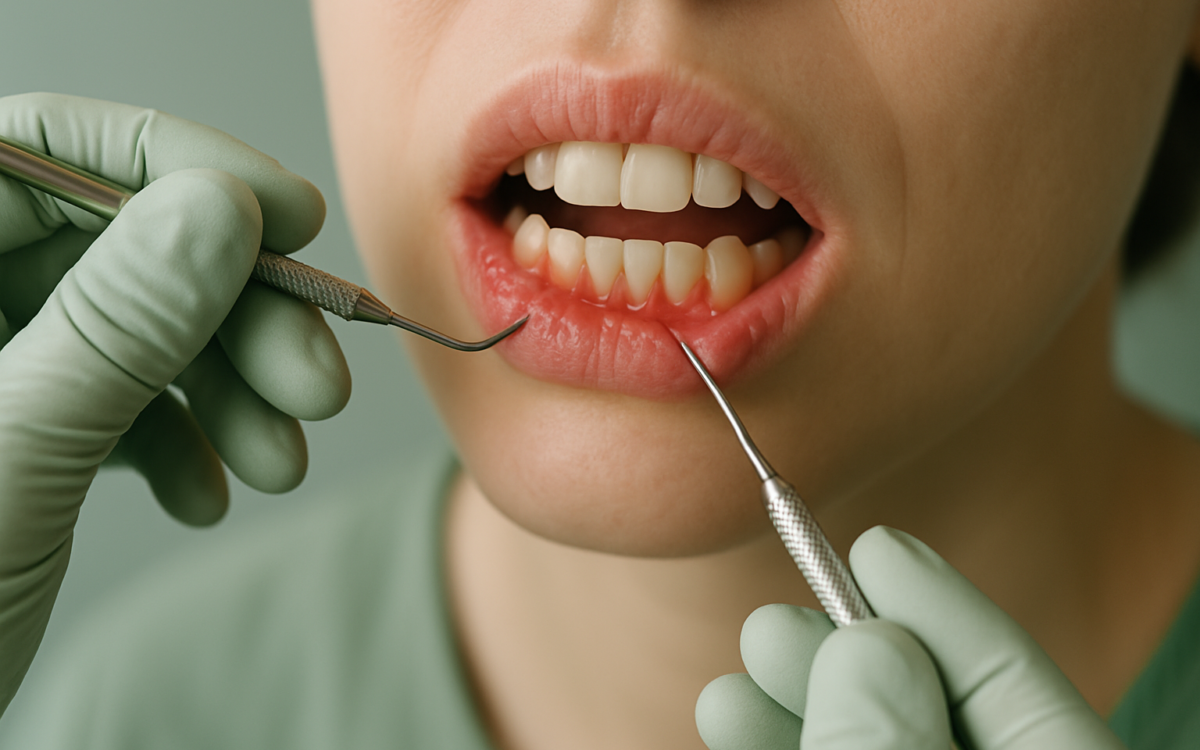
Your gums play an essential role in your overall dental health. They support your teeth, helping to keep them in place while also acting as a barrier against infection. However, neglecting your oral hygiene can lead to gingivitis, a common but treatable gum disease. Understanding this condition is vital for maintaining healthy gums and a bright smile.
What is Gingivitis?
Gingivitis is the earliest form of gum disease characterized by inflammation of the gums. It usually arises from poor oral hygiene, which leads to plaque build-up on the teeth. Plaque is a soft, sticky film of bacteria that forms on your teeth and can harden into tartar if not removed. When this happens, it irritates the gum tissue, causing redness, swelling, and bleeding.
Signs and Symptoms of Gingivitis
Gingivitis may not cause pain in its early stages, making it easy to ignore. However, there are several signs to look out for:
- Red or swollen gums: Healthy gums are firm and pink. If they become red and puffy, it may be a sign of gingivitis.
- Bleeding gums: If your gums bleed when brushing or flossing, it’s a crucial indicator of gum disease.
- Bad breath: Persistent bad breath can be a symptom, as bacteria build up in the mouth.
- Receding gums: Gums might start to pull away from your teeth, leading to increased tooth sensitivity.
Causes of Gingivitis
Several factors can contribute to the development of gingivitis, including:
- Poor oral hygiene: Not brushing and flossing regularly leads to plaque accumulation.
- Tobacco use: Smoking or chewing tobacco can interfere with gum health.
- Hormonal changes: Changes during puberty, menstruation, pregnancy, or menopause can make gums more sensitive and prone to inflammation.
- Certain health conditions: Diabetes, HIV/AIDS, and autoimmune diseases can increase the risk of gum issues.
- Medications: Some drugs that reduce saliva flow can increase the risk of gingivitis, as saliva helps wash away food particles and bacteria.
How to Prevent Gingivitis
Preventing gingivitis involves maintaining good oral hygiene and adopting healthy habits. Here are some essential tips:
- Brush regularly: Brush your teeth at least twice a day with fluoride toothpaste to remove plaque. Don’t forget to brush your tongue too!
- Floss daily: Flossing helps remove food particles and plaque from between your teeth and under the gum line where your toothbrush may not reach.
- Regular dental check-ups: Visit your dentist for cleanings and check-ups at least twice a year. They can spot early signs of gingivitis and clean away tartar.
- Healthy diet: Eating a balanced diet rich in vitamins and minerals can help support gum health. Foods high in vitamin C, like oranges and strawberries, are particularly beneficial.
- Stay hydrated: Drinking water can help wash away food particles and bacteria, preventing plaque from forming.
Treating Gingivitis
If you notice signs of gingivitis, addressing them early can prevent progression to more severe gum disease. Treatment typically involves:
- Professional cleaning: A dental professional will remove plaque and tartar from above and below the gum line.
- Improved oral hygiene: Following your dentist’s advice on better brushing and flossing techniques can help revert gum inflammation.
- Antimicrobial mouth rinses: Your dentist may recommend mouthwash that reduces plaque and bacteria.
The Importance of Healthy Gums
Healthy gums do more than just support your teeth; they also play a role in your overall health. Research by the National Institutes of Health suggests a link between periodontal disease and other health issues like heart disease and diabetes. Taking care of your gums is not just about preventing bad breath or tooth loss; it is an integral part of your overall wellness.
When to See a Doctor
If you experience persistent redness, swelling, or bleeding of your gums, it’s important to consult a dental professional. Early intervention can help reverse gingivitis and prevent more serious conditions, such as periodontitis, which can lead to tooth loss. Additionally, if gingivitis accompanies other symptoms, such as pain or swollen lymph nodes, it’s crucial to reach out to your healthcare provider.
In conclusion, staying informed about gingivitis and maintaining good oral hygiene are key to keeping your gums healthy. Regular dental visits, coupled with proper care at home, can make a significant difference in your dental health journey. You deserve a smile that reflects your well-being!
