
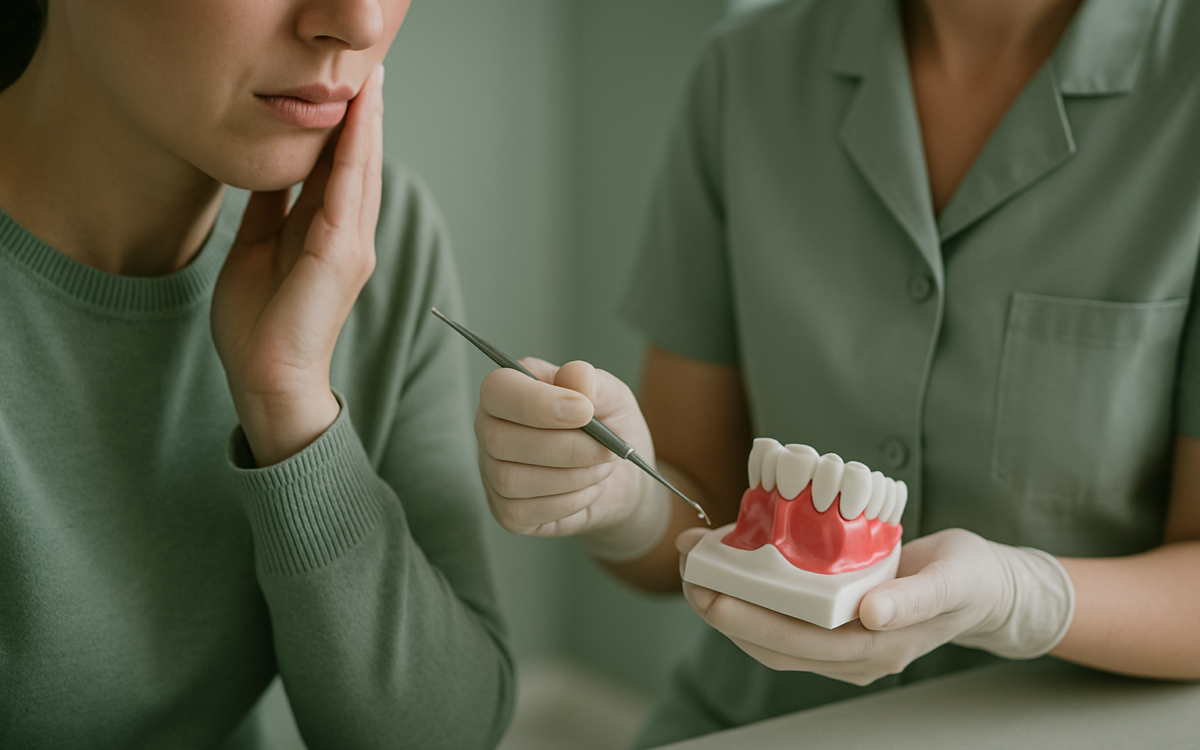
Experiencing gum pain can be both uncomfortable and worrisome. Whether it feels like a dull ache or sharp pain, knowing the reasons behind your gum discomfort is the first step towards finding relief. Let’s explore the common causes of gum pain and some effective methods to help alleviate it.
Common Causes of Gum Pain
Gum pain can arise from various factors, often indicating an underlying issue. Here are some of the most common culprits:
- Gingivitis: This mild form of gum disease is characterized by inflammation of the gums, often resulting from plaque buildup. Symptoms include redness, swelling, and tenderness.
- Periodontitis: If left untreated, gingivitis may progress to periodontitis, a more serious gum disease that can lead to tooth loss. This condition can cause severe gum pain and receding gums.
- Tooth Abscess: An abscess occurs when a bacterial infection leads to a pocket of pus near the tooth root, leading to swollen, painful gums.
- Improper Dental Hygiene: Neglecting teeth and gums can lead to pain. Plaque and tartar buildup irritates the gums, causing discomfort.
- Brushing Too Hard: Using a hard-bristled toothbrush or applying too much pressure while brushing can hurt your gums, making them bleed and ache.
Gum Pain Relief Strategies
Managing gum pain often requires a combination of good oral care and some home remedies. Consider these helpful strategies:
1. Improve Oral Hygiene
Adopting proper brushing and flossing techniques is crucial. Brush twice a day with toothpaste that contains fluoride, and don’t forget to floss daily to remove plaque from between your teeth.
2. Rinse with Warm Salt Water
A warm salt water rinse can provide quick relief by reducing inflammation and flushing out food particles. Mix about half a teaspoon of salt in a glass of warm water, swish it in your mouth for 30 seconds, and then spit it out.
3. Cold Compress
Applying a cold pack to your cheek can help numb the pain and reduce swelling. Wrap ice in a cloth and hold it against the affected area for about 15–20 minutes.
4. Over-the-Counter Pain Relievers
Consulting a healthcare provider about using non-prescription pain relievers like ibuprofen or acetaminophen can help manage your discomfort temporarily while you address the underlying issue.
5. Herbal Remedies
Some people find relief from natural remedies like aloe vera gel or tea tree oil, which may have soothing properties. Ensure you dilute essential oils properly, and consult your healthcare provider before trying new products.
Addressing Underlying Dental Issues
While home remedies can offer temporary relief, it’s essential to identify and treat the root cause of your gum pain. Here’s what you can do:
1. Regular Dental Checkups
Seeing a dentist regularly is key to preventing gum problems. Your dentist can spot issues early, provide professional cleanings, and give personalized advice based on your oral health.
2. Professional Cleaning
If you’re experiencing gum pain due to buildup of plaque or tartar, your dentist may recommend a professional cleaning to remove it. This procedure can alleviate pain and inflammation.
3. Treatment for Gum Disease
If gingivitis or periodontitis is the issue, your dentist may prescribe treatments that could include stronger cleansers, deep cleaning, or even surgery in severe cases.
When to See a Doctor
It’s vital to consult a healthcare provider if your gum pain persists, becomes severe, or is accompanied by other symptoms like fever, swollen lymph nodes, or persistent bad breath. Early intervention can prevent serious issues related to gum disease. If you notice recurring dental problems, it’s a clear signal that professional help is needed.
Conclusion
Gum pain can be bothersome, but by understanding the causes and effective relief options, you can take the necessary steps toward better oral health. Regular dental check-ups and maintaining good oral hygiene are essential to prevent conditions that lead to gum discomfort. Always consult with a dental professional when experiencing significant pain or if your symptoms are concerning.
For more information about gum pain and dental health, check out resources like the National Institutes of Health or the Mayo Clinic.
