
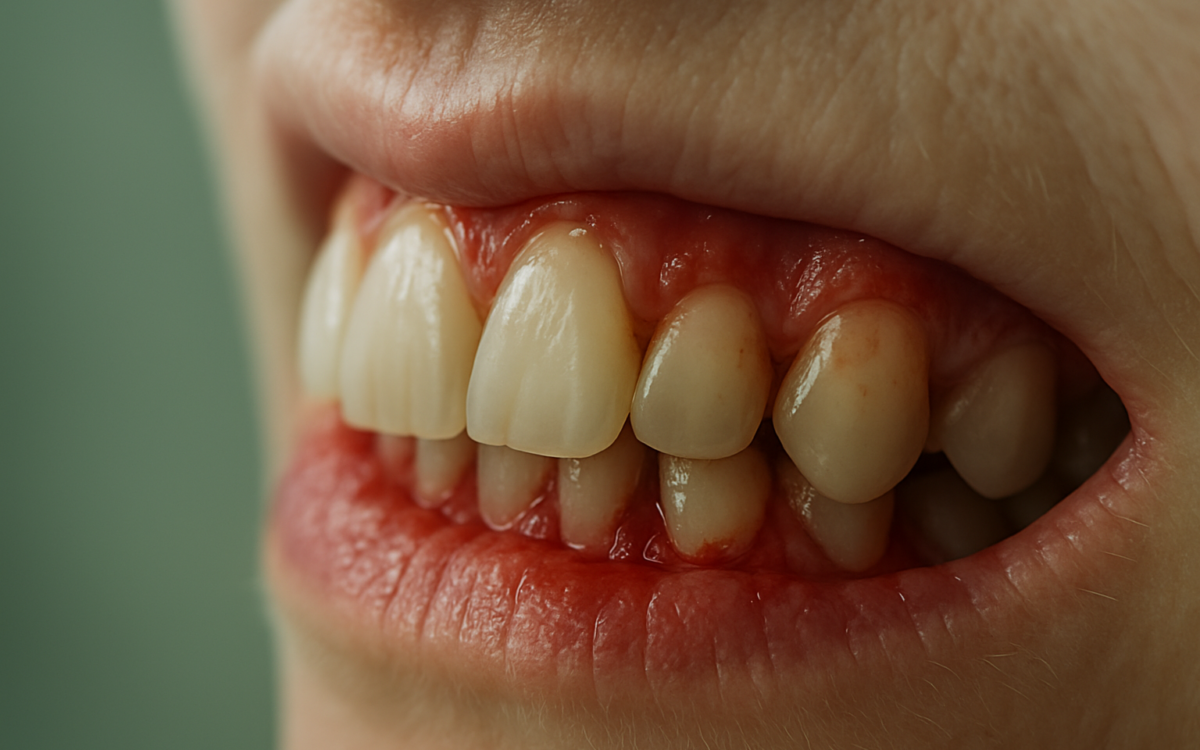
Healthy gums are essential for overall oral health, yet many people underestimate their importance. Periodontitis, a serious gum disease, can lead to tooth loss and other health issues if left untreated. In this article, we will explore what periodontitis is, its causes, symptoms, treatment options, and how you can maintain healthy gums.
What is Periodontitis?
Periodontitis is an advanced form of gum disease that affects the supporting structures of the teeth, including the gums, periodontal ligament, and jawbone. It is primarily caused by the accumulation of plaque—a sticky film of bacteria that forms on teeth. If plaque is not removed through regular brushing and flossing, it can harden into tartar, which can irritate the gums and lead to inflammation.
When you have periodontitis, the inflammation can cause the gums to pull away from the teeth, creating pockets that collect bacteria. This can result in the destruction of gum tissue and bone, ultimately leading to tooth loss.
Causes and Risk Factors
Understanding the causes and risk factors for periodontitis is crucial for prevention and early intervention. Here are some common factors:
- Poor Oral Hygiene: Inadequate brushing and flossing allow plaque to build up, leading to gum disease.
- Smoking and Tobacco Use: These habits impair blood flow to the gums, making it harder for them to heal.
- Genetics: Some individuals may be genetically predisposed to gum disease.
- Diabetes: This condition can weaken your ability to fight infections, increasing the risk of gum problems.
- Hormonal Changes: Events like pregnancy or menopause can make gums more susceptible to inflammation.
- Medications: Certain medications can reduce saliva flow, which is essential for oral health.
Symptoms of Periodontitis
Recognizing the symptoms of periodontitis is vital for early treatment. Some common signs to look out for include:
- Red, swollen, or tender gums
- Gums that bleed when brushing or flossing
- Pockets forming between the teeth and gums
- Persistent bad breath or a bad taste in the mouth
- Loose teeth or changes in the way your teeth fit together when you bite
Treatment Options for Periodontitis
If you suspect you have periodontitis, it’s essential to consult a dental professional. Treatment usually involves a combination of procedures aimed at controlling the infection and restoring gum health:
1. Deep Cleaning
Also known as scaling and root planing, deep cleaning involves the removal of plaque and tartar from below the gumline. It helps to smooth out the roots of the teeth, making it easier for the gums to reattach.
2. Medications
In some cases, dentists may prescribe antibiotics or antiseptic gels to help control bacterial growth. These can be applied directly to the gums or taken orally.
3. Surgery
For advanced cases of periodontitis, surgical procedures may be necessary. Flap surgery allows the dentist to lift back the gums and remove tartar deposits. Bone grafting may also be required to restore any lost bone.
4. Regular Check-ups
Even after treatment, regular dental visits are critical for maintaining gum health. Your dentist can monitor your gums and suggest any additional care needed.
Preventing Periodontitis
Prevention is key when it comes to gum health. Here are some practical tips to help maintain healthy gums:
- Brush Twice Daily: Use fluoride toothpaste and a soft-bristled toothbrush. Brush for at least two minutes each time.
- Floss Daily: Flossing helps remove plaque and food particles between teeth that a toothbrush might miss.
- Quit Smoking: Avoiding tobacco products can significantly reduce your risk of developing gum disease.
- Regular Dental Check-ups: Schedule visits at least twice a year for professional cleanings and exams.
- Eat a Balanced Diet: A diet rich in vitamins and minerals contributes to overall gum health.
When to See a Doctor
If you notice any symptoms of gum disease, such as bleeding gums or persistent bad breath, it is important to see a dentist promptly. Early intervention can help prevent progression to more severe stages of periodontitis. If you have underlying health conditions like diabetes or a heart condition, regular dental check-ups are particularly crucial.
Conclusion
Gum health plays a vital role in your overall well-being. Understanding periodontitis—its causes, symptoms, and treatment—can empower you to take active steps in managing your dental health. By practicing good oral hygiene and seeking regular dental care, you can help keep your gums healthy for years to come. Remember, a healthy mouth is a happy mouth!
