
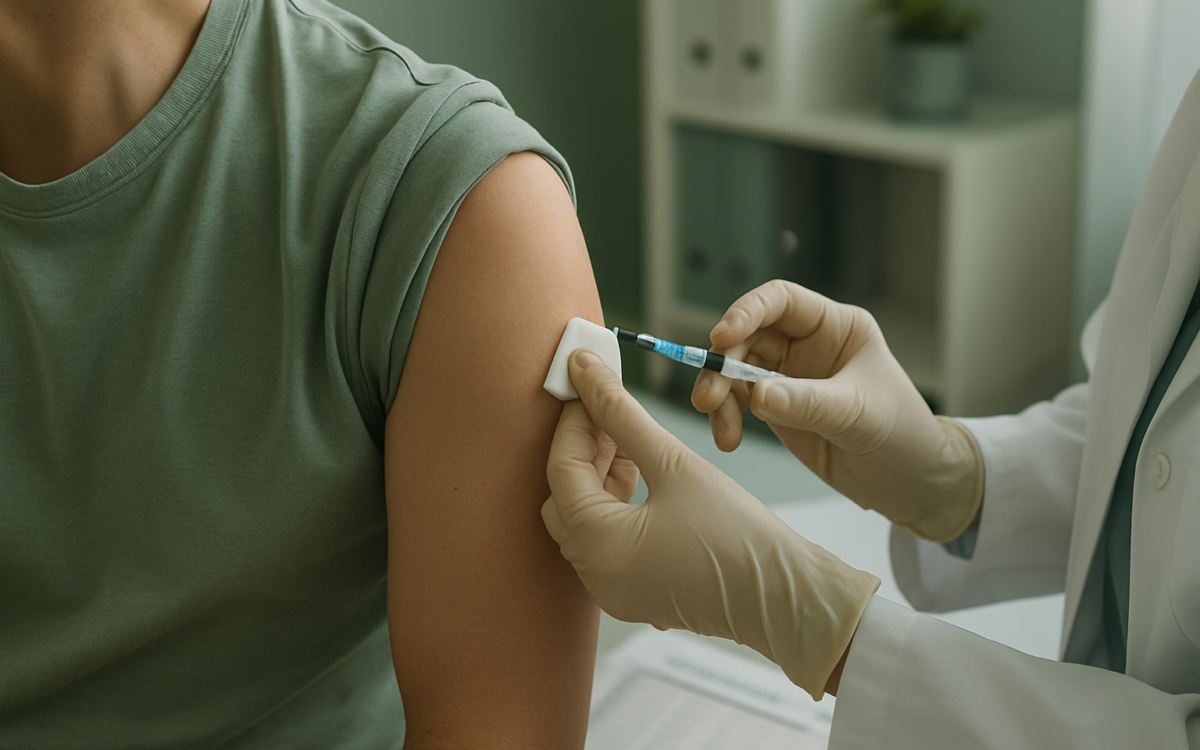
When it comes to protecting your health, vaccines play a crucial role. While many of us often think about vaccinations during childhood, adults also need to stay up-to-date with their immunizations. The CDC’s adult immunization schedule offers guidance on the vaccines that every adult should consider. Understanding this schedule is essential for maintaining your health and preventing the spread of infectious diseases.
The Importance of Adult Immunizations
Vaccines aren’t just for kids; adults require them too. The immune system may weaken with age, making older adults more susceptible to certain diseases. Moreover, some vaccines provide protection for only a limited time, necessitating booster doses. By following the CDC’s recommendations, you can help safeguard not just your own health, but also that of your community.
Key Vaccines for Adults
Here are some vital vaccines featured in the CDC’s adult immunization schedule:
- Seasonal Influenza Vaccine: Recommended annually for all adults.
- Tdap (Tetanus, Diphtheria, Pertussis): A one-time booster is recommended for adults who have never received it, followed by a Td (tetanus-diphtheria) booster every 10 years.
- Shingles Vaccine: Recommended for adults 50 years and older to prevent shingles and its complications.
- Pneumococcal Vaccines: There are two types (PCV13 and PPSV23) recommended for older adults and those with specific health conditions.
- COVID-19 Vaccine: Essential for all adults as part of a comprehensive preventive health plan.
Understanding the Vaccination Schedule
The CDC’s immunization schedule is based on various factors, including age, health status, and previous vaccinations. Here’s a simplified table of recommended vaccines:
Vaccination Recommendations by Age
19-26 years:
- HPV (Human Papillomavirus) vaccine series for those who have not completed it.
27-49 years:
- Continue with recommended vaccines like Tdap, flu, and COVID-19.
50 years and older:
- Shingles and pneumococcal vaccines are strongly recommended.
Titerville: Common Misconceptions
Despite the clear guidelines, misconceptions surrounding adult immunization abound. Here are a few common misunderstandings:
- “I’m Healthy, I Don’t Need Vaccines”: Even healthy individuals can contract vaccine-preventable diseases.
- “Vaccines Only Work For Children”: Many adult vaccines, like those for influenza and shingles, are crucial as we age.
- “Once You’re Vaccinated, You’re Done”: Some vaccines require boosters or additional doses for continued immunity.
Accessing Vaccines
Vaccines are widely available through various outlets. Here’s where you can get your immunizations:
- Health Departments
- Community Health Centers
- Pharmacies
- Medical Clinics
Before getting vaccinated, verify the types of vaccines offered and whether they align with your immunization needs as per the CDC schedule.
Keeping Track of Your Vaccination History
It’s wise to maintain a record of your vaccinations for reference. Many healthcare providers can access your immunization history electronically. If you cannot find your records, consider reaching out to previous healthcare providers or check your state’s immunization registry. This documentation is essential for determining which vaccines you may need.
When to See a Doctor
If you’re unsure about your immunization status or have concerns about specific vaccines, consult your healthcare provider. They can review your vaccination history, assess your health needs, and guide you on what immunizations may be essential for you.
Conclusion
Staying updated with the CDC adult immunization schedule is a vital part of maintaining health as we age. Vaccinations can prevent severe illnesses and protect not only individuals but also the community at large. Don’t hesitate to make an appointment with your healthcare provider to review your vaccination status. A small investment of time now can result in significant health benefits in the future.
