
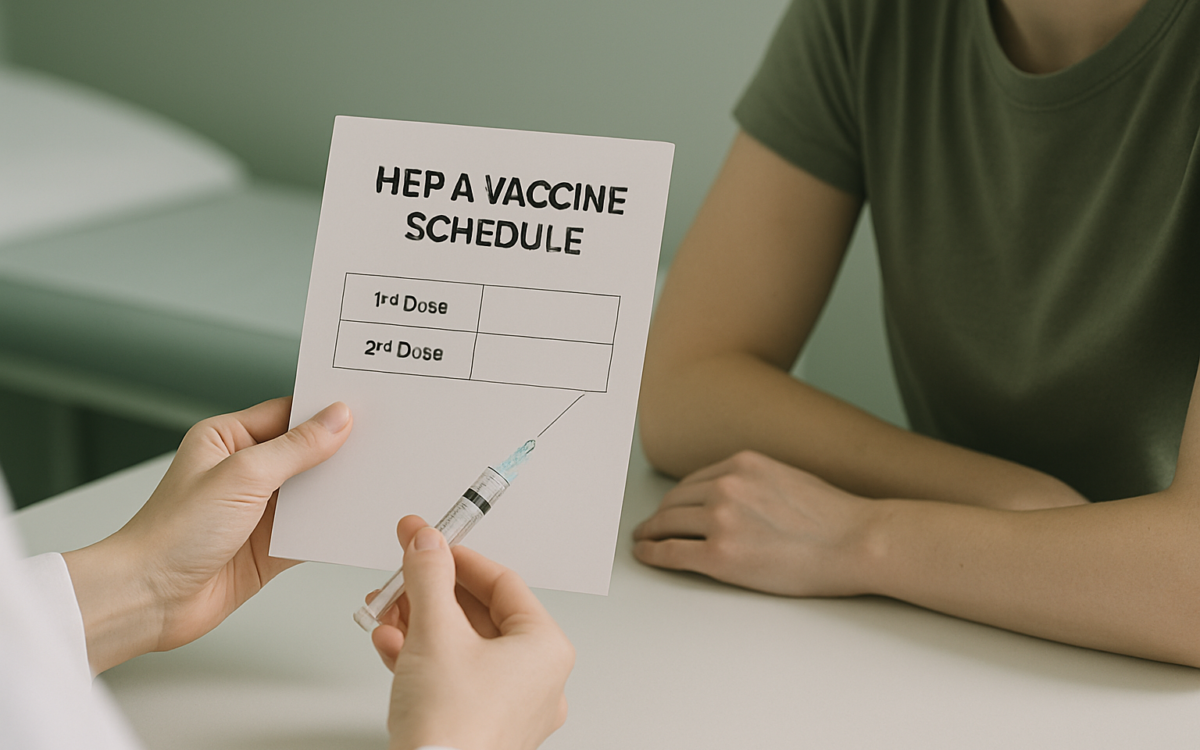
The Hepatitis A virus can cause significant health issues, including liver inflammation and severe illness. Thankfully, there’s a safe and effective vaccine that protects against this disease. Understanding the Hepatitis A vaccine schedule is essential for you and your family to ensure proper immunization.
What is Hepatitis A?
Hepatitis A is a viral liver infection that spreads through consumption of contaminated food or water, or through close contact with someone who is infected. Although it’s often mild, it can lead to severe complications in some people, especially those with pre-existing liver conditions.
Importance of the Hepatitis A Vaccine
The Hepatitis A vaccine is crucial in preventing the disease. It develops immunity to the virus, protecting both individuals and the community at large. Vaccination is particularly recommended for at-risk groups, which include travelers to areas where the virus is common, people with chronic liver conditions, and those who work in healthcare or with food.
Hepatitis A Vaccine Schedule
The vaccination schedule for the Hepatitis A vaccine typically includes two doses:
- First Dose: The first shot is usually given between 12 to 23 months of age.
- Second Dose: The second dose is administered 6 to 18 months after the first shot. It is recommended to get the second shot to ensure long-term protection.
For older children and adults who missed the vaccine, it’s never too late to start the vaccination series. The vaccine can be given at any time; just make sure to follow up with the second dose after the recommended time period.
Catch-Up Vaccination
If you or your child did not receive the vaccine during the recommended age, don’t worry. There are catch-up vaccination schedules available. Adolescent and adult catch-up vaccination can occur at any time and should include the two doses spaced appropriately. Consult your doctor for the best timing based on individual circumstances.
Travel Considerations
Travelers visiting countries where Hepatitis A is common should be vaccinated at least two weeks before travel. This timeline allows for the vaccine to take effect, providing necessary protection against the virus. The Centers for Disease Control and Prevention (CDC) recommends that travelers to areas with high infection rates consult a healthcare provider about vaccination.
Potential Side Effects
Most people tolerate the Hepatitis A vaccine well, but like all vaccines, it can come with some potential side effects. These are usually mild and may include:
- Soreness at the injection site
- Fatigue
- Mild fever
- Headaches
Severe reactions are rare but possible. If you experience severe allergic reactions such as difficulty breathing or swelling of the face or throat after receiving the vaccine, seek medical attention immediately.
Who Should Get Vaccinated?
While the Hepatitis A vaccine is important for everyone, specific groups should pay extra attention to their vaccination status:
- Children aged 1 year and older
- Adults traveling to areas with poor sanitation
- Individuals with chronic liver disease or clotting-factor disorders
- Individuals working in direct contact with Hepatitis A-infected persons
- Men who have sex with men
- People who use illegal drugs
Consulting with a healthcare provider can help determine if you or your loved ones should receive the vaccine based on lifestyle and health factors.
When to See a Doctor
If you’re unsure about your vaccination status, or if you think you were exposed to the Hepatitis A virus, it’s important to talk to your healthcare provider. If you experience severe symptoms after vaccination, or if you have underlying health issues that may complicate vaccination, seek medical advice promptly.
Conclusion
Staying informed about the Hepatitis A vaccine schedule and its importance can help protect you and your loved ones from the virus. With the proper vaccinations, you can enjoy a healthier life and reduce the risk of spreading Hepatitis A in your community. Consult your healthcare provider for personalized guidance and to ensure that you’re following the recommended immunization schedule.
