
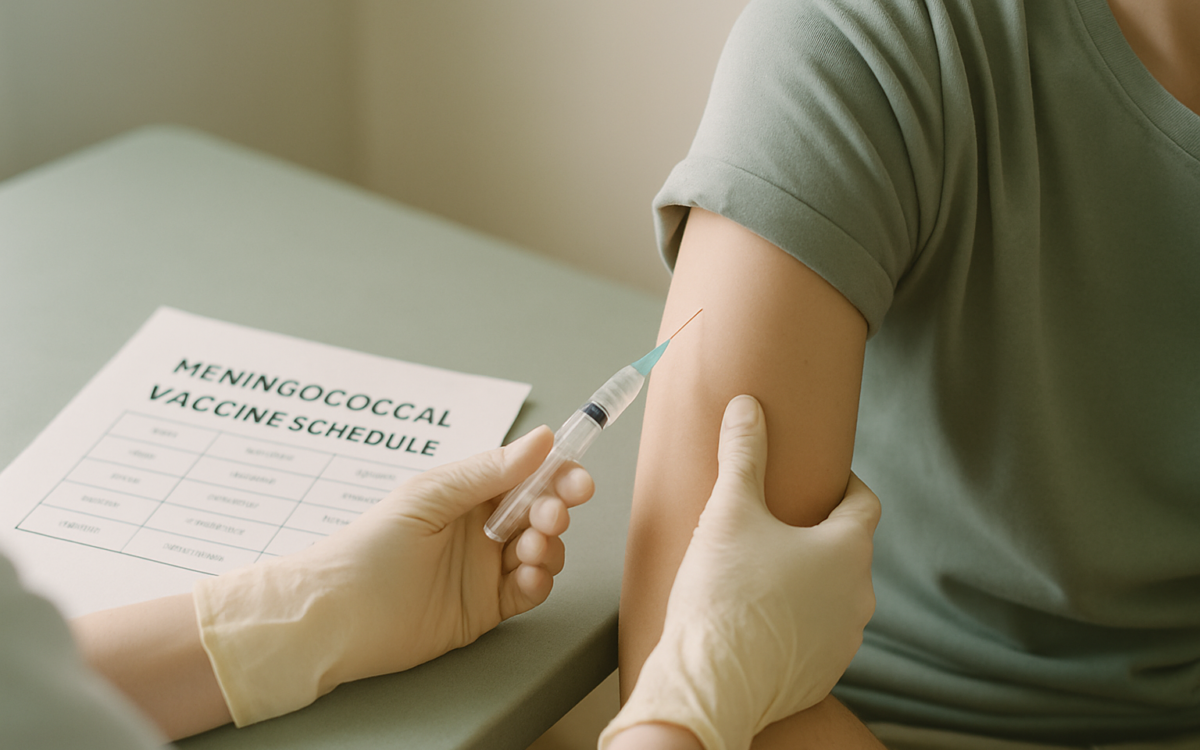
Meningococcal disease is a serious and often deadly infection that can lead to meningitis or septicemia. Fortunately, vaccines are available to help protect people from this potentially life-threatening illness. Understanding the meningococcal vaccine schedule is essential for parents and individuals to ensure proper vaccination and effective disease prevention.
What Is Meningococcal Disease?
Meningococcal disease is caused by the Neisseria meningitidis bacteria. It can lead to rapid-onset infections, primarily affecting the brain (meningitis) and the bloodstream (septicemia). Symptoms often develop quickly and may initially resemble those of the flu, making it difficult to diagnose early. Common symptoms include:
- Fever
- Headache
- Stiff neck
- Nausea
- Rash
If not treated promptly, meningococcal disease can result in severe complications such as hearing loss, brain damage, or even death. Vaccination is the most effective way to prevent these illnesses.
Who Should Get Vaccinated?
The meningococcal vaccine is typically recommended for certain age groups and populations. Here’s a breakdown:
Children and Adolescents
The Centers for Disease Control and Prevention (CDC) recommends that children receive their first dose of the meningococcal conjugate vaccine (MenACWY) at age 11 or 12. A booster shot is usually administered at age 16. Vaccination at these ages helps ensure protection during adolescence, a time when the risk of infection increases.
College Students
College freshmen living in dormitory settings are at increased risk for meningococcal disease. Therefore, it is recommended that they receive the MenACWY vaccine if they haven’t already been vaccinated during early adolescence. Additionally, a serogroup B meningococcal vaccine (MenB) may be advised for at-risk college students.
Travelers
Some regions of the world have higher rates of meningococcal disease. If you’re traveling to areas in sub-Saharan Africa or certain parts of Saudi Arabia, it is important to consult with a healthcare provider about the meningococcal vaccine before your trip. The CDC offers detailed travel health advisories and vaccination recommendations.
Understanding Vaccine Types
There are two main types of meningococcal vaccines available:
- Meningococcal conjugate vaccines (MenACWY): These protect against four common strains of the bacteria (A, C, W, and Y).
- Meningococcal B vaccines (MenB): These protect against serogroup B strains, which are responsible for a significant number of meningococcal infections, particularly in adolescents and young adults.
Both types of vaccines are generally safe and effective. Side effects, if they occur, are usually mild and may include soreness at the injection site, low-grade fever, or fatigue.
Meningococcal Vaccine Schedule Summary
Here’s a summary of the meningococcal vaccination schedule:
- First Dose (MenACWY): 11-12 years old
- Booster Dose (MenACWY): 16 years old
- MenB Vaccination: Recommended for specific populations, especially teens and young adults at increased risk
- Travelers to high-risk areas: Consult a healthcare provider for timing and necessity
Importance of Following the Schedule
Adhering to the recommended meningococcal vaccine schedule is vital for several reasons:
- Prevention: Vaccination significantly reduces the risk of contracting meningococcal disease.
- Herd immunity: High vaccination rates help protect those who cannot be vaccinated due to medical reasons.
- Outbreak control: Maintaining proper vaccination schedules can help prevent outbreaks in communities, especially on college campuses or in crowded environments.
When to See a Doctor
If you or your child experience symptoms of meningococcal disease, such as fever, persistent headache, stiff neck, and rash, seek medical attention immediately. Additionally, consult a healthcare provider for any vaccination-related questions or concerns, especially if there are specific health conditions that might influence vaccine recommendations.
Conclusion
The meningococcal vaccine schedule is a critical component of public health aimed at preventing serious infections. Understanding the importance of these vaccines and adhering to the recommended schedule can help protect individuals and communities from meningococcal disease. For more information, consider visiting the CDC website or discussing with a healthcare professional.
