
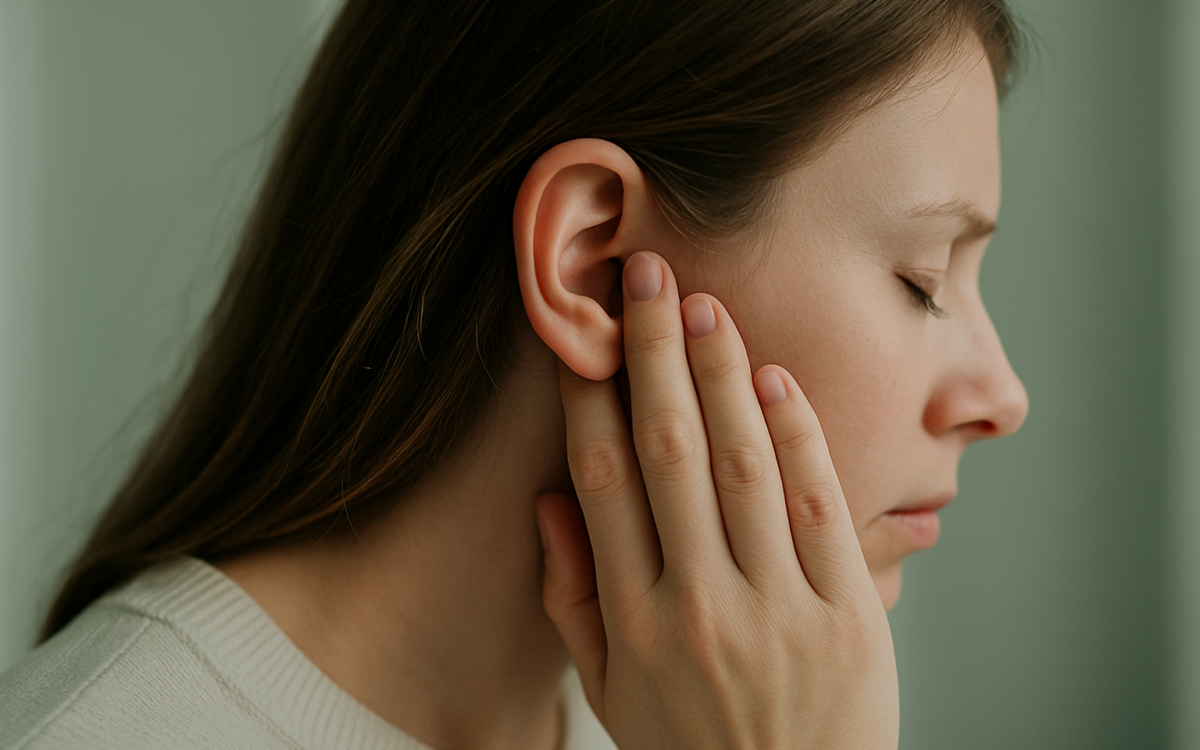
Ever noticed a clicking sound in your ear? It can be puzzling and sometimes concerning. This sound might come and go, and while it’s often harmless, it’s essential to understand what could be causing it and when to seek medical advice. This article will explore the potential causes of a clicking sound in the ear, treatments, and tips for managing your ears’ health.
What Causes a Clicking Sound in the Ear?
Clicking sounds in the ear can arise from various sources, often related to the Eustachian tubes or other ear structures. Here are some common causes:
- Eustachian Tube Dysfunction: The Eustachian tube connects your middle ear to the back of your throat. It helps regulate air pressure in the ear. If this tube doesn’t open and close correctly, it can lead to a feeling of fullness and the sound of clicking, especially when swallowing or yawning.
- Tinnitus: Tinnitus is a condition characterized by hearing sounds that aren’t actually present, such as ringing, buzzing, or clicking. Various factors, including exposure to loud noises, ear infections, or stress, can contribute to tinnitus. It’s worth noting that tinnitus can manifest in unique ways, including sporadic clicking sounds.
- Middle Ear Muscle Spasms: Sometimes, muscles in the middle ear can spasm, causing a clicking sound. This involuntary action can occur during activities such as swallowing or yawning.
- Earwax Buildup: Excess earwax can block the ear canal, leading to sounds created by movements of the ear drum or other structures. When the earwax is removed, the sounds often vanish.
When Should You Be Concerned?
While a clicking sound in the ear can be benign, some accompanying symptoms might prompt you to seek professional help. It’s crucial to monitor your condition and any changes that may occur.
- Persistent Clicking: If the clicking sound doesn’t go away after a short period or becomes frequent, it’s best to consult a doctor.
- Pain or Discomfort: If you experience pain, discomfort, or any other troubling symptoms along with the clicking sound, it’s time to see a healthcare provider.
- Changes in Hearing: A sudden change in your hearing sensation, especially if accompanied by the clicking, deserves attention from a professional.
How Is It Diagnosed?
To figure out the reason behind the clicking sound, your healthcare provider will likely conduct several tests. Here’s what you can expect:
- Physical Examination: The doctor may examine your ears and nasal passages. A visual inspection can reveal any blockages or conditions affecting your ear structures.
- Hearing Tests: Audiometric tests can assess your hearing capabilities and determine how well you can perceive sounds at different frequencies.
- Imaging Studies: In rare cases, your doctor may recommend imaging tests, like an MRI or CT scan, to get a closer look at your ear structures.
Treatment Options
Treatment for a clicking sound in the ear primarily depends on the underlying cause. Here are some common approaches you might encounter:
- Addressing Eustachian Tube Dysfunction: Nasal decongestants, antihistamines, or employing maneuvers such as the Valsalva maneuver can help open the Eustachian tube.
- Tinnitus Management: While there’s no one-size-fits-all treatment for tinnitus, therapies like cognitive behavioral therapy (CBT), sound therapy, and hearing aids can help manage symptoms.
- Earwax Removal: If earwax buildup is the issue, your doctor may safely remove it using specialized tools or techniques.
- Consulting Specialists: If the clicking persists or worsens, your healthcare provider might refer you to an ear, nose, and throat (ENT) specialist for further evaluation and treatment options.
The International Perspective on Ear Health
Ear health is a global concern, with certain regions experiencing unique challenges and solutions. For individuals considering traveling abroad for healthcare, options are available for those looking for specialized treatments. Websites like acibademinternational.com provide information about international treatment facilities that can address various ear health concerns, including clicking sounds, tinnitus, and more.
Home Remedies and Prevention Tips
While medical treatments can be effective, some people also find relief through home remedies or preventive measures. Here are a few suggestions:
- Stay Hydrated: Proper hydration can help maintain your Eustachian tube’s function.
- Practice Good Ear Hygiene: Regularly clean your outer ears, but avoid using cotton swabs that could push wax further in.
- Avoid Loud Noises: Protect your ears in loud environments, and use earplugs when necessary to minimize exposure to loud sounds.
- Manage Allergies: Treating allergies can help prevent Eustachian tube issues that can lead to clicking sounds.
When to See a Doctor
If you’ve noticed a clicking sound in your ear and it persists or is accompanied by other troubling symptoms, don’t hesitate to reach out to a healthcare provider. It’s better to have your symptoms evaluated to rule out any serious conditions.
In summary, while a clicking sound in your ear might be troubling, understanding the potential causes and treatment options can help ease your concerns. By monitoring your symptoms and seeking help when needed, you can take proactive steps toward maintaining your ear health.
