
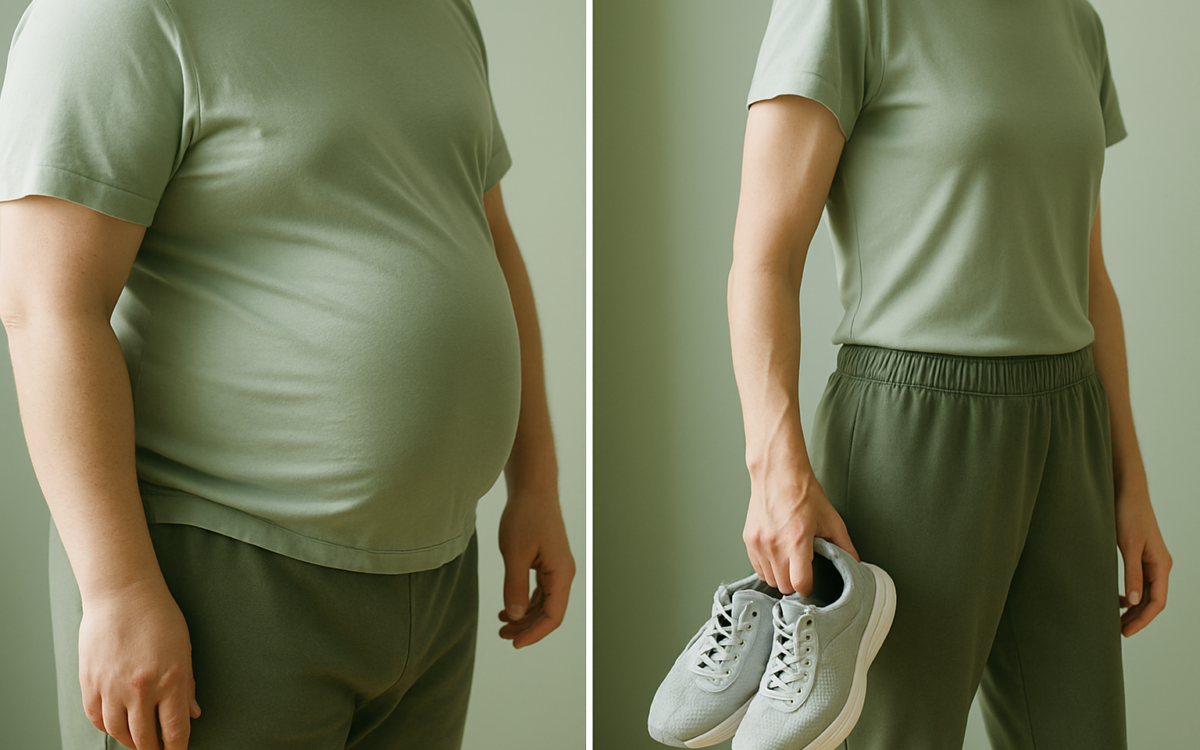
Imagine if a simple, everyday activity could unlock a wealth of health benefits. Walking is one of the most accessible forms of exercise, and committing to just an hour a day for a month may change your life in ways you never thought possible. Let’s explore what happens when you walk daily.
Physical Fitness and Weight Management
Walking is a fantastic way to boost your physical fitness. When you engage in brisk walking for an hour each day, you can burn a significant number of calories—roughly 200 to 400 calories depending on your weight and walking pace. Over a month, this can translate to a weight loss of up to one pound per week, assuming you maintain a caloric deficit.
According to the CDC, integrating walking into your daily routine helps improve cardiovascular fitness. After a month, you may notice increased stamina, making daily activities easier and less tiring.
Boosting Mental Wellbeing
The mental health benefits of walking are notable and scientifically supported. Regular physical activity, such as daily walking, can reduce feelings of anxiety and depression. Contemplating your surroundings while walking can serve as a form of meditation, allowing you to clear your mind and focus on the present.
A study published in the journal Frontiers in Psychology found that engaging in light to moderate exercise like walking could improve mood and serve as a natural antidote to stress. After walking for an hour daily over a month, many individuals report enhanced emotional stability and a more positive outlook on life.
Improving Cardiovascular Health
Walking regularly can also lead to notable improvements in cardiovascular health. An hour of walking each day can help lower your blood pressure and improve cholesterol levels, contributing to better overall heart health. According to the World Health Organization (WHO), physical activity like walking can help prevent heart disease and stroke.
After four weeks of walking daily, many people can expect to see improvements in their heart rate and endurance levels. This consistency plays a key role in reducing the risk of cardiovascular issues.
Strengthening Muscles and Bones
Regular walking not only benefits your cardiovascular system but also strengthens your muscles and bones. Weight-bearing exercises like walking can help increase bone density, reducing the risk of osteoporosis—a bone-thinning disease that affects many as they age. Additionally, engaging your leg muscles regularly can enhance muscle tone and strength.
Over the month, you may notice more defined calves, thighs, and glutes, giving you that extra confidence when wearing shorts or skirts. Strong muscles contribute to better posture and support joint health, enhancing your mobility and flexibility.
Creating a Sustainable Habit
One of the most significant outcomes of walking for an hour a day for 30 days is the development of a lasting habit. Establishing a routine can make physical fitness an integral part of your lifestyle. To keep the habit alive, consider setting reminders or choosing a specific time of day for your walks.
Finding a companion can also help—whether it’s a friend, family member, or even a pet. Additionally, tracking your progress, such as using a journal or mobile app, can provide motivation as you see improvements over time.
When to See a Doctor
While walking is generally a safe and beneficial activity, it’s important to listen to your body. If you experience any unusual pain, dizziness, shortness of breath, or other concerning symptoms during or after walking, consult your doctor. They can provide guidance tailored to your individual health needs.
Physical activity should feel energizing, not exhausting. If you’re new to exercise or have existing health concerns, consider consulting with a healthcare professional before starting a new regimen.
In conclusion, dedicating just one hour a day to walking can yield remarkable results in both physical and mental health. Whether you seek to lose weight, improve your mood, or boost cardiovascular fitness, committing to this simple exercise can be incredibly rewarding. Start today, and watch how your life transforms in just a month.
