
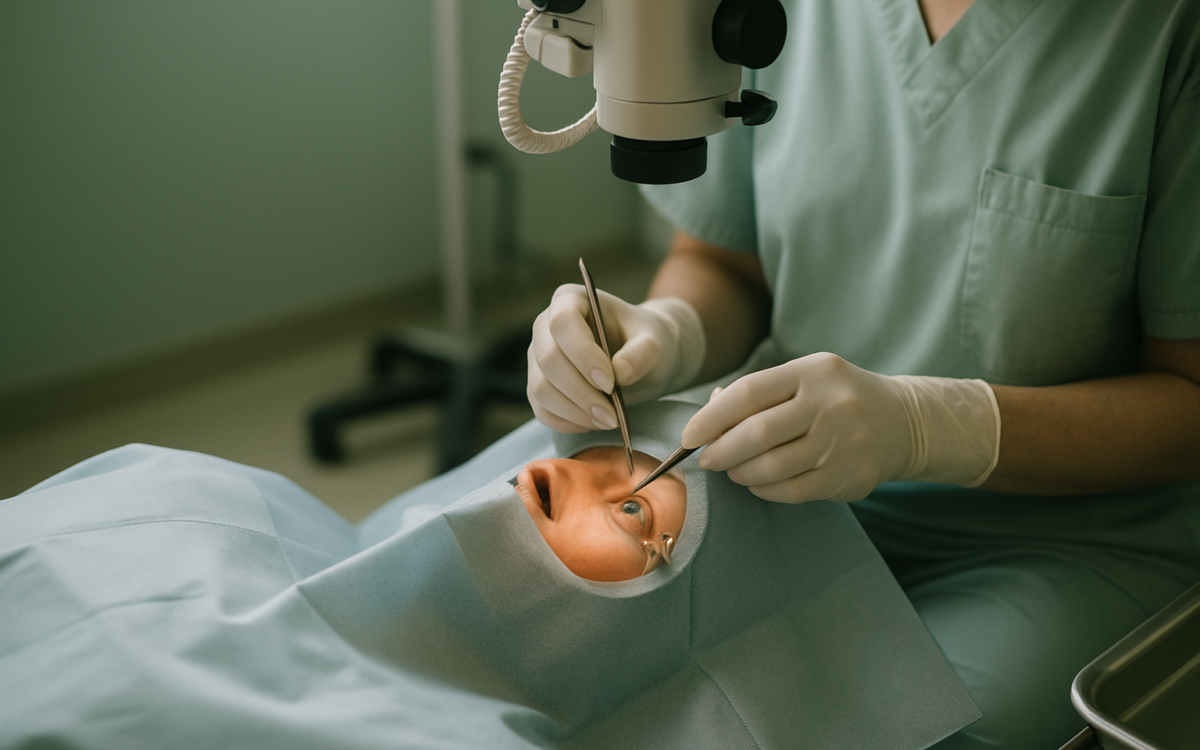
Cataract surgery is one of the most common and successful surgical procedures performed today. If you or a loved one has been diagnosed with cataracts, understanding the surgery itself can help ease any concerns you may have. One of the most common questions is, “How long is cataract surgery?” In this article, we will explore the length of the procedure, what to expect, and how the recovery process unfolds.
What Is Cataract Surgery?
Cataract surgery is a surgical procedure to remove the clouded lens of the eye (the cataract) and replace it with an artificial lens called an intraocular lens (IOL). This surgery can significantly improve vision for those affected by cataracts, a condition often associated with aging but can also occur due to other factors.
Duration of Cataract Surgery
The actual cataract surgery typically takes about 15 to 30 minutes per eye. However, the overall time you spend at the surgical center may be longer due to pre-operative preparations and post-operative recovery. Here’s a breakdown of what you can generally expect during the entire process:
- Pre-operative Preparation: Before surgery, you will undergo several quick assessments, including eye measurements and discussions with your surgeon about the procedure. This may take about 30 minutes to 1 hour.
- Surgery: As mentioned, the surgery itself lasts around 15 to 30 minutes. Your surgeon will administer local anesthesia to numb your eye and may give you a sedative to help you relax.
- Post-operative Recovery: After surgery, you’ll need to spend about 30 minutes in a recovery area for monitoring before heading home.
Factors That Influence Surgery Duration
While the surgery itself is relatively quick, several factors may impact the overall timeframe:
- The Complexity of the Case: Those with other eye conditions or more complex cataracts may require a longer surgical time.
- Patient Comfort: Your comfort level and the need for additional sedation can also impact the duration.
- Surgeon’s Techniques: Different surgeons may use varied techniques or technologies that can affect timing. Some may use laser-assisted surgery, which can alter procedural length.
Types of Cataract Surgery
There are primarily two types of cataract surgery:
- Phacoemulsification: This is the most common method. The surgeon makes a small incision and uses ultrasound waves to break up the cataract, which is then removed through the same incision.
- Extracapsular Surgery: In more complicated cases, a larger incision might be necessary to remove the cataract in one piece. This method is less common today.
What to Expect After Surgery
After cataract surgery, most patients experience significant improvements in vision within a day or two. However, there are several key points to keep in mind regarding recovery:
- Vision Fluctuations: It is normal to experience some fluctuations in vision as your eye heals. This should stabilize within a few weeks.
- Post-operative Care: Your doctor will prescribe eye drops to aid in healing and reduce inflammation. Follow their instructions carefully.
- Follow-up Appointments: Expect to have follow-up visits scheduled in the days and weeks following your surgery to monitor your progress.
Benefits of Cataract Surgery
The primary benefit of cataract surgery is improved vision, but there are additional advantages:
- Enhanced Quality of Life: Better vision can lead to a more active lifestyle and greater independence.
- Low Complication Rates: Cataract surgery is known for its high success rate and low risk of complications when performed by an experienced surgeon.
- Quick Recovery: Most people can return to their normal activities within a few days.
When to See a Doctor
If you experience symptoms such as persistent blurriness, double vision, or difficulty with colors and brightness, it’s important to consult your eye care professional. Regular eye exams can help detect cataracts early, allowing for timely intervention.
Conclusion
Cataract surgery is a quick and effective way to restore vision affected by cataracts. The entire process is efficient, with the surgery taking only 15 to 30 minutes, while offering significant improvements in daily life for many. Understanding what to expect can help alleviate fears and prepare you or a loved one for the journey ahead. If you’re considering cataract surgery, don’t hesitate to ask your healthcare provider any questions or concerns you might have.
