
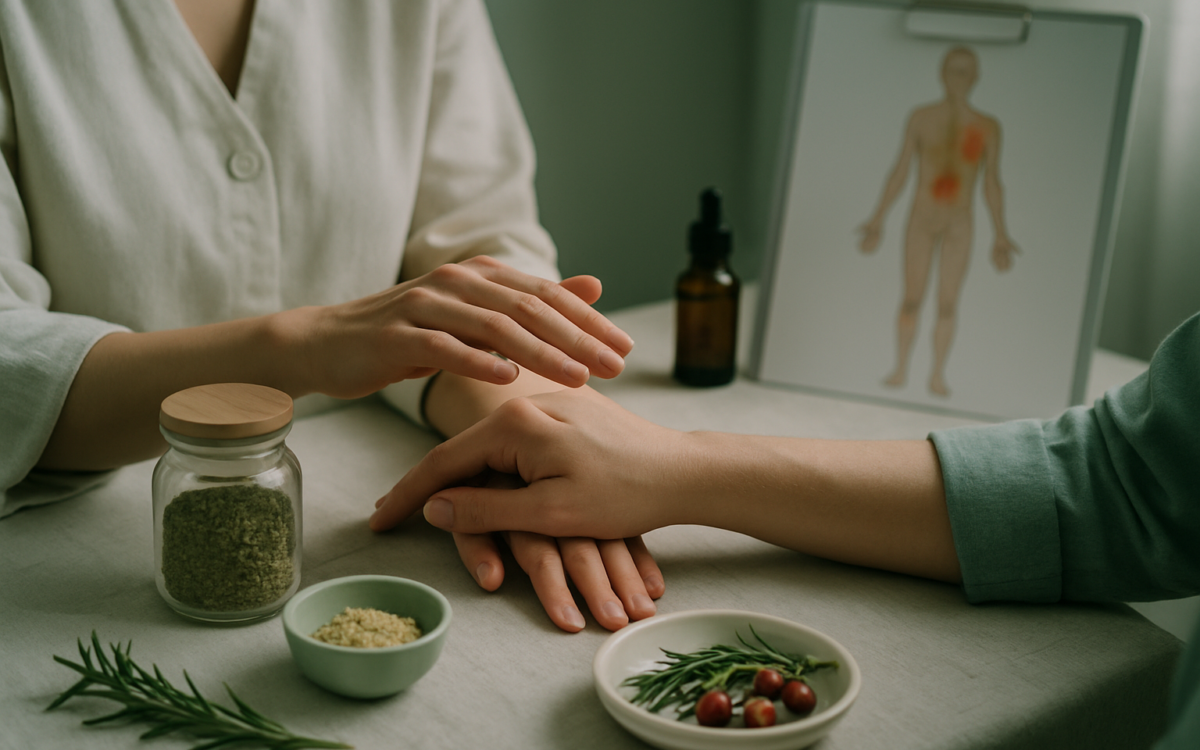
Inflammation is a natural response of the body to injury or infection. However, chronic inflammation can lead to various health issues including arthritis, heart disease, and even some cancers. Many people are seeking out holistic healing approaches as a way to manage inflammation without solely relying on medications. Holistic healing takes into account the whole person—body, mind, and spirit—aiming for balance and wellness. In this article, we will explore several holistic methods that can support your body’s natural ability to reduce inflammation.
Understanding Inflammation
Before diving into holistic methods, it’s essential to understand what inflammation is and why it occurs. Inflammation is your body’s way of protecting itself. When you are injured or fighting an infection, your immune system responds with inflammation to facilitate healing. However, when inflammation becomes chronic, it may contribute to various diseases.
The Role of Diet in Reducing Inflammation
Your diet plays a crucial role in managing inflammation levels in your body. Certain foods have anti-inflammatory properties, while others can contribute to inflammation. Incorporating more whole, unprocessed foods into your diet can make a significant impact.
Foods to Include
- Fruits and Vegetables: Berries, leafy greens, and cruciferous vegetables like broccoli are rich in nutrients and antioxidants.
- Healthy Fats: Olive oil, nuts, and fatty fish like salmon provide omega-3 fatty acids that can help curb inflammation.
- Whole Grains: Quinoa, brown rice, and oats can promote better health compared to refined grains.
Foods to Limit
- Processed Foods: Fast food, snacks, and sugary drinks may worsen inflammation.
- Trans Fats: Found in some baked and fried goods, these fats are known to increase inflammation.
- Excess Sugar: Sugar can trigger inflammation and should be consumed in moderation.
A diverse, nutrient-dense diet can help regulate inflammation levels, making it a significant part of holistic healing.
The Power of Mindfulness and Stress Reduction
Chronic stress has been linked to increased inflammation in the body. Mindfulness techniques, such as meditation and deep breathing, can significantly reduce stress and promote healing.
Mindfulness Practices
- Meditation: Spending even a few minutes a day focusing on your breath or practicing guided meditation can calm the mind and reduce stress.
- Yoga: This ancient practice combines physical postures, breath control, and meditation, helping to lower inflammation-triggering stress.
- Deep Breathing Exercises: Simple techniques can activate relaxation responses in the body that help decrease stress levels.
Integrating mindfulness into your daily routine can create a more peaceful mindset and aid inflammatory conditions.
Physical Activity and Its Anti-Inflammatory Effects
Regular physical activity can play a key role in holistic healing. Exercise helps maintain a healthy weight and has been shown to reduce inflammatory markers in the body.
Types of Exercise
- Aerobic Exercise: Activities like walking, swimming, or cycling can boost cardiovascular health and may reduce inflammation.
- Strength Training: Lifting weights or using resistance bands improves muscle strength and has beneficial effects on metabolic health.
- Stretching and Flexibility: Gentle stretching or classes like Pilates can enhance flexibility and circulation, promoting overall wellness.
It’s important to find physical activities that you enjoy, making it easier to stick to a regular exercise routine.
Natural Supplements to Consider
Some people may turn to natural supplements to assist with inflammation. While these can be beneficial, it’s important to consult with a healthcare provider before starting any new supplements.
Common Supplements
- Turmeric: Contains curcumin, which has robust anti-inflammatory properties.
- Ginger: Like turmeric, ginger can reduce inflammation and relieve pain.
- Omega-3 Fatty Acids: Found in fish oil supplements, they are effective in lowering inflammation levels.
Supplements can complement a healthy diet but should not be relied upon as the sole solution for managing inflammation.
Emotional and Spiritual Wellness
Holistic healing for inflammation also encompasses emotional and spiritual health. Conditions affecting the mind can influence physical health, making it important to nurture both.
Ways to Cultivate Wellness
- Connect with Others: Maintaining relationships is vital; socialize to boost mood and emotional health.
- Practice Gratitude: Journaling or taking moments to reflect on what you’re grateful for can enhance your emotional resilience.
- Explore Spirituality: Whether through organized religion, personal spirituality, or nature, connecting with something greater can provide comfort and peace.
Fostering emotional and spiritual well-being can create a more profound state of healing.
When to See a Doctor
If you are experiencing persistent inflammation, pain, or swelling that disrupts your daily life, it’s essential to consult a healthcare provider. They can help identify the underlying cause and recommend appropriate treatment options.
Conclusion
Holistic healing for inflammation offers a refreshing approach that involves nurturing the body, mind, and spirit. By embracing a healthy diet, practicing mindfulness, engaging in regular physical activity, considering natural supplements, and promoting emotional wellness, you can support your body’s ability to heal. Always remember that while holistic methods can be beneficial, consulting with your healthcare provider is crucial for personalized guidance.
