
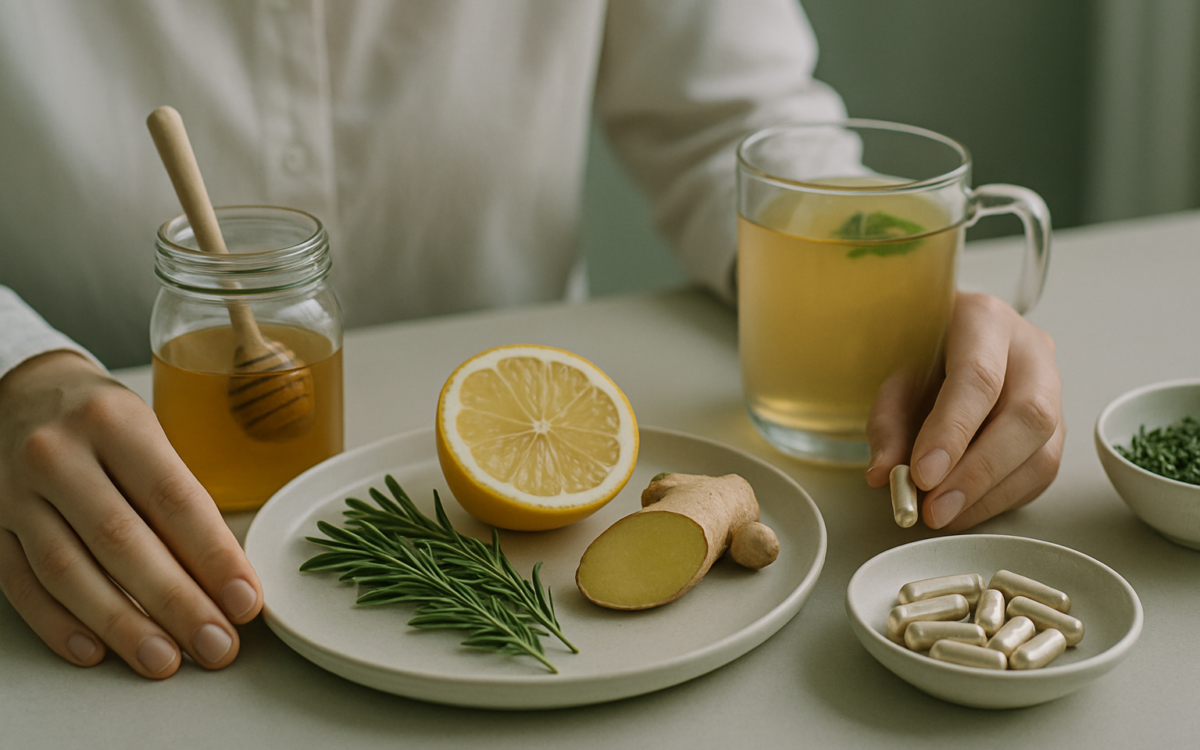
Inflammation is the body’s natural response to injury or infection. While it’s essential for healing, chronic inflammation can lead to various health issues, including heart disease, diabetes, and arthritis. Many people are now looking for natural remedies to manage inflammation effectively. These remedies, often derived from food and lifestyle changes, can play a significant role in promoting overall health.
Understanding Inflammation
To appreciate how natural remedies can help, it’s vital to understand what inflammation is. Acute inflammation occurs as part of the body’s healing process, characterized by redness, heat, swelling, and pain. However, when this response becomes chronic, it can lead to lasting harm. Factors contributing to chronic inflammation include poor diet, lack of exercise, stress, and environmental toxins.
Foods That Combat Inflammation
Your diet is a powerful tool in managing inflammation. Certain foods contain compounds that can reduce inflammation in the body. Here are some notable examples:
- Fruits and Vegetables: Colorful fruits and vegetables are rich in antioxidants and other anti-inflammatory compounds. Berries, cherries, spinach, and kale are particularly beneficial.
- Healthy Fats: Omega-3 fatty acids found in fatty fish, flaxseeds, and walnuts can help reduce inflammation. Aim to include more of these in your meals.
- Whole Grains: Whole grains like brown rice, quinoa, and oats can support an anti-inflammatory diet. They are rich in fiber, which can help reduce overall inflammation.
- Spices: Turmeric and ginger are two spices known for their anti-inflammatory properties. Adding these to your cooking can enhance both flavor and health benefits.
Herbal Remedies
Several herbs have been studied for their potential to reduce inflammation. Here are some that may help:
- Turmeric: The active ingredient in turmeric, curcumin, has powerful anti-inflammatory effects. It can be used in cooking or taken as a supplement.
- Ginger: Known for its warming qualities, ginger can help with inflammation when incorporated into your diet, often found in teas, soups, and stir-fries.
- Green Tea: Rich in polyphenols, green tea has been shown to have anti-inflammatory properties. Enjoy it hot or cold for an extra health boost.
Lifestyle Changes to Reduce Inflammation
Beyond diet and herbs, certain lifestyle changes can significantly impact inflammation levels in the body:
- Regular Exercise: Engaging in physical activity helps lower inflammation. Aim for at least 30 minutes of moderate exercise most days of the week.
- Stress Management: Chronic stress contributes to inflammation. Techniques like yoga, meditation, and deep-breathing exercises can be beneficial.
- Sleep Hygiene: Quality sleep is vital for overall health. Aim for 7-9 hours of restful sleep each night to help manage inflammation.
Exploring International Treatments
In some cultures, traditional medicine is a primary approach to treating inflammatory conditions. Practices such as acupuncture, Ayurveda, and traditional Chinese medicine often emphasize natural remedies and holistic health, incorporating herbs, diet, and lifestyle adjustments. For those interested in combining modern and traditional practices, exploring treatment options at places like Acibadem International can provide unique insights into integrating these methods into your health journey.
Supplements for Inflammation
Many people consider supplements to help manage inflammation. While they can be helpful, it’s crucial to approach them carefully:
- Fish Oil: Omega-3 supplements are popular for reducing inflammation. They can support heart and joint health when paired with a balanced diet.
- Curcumin: As mentioned, curcumin supplements can offer concentrated anti-inflammatory effects but should be taken with caution and ideally with a physician’s advice.
- Probiotics: Maintaining gut health can influence inflammation levels. Probiotic supplements can help restore a healthy microbiome.
When to See a Doctor
If you experience persistent inflammation that is causing discomfort or limiting your daily activities, consulting a healthcare professional is essential. Chronic inflammation may be a sign of an underlying health condition requiring medical assessment and treatment. Always discuss any new supplements or significant dietary changes with your doctor to ensure they are appropriate for your individual health needs.
Natural remedies can offer various strategies for managing inflammation, but remember they work best alongside a balanced lifestyle and, when necessary, medical care. By embracing healthy foods, maintaining an active lifestyle, and managing stress, you can greatly impact your body’s inflammatory responses.
