
Protein is often hailed as a crucial part of our diet, but how much do we actually need? Many people are unsure about their protein requirements or how to meet them. In this article, we’ll break down everything you need to know about protein—what it does for your body, the recommended amounts, and sources to include in your meals.
What is Protein and Why is it Important?
Protein is one of the three macronutrients alongside carbohydrates and fats. It’s made up of amino acids, which are the building blocks of our bodies. Protein plays many essential roles, including:
- Building and repairing tissues
- Making enzymes and hormones
- Supporting immune function
- Providing energy when needed
Without adequate protein intake, your body may struggle to maintain muscle mass, repair cells, and sustain vital functions.
How Much Protein Do You Need?
The amount of protein each person needs varies based on several factors, including age, sex, weight, and activity level. The current dietary guidelines suggest:
- For the average adult, aiming for about 46 grams per day for women and 56 grams for men
- For older adults, there may be increased needs (up to 60 grams or more) to help maintain muscle mass
- Athletes or those with high physical activity levels may also require more protein, typically around 1.2 to 2.0 grams of protein per kilogram of body weight
To get a more personalized recommendation, you can refer to resources like the National Heart, Lung, and Blood Institute to calculate your protein needs based on your body weight and activity level.
Calculating Your Protein Needs
To figure out how much protein you should consume daily, you can follow a simple formula. First, find your weight in kilograms. To convert your weight from pounds to kilograms, divide your weight by 2.2. Then, use the recommended intake:
- If you are moderately active, multiply your weight in kilograms by 0.8 to 1.2 grams for general needs.
- If you’re heavily active or trying to build muscle, you might want to aim higher, up to 2.0 grams per kilogram.
For instance, if you weigh 150 pounds (68 kg) and are moderately active, you might aim for around 54 to 82 grams of protein each day.
Sources of Protein
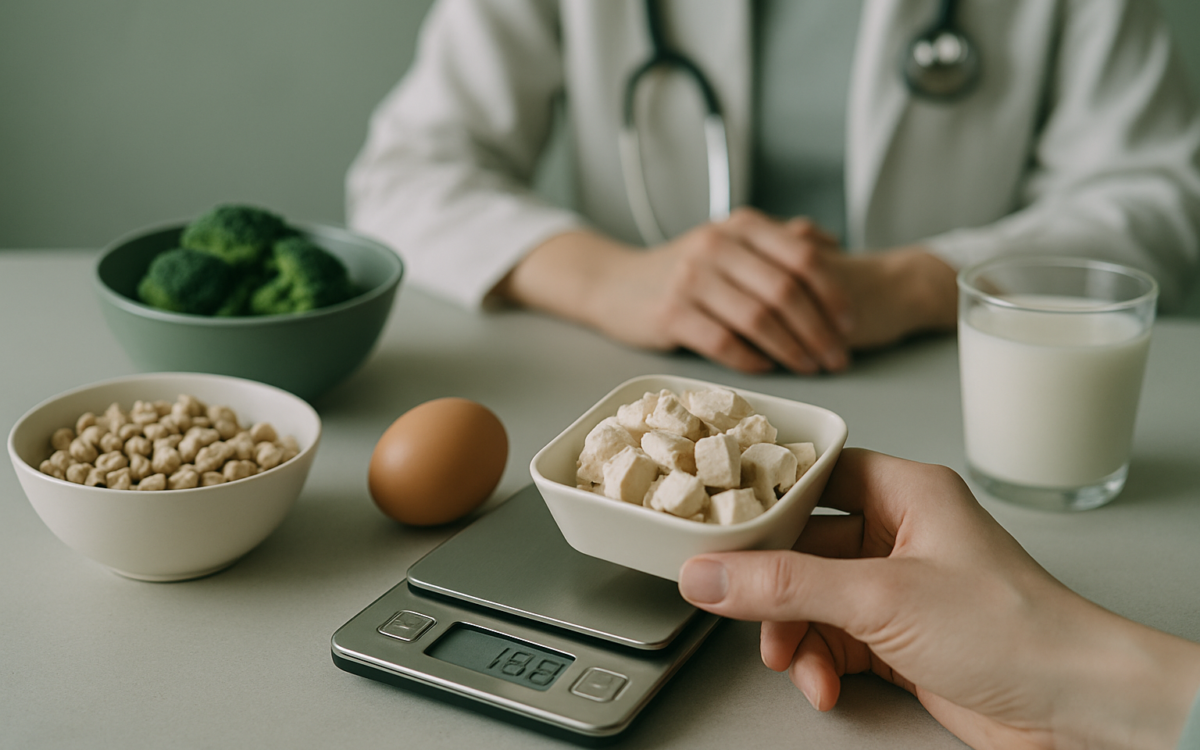
Protein can be found in a variety of foods, both animal and plant-based. Here are some excellent sources:
Animal Sources
- Meat (chicken, beef, pork)
- Fish (salmon, tuna, shrimp)
- Dairy (milk, yogurt, cheese)
- Eggs
Plant Sources
- Legumes (beans, lentils, chickpeas)
- Nuts and seeds (almonds, chia seeds, hemp seeds)
- Tofu and tempeh
- Whole grains (quinoa, bulgur, farro)
Incorporating a mix of these sources can help ensure you get a full range of essential amino acids. If you’re vegetarian or vegan, focusing on a variety of plant-based proteins will help you meet your needs.
Signs You Might Need More Protein
While most people get enough protein through a balanced diet, some may not. There are signs that you might benefit from increasing your protein intake:
- Constant fatigue or muscle weakness
- Difficulty recovering from workouts or injuries
- Frequent infections or illness
- Unexplained weight loss
If you experience any of these symptoms, it might be worth discussing your diet with a healthcare professional or a registered dietitian.
When to See a Doctor
If you have specific health concerns, including changes in appetite, weight fluctuations, or nutritional deficiencies, it’s wise to consult a healthcare professional. They can help assess your dietary needs and whether you may need to adjust your protein intake.
Conclusion
Understanding how much protein you need can help you balance your diet and support your health. The average adult should aim for between 46 to 56 grams daily, adjusting for activity levels and age. Incorporating a variety of protein sources into your meals can make meeting your needs easier and more enjoyable. As always, for personalized advice, it’s best to consult with a healthcare provider.
