
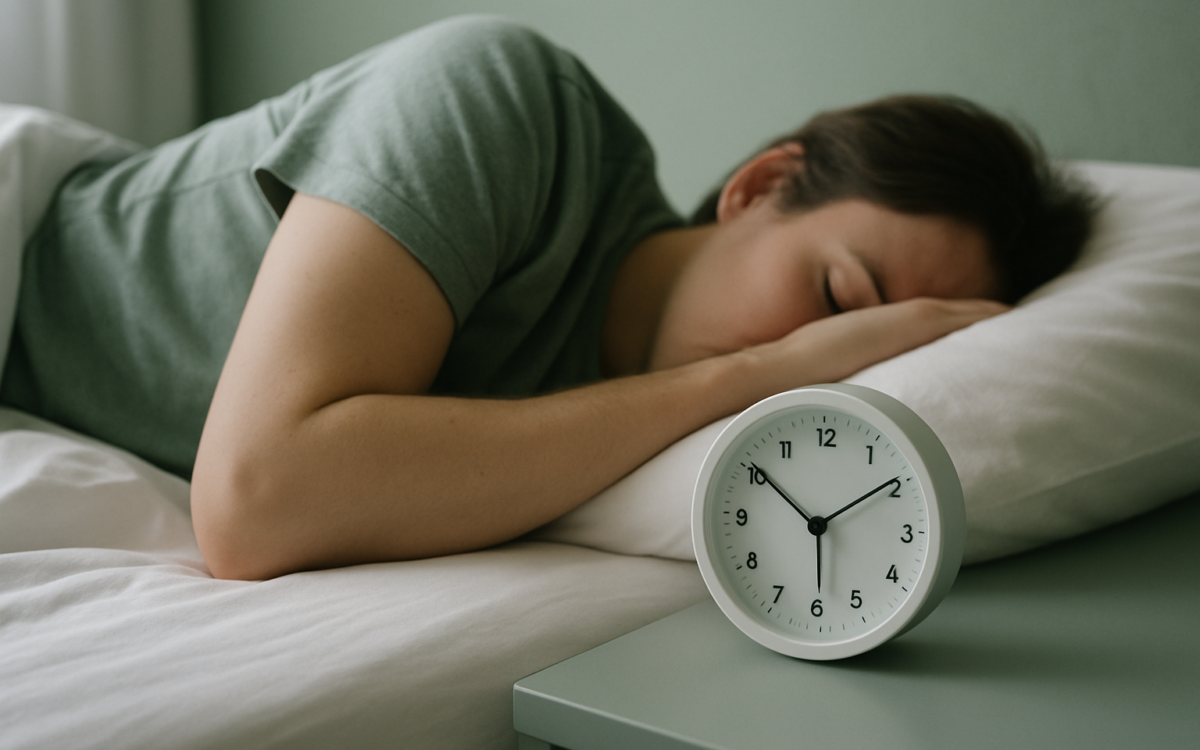
In our fast-paced world, many of us struggle to fit everything into our days, including sleep. With busy schedules and endless to-do lists, seven hours of sleep might feel like a victory. But is it really enough for our health? The answer isn’t simply yes or no; it depends on various factors that influence our sleep needs.
The Science Behind Sleep Duration
Sleep is essential for physical health, mental well-being, and overall quality of life. According to the National Sleep Foundation, adults typically need between 7 to 9 hours of sleep each night to function properly. But why is this range so important?
During sleep, our bodies go through several cycles where they repair tissues, build bone and muscle, and strengthen the immune system. Not getting enough sleep can interfere with these processes, potentially leading to health issues. Recent studies suggest that insufficient sleep is linked to weight gain, diabetes, cardiovascular problems, and even depression.
Individual Needs Vary
While seven hours is within the recommended range, individual sleep needs can vary significantly. Factors such as age, lifestyle, and genetic makeup all play a role. For example:
- Age: Teenagers and young adults often require more sleep (8-10 hours) compared to older adults, who may function well with 6-8 hours.
- Activity Level: Those who engage in high levels of physical or mental activity may need more rest to recover.
- Health Conditions: Certain conditions, like anxiety or chronic pain, might increase your need for sleep.
Pay attention to how you feel after different amounts of sleep. If you consistently feel tired after seven hours, you might need to adjust your schedule.
The Quality of Sleep Matters
It’s important to distinguish between sleep quantity and quality. Even if you clock in seven hours, the quality of that sleep matters enormously. Factors such as how long it takes to fall asleep, the number of times you wake during the night, and how rested you feel in the morning can all impact how restorative your sleep is.
Good quality sleep entails going through all sleep cycles multiple times, including both REM (rapid eye movement) and deep sleep. Interruptions can lead to feelings of fatigue, irritability, and decreased cognitive function. To improve sleep quality, consider creating a calming bedtime routine, managing stress, or limiting screen time before bed.
When Seven Hours Might Not Be Enough
Despite seven hours being within the general recommendation, it may not suffice for everyone. Here are some situations in which seven hours might fall short:
- Sleep Disorders: Conditions such as sleep apnea or insomnia can disrupt the sleep cycle, resulting in lower sleep efficacy.
- Chronic Stress: Ongoing stress can lead to difficulties in falling or staying asleep, diminishing sleep satisfaction.
- Life Changes: Pregnancy, menopause, or recovering from illness can change sleep requirements.
If you find yourself consistently tired or relying on caffeine to function, it may be worth re-evaluating your sleep duration and quality.
Creating a Sleep-Friendly Environment
Improving your chances of getting restorative sleep begins with your environment. Here are some practical steps:
- Darken the Room: Use blackout curtains to minimize light exposure.
- Manage Noise: Consider white noise machines or earplugs to mask disruptive sounds.
- Comfortable Bedding: Invest in a comfy mattress and pillows that suit your sleeping style.
- Regulate Temperature: Keep your bedroom at a cooler temperature, around 60-67°F (15-19°C), to promote better sleep.
These changes can help enhance the overall quality of your sleep, making those seven hours count for more.
When to See a Doctor
If you frequently struggle with sleep, experience excessive daytime sleepiness, or have noticed significant changes in your sleep patterns, it may be time to consult a healthcare provider. They can help diagnose any underlying issues and offer strategies to improve your sleep. You can find more information at reliable sources such as the National Library of Medicine or the World Health Organization.
Conclusion
In summary, while seven hours of sleep is often viewed as enough rest for the average adult, individual needs can vary significantly. It’s essential to consider both the quantity and quality of sleep, alongside personal health, age, and lifestyle factors. Paying attention to how you feel will guide you in finding the right balance for your health. If unsure, don’t hesitate to reach out to a healthcare provider for personalized advice.
