
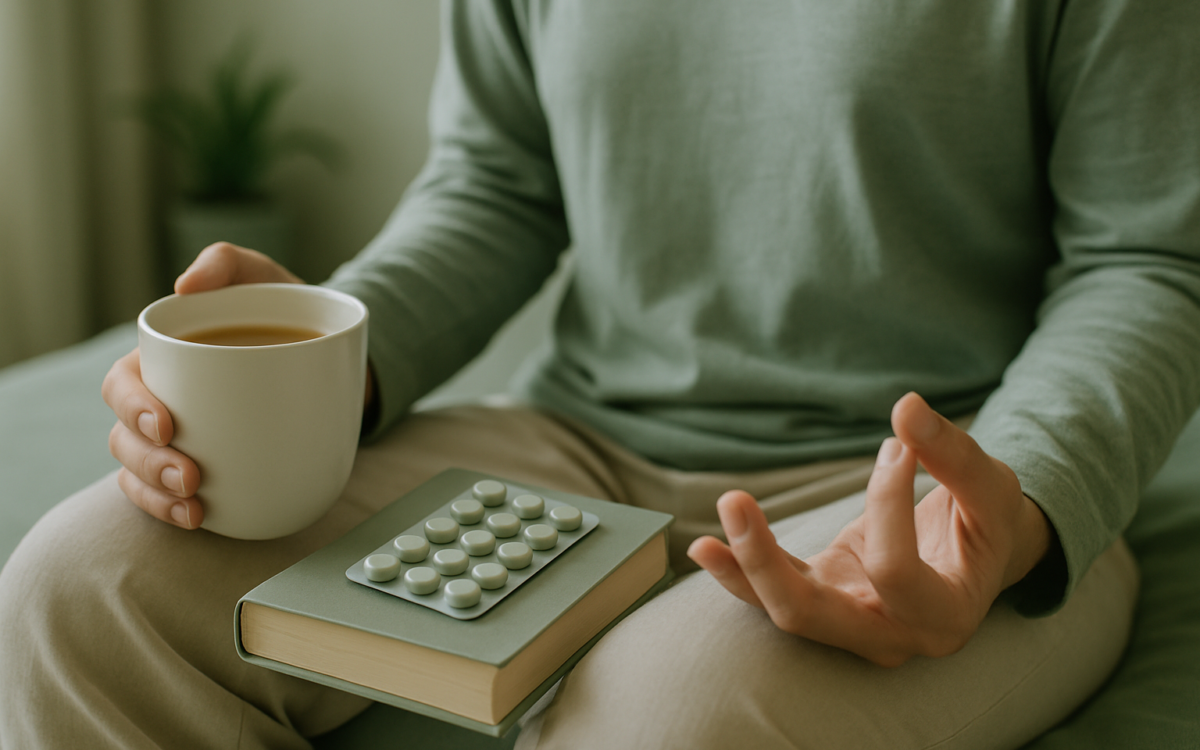
In today’s fast-paced world, stress and anxiety can feel like constant companions. High expectations, busy schedules, and overwhelming situations often leave us anxious and drained. However, there are numerous strategies you can employ to reduce stress and anxiety, helping you to lead a more fulfilling life. Let’s explore some effective techniques that can bring you peace of mind.
Understanding Stress and Anxiety
Before diving into strategies for relief, it’s essential to understand what stress and anxiety are. Stress is the body’s natural reaction to pressure, whether from work, relationships, or responsibility. Anxiety, on the other hand, is a feeling of fear or apprehension about what’s to come, often exaggerated beyond the actual threat.
According to the National Institute of Mental Health, anxiety disorders are among the most common mental health issues in the U.S. It’s perfectly normal to feel stress or anxiety occasionally, but when these feelings become persistent and overwhelming, it’s crucial to take action.
Exercise Regularly
One of the most effective ways to reduce stress and anxiety is through regular physical activity. Exercise releases endorphins, known as the body’s natural mood lifters. Whether it’s a brisk walk, a dance class, or weightlifting at the gym, find an activity you enjoy.
Studies have shown that even moderate exercise can significantly reduce symptoms of anxiety and depression. Aim for at least 30 minutes of activity most days of the week. You don’t have to do it all at once; several short sessions throughout the day can also be beneficial.
Embrace Mindfulness and Meditation
Mindfulness and meditation can be powerful tools for combating stress and anxiety. These practices involve focusing your mind on the present moment, helping to quiet racing thoughts and promote a sense of calm.
- Mindfulness: This can be practiced through everyday activities. For example, pay attention to your breathing while walking or while eating, noticing the sensations and flavors.
- Meditation: Even a few minutes a day can make a difference. Apps like Headspace or Calm can guide you through simple practices.
The National Institutes of Health suggests that mindfulness meditation can help reduce anxiety levels and improve emotional well-being.
Develop Healthy Eating Habits
Your diet can significantly influence how you feel. Certain foods can help reduce anxiety and improve mood. Consider incorporating the following:
- Fruits and vegetables: They are loaded with vitamins and minerals that promote mental clarity.
- Whole grains: Foods like oats, brown rice, and whole-grain bread can stabilize blood sugar, reducing mood swings.
- Omega-3 fatty acids: Found in fish like salmon, these fats can improve brain health and mood.
Conversely, limit caffeine and sugar intake, which can exacerbate anxiety. Staying hydrated and maintaining a balanced diet can help you feel more energetic and less anxious.
Connect with Others
Building and maintaining strong relationships can serve as a buffer against anxiety. Talking to friends or family about your feelings can provide comfort and support. Here are some ways to connect:
- Join a group: Look for local clubs or online communities with shared interests.
- Volunteer: Helping others can lift your spirits and connect you to your community.
- Stay in touch: Regularly check in on loved ones, even with a quick text or call.
Social connections can have a profound impact on your mental health. According to the World Health Organization, social support and interactions can significantly reduce stress levels.
Prioritize Sleep
Quality sleep is crucial for managing stress. Lack of sleep can heighten feelings of anxiety. To improve your sleep hygiene, consider the following tips:
- Stick to a schedule: Go to bed and wake up at the same time every day.
- Create a relaxing bedtime routine: Activities such as reading, taking a warm bath, or practicing relaxation exercises can help signal to your body that it’s time to wind down.
- Limit screen time: The blue light emitted from phones and computers can disrupt your sleep. Try to turn off devices at least an hour before bed.
The Centers for Disease Control and Prevention recommends that adults aim for 7 or more hours of quality sleep each night to maintain optimal health.
Practice Self-Care
Self-care is an essential aspect of stress management. It means taking the time to do things that make you happy and recharge your batteries. Self-care can look different for everyone, but here are some ideas:
- Engage in hobbies you love: Whether it’s painting, gardening, or playing a musical instrument, creative expression can be very therapeutic.
- Spend time in nature: Nature has a profound impact on reducing stress levels. Try to take walks in your local park or spend weekends hiking.
- Limit your commitments: It’s okay to say no. Prioritize your mental health and avoid overcommitting yourself.
Remember that self-care isn’t selfish; it’s necessary for maintaining your overall well-being.
When to See a Doctor
If you find that stress and anxiety are overwhelming and impact your daily life, it may be time to seek professional help. A healthcare provider can offer guidance tailored to your needs and may suggest therapies, counseling, or medications if necessary.
Conclusion
Life can be stressful, but you have the power to take steps that can minimize anxiety and improve your overall well-being. By incorporating exercise, mindfulness, healthy eating, social connections, quality sleep, and self-care into your daily routine, you can create a more balanced life. Remember, if your feelings of stress and anxiety persist or worsen, don’t hesitate to reach out to a healthcare professional for support.
