
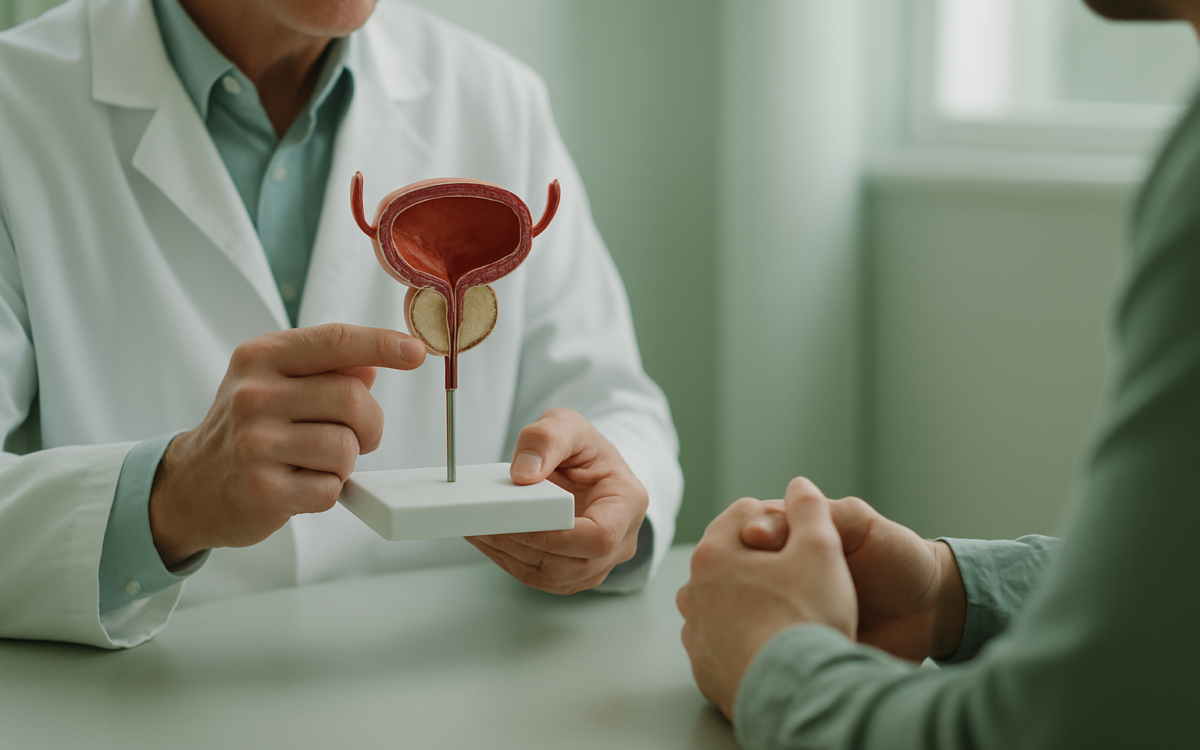
The prostate is a small, walnut-sized gland located below the bladder and in front of the rectum in men. Despite its size, the prostate plays a crucial role in the male reproductive system. Understanding what the prostate does, its common health issues, and when to seek medical attention can empower men to take charge of their health.
What Is the Prostate and Its Functions?
The prostate gland has several important functions related to male reproductive health. Its primary role is to produce fluid that nourishes and transports sperm. This fluid, known as seminal fluid, is an essential component of semen.
When a man ejaculates, the prostate contracts to release this fluid, contributing to the overall volume of semen. The prostate also plays a role in hormone regulation, as it is influenced by testosterone. Moreover, it contributes to urinary health by surrounding the urethra, the tube that carries urine from the bladder.
Common Prostate Health Issues
Like any organ, the prostate can experience various health issues. Some common problems include:
- Benign Prostatic Hyperplasia (BPH): BPH is a non-cancerous enlargement of the prostate that affects many older men. It can lead to urinary problems, such as difficulty starting urination or a frequent need to urinate at night.
- Prostatitis: This condition involves inflammation of the prostate, which can cause pain and urinary difficulties. Prostatitis can be acute (sudden onset) or chronic (long-lasting), and it may be due to bacterial infections or other factors.
- Prostate Cancer: Prostate cancer is one of the most common cancers among men. Risk factors include age, family history, and race. Regular screenings and early detection are crucial for successful treatment.
Prostate Cancer: What You Should Know
Prostate cancer often has no early symptoms, which is why regular screenings are recommended for men, especially those over the age of 50 or with risk factors. Symptoms may include:
- Difficulties with urination, such as a weak stream or blood in the urine.
- Painful ejaculation.
- Pain in the lower back, hips, or pelvic area.
If detected early, prostate cancer can often be treated effectively. Screenings may involve prostate-specific antigen (PSA) tests or digital rectal exams (DRE). It is important to discuss your individual risk factors with your healthcare provider to determine the best screening schedule.
Maintaining Prostate Health
Maintaining prostate health is vital for overall wellbeing. Here are some tips that may help promote a healthy prostate:
- Stay Active: Regular exercise can improve blood flow and hormone levels, which is beneficial for prostate health.
- Eat a Balanced Diet: A diet rich in fruits, vegetables, whole grains, and healthy fats may lower the risk of prostate problems. Foods like tomatoes (which contain lycopene) and cruciferous vegetables may be particularly beneficial.
- Stay Hydrated: Drinking plenty of water is vital for urinary health and can help reduce the risk of urinary tract infections.
- Limit Alcohol and Tobacco: Reducing alcohol consumption and quitting smoking can improve overall health and may reduce cancer risk.
When to See a Doctor
It’s important to have regular check-ups with your healthcare provider, especially as you age. If you experience any of the following symptoms, consider scheduling an appointment:
- Difficulty urinating or a noticeable change in urinary habits.
- Blood in urine or semen.
- Painful ejaculation or persistent pain in the pelvic area.
- Unexplained weight loss or fatigue.
These symptoms may be related to prostate issues but can also indicate other health problems. Consulting with a healthcare professional is the best way to get accurate information and appropriate care. Regular screenings and discussions about prostate health can lead to early detection of potential issues.
Conclusion
The prostate is a small but essential component of male reproductive health. Understanding its functions, potential health issues, and preventive measures can enhance men’s health and wellbeing. Stay informed, maintain a healthy lifestyle, and don’t hesitate to consult with your doctor regarding any concerns related to your prostate health. For more information on prostate health, consider visiting reputable medical sources like the NIH or the Mayo Clinic.
