
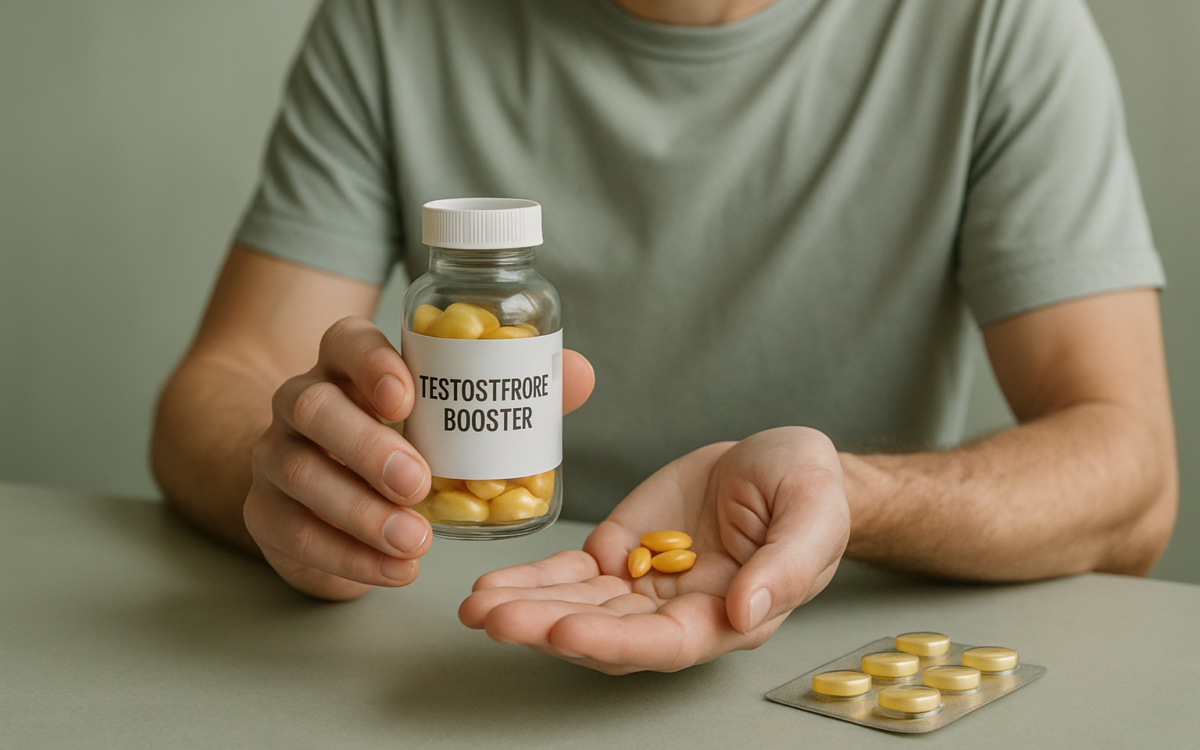
Low testosterone levels can affect mood, energy, and overall health in men. With this awareness, many look to testosterone boosters, hoping these supplements may offer a solution. But how effective are they? This article delves into the effectiveness of testosterone boosters, their mechanisms, potential risks, and what to consider before using them.
What Are Testosterone Boosters?
Testosterone boosters refer to a variety of supplements designed to increase testosterone levels in the body. They are marketed as natural or dietary supplements and can come in the form of pills, powders, or herbal products. The ingredients can range from vitamins and minerals to herbal extracts. Some common ingredients include:
- Zinc
- Asparagus racemosus (Shatavari)
- D-Aspartic acid
- Fenugreek
How Do They Work?
Testosterone boosters are believed to work by various mechanisms. Some ingredients might indirectly stimulate the production of testosterone or help in maintaining existing levels. Others may enhance libido, improve muscle mass, or boost overall vitality. However, while many of these supplements claim to naturally raise testosterone, scientific backing varies significantly.
Ingredient Insights
Research shows mixed results regarding the effectiveness of certain ingredients. For instance, a study published in the Journal of Clinical Endocrinology & Metabolism found that D-Aspartic acid could elevate testosterone levels temporarily in certain men, particularly those with low baseline levels. However, this does not mean it will work for everyone.
Are They Effective?
The effectiveness of testosterone boosters is a topic of considerable debate. Some users report positive outcomes, such as increased energy and libido, but studies have not universally supported these claims. A review in The American Journal of Clinical Nutrition summarized various studies on testosterone supplements and noted that while some individuals experienced increased testosterone levels, many did not see a significant change. The variability in individual response raises questions about who might benefit from testosterone boosters.
Potential Risks
Even when testosterone boosters are derived from natural sources, they can pose risks. Some possible side effects include:
- Weight gain
- Sleep disturbances
- Acne or oily skin
- Mood changes such as irritability
- Increased red blood cell count, which may lead to a higher risk of blood clots
Moreover, many testosterone boosters are not strictly regulated by the Food and Drug Administration (FDA). This means that the quality and purity of these supplements can vary widely. Always consult a healthcare professional before starting any supplement regimen.
Natural Ways to Boost Testosterone
For those looking to improve testosterone levels without relying solely on supplements, there are several lifestyle changes that can be beneficial. Some natural methods include:
- Regular exercise: Engaging in a mix of aerobic and strength training can help to raise testosterone levels.
- Healthy diet: Eating a balanced diet rich in whole foods, healthy fats, and lean proteins supports hormone regulation.
- Sleep well: Quality sleep is crucial for hormone production, including testosterone.
- Managing stress: High stress levels can lead to elevated cortisol, which may negatively affect testosterone production.
When to See a Doctor
If you’re experiencing symptoms of low testosterone, such as fatigue, depression, or significant changes in libido, it’s essential to consult a healthcare provider. They can conduct appropriate tests to determine your hormone levels. Self-diagnosing and treating low testosterone can be inadequate and potentially harmful.
Conclusion
While testosterone boosters may sound appealing, their actual effectiveness is inconsistent and varies by individual. Many men may benefit more from lifestyle changes rather than supplements. It’s crucial to consult a medical professional before considering testosterone boosters or any hormonal therapies. Prioritizing a healthy lifestyle is a proactive way to support your well-being and hormonal health.
